





Looking for More? Read Industry Associations: The Heartbeat of Fleet Management
How SGFMA is Working to Bridge the Fleet Information Gap
The Southeast Governmental Fleet Managers Association is working to fill informational gaps, especially for fleet managers who may not have previously had access to outside resources within their region.
May 28, 2024
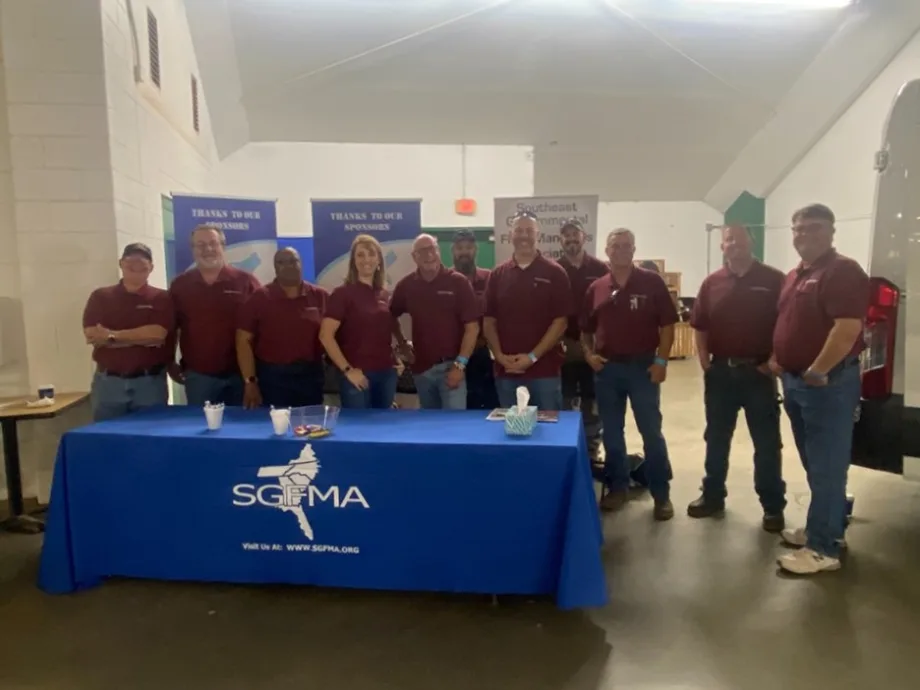
SGFMA was initially created for South Carolina fleets, but expanded to include the entire Southeast.
Photo: SGFMA
3 min to read
Fleet management is constantly evolving, and government agencies at all levels are finding it crucial to access new information and resources to bring back to their operations. The Southeast Governmental Fleet Managers Association (SGFMA) has been trying to help fill informational gaps, especially for fleet managers who may not have previously had access to outside resources within their region. The organization hopes to do this by connecting fleet managers across the southeastern United States, a mission three decades in the making.
The Need for Collaboration Across Fleets
SGFMA started as a partnership between the South Carolina Department of Health and Environmental Control and the South Carolina State Fleet Maintenance. These organizations saw the benefits of pooling resources and created an association to share information and provide training for technicians.
"They decided to get together and create this association to better share information and help with the training of our mechanics," said Sheila James, SGFMA vice president and SCDOT District 6 asst. district mechanical engineer.
Originally focused on South Carolina, SGFMA expanded about 15 years ago to include other southeastern states, reflecting this broader scope in its name. This regional approach has allowed SGFMA to offer more support and training to a wider network of fleet managers and technicians.
Part of SGFMA’s collaborative initiative is within its annual equipment show and conference, which provides a platform to showcase the latest in fleet management technology and offer attendees valuable training sessions.
According to James, making educational sessions available to fleets has been an important part of helping individuals deal with challenges like new EPA standards and the integration of advanced computer systems in fleet vehicles. Sometimes it was simply helping operators to understand what the lights on their dash meant.
“It’s about educating our folks to have a better understanding of what their systems do, and what their systems mean,” James said. “It’s about talking through some of those problems and, finding ways to help each other through all that.”
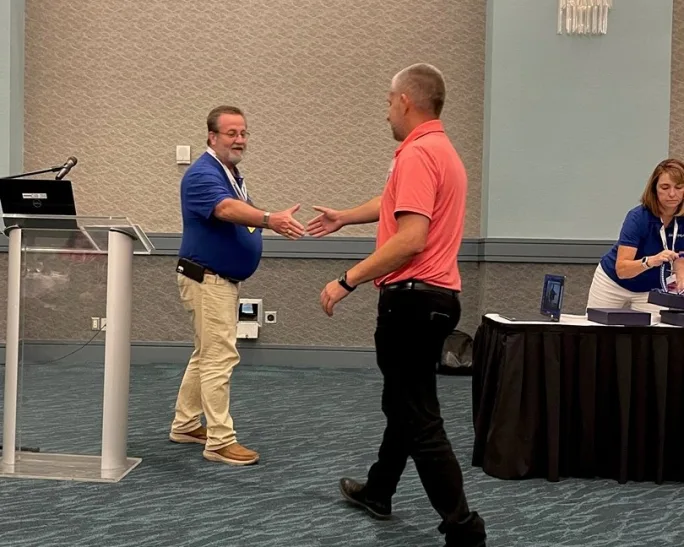
The association has grown to over 950 members, which include fleet and public works managers, supervisors, purchasing and support personnel.
Photo: SGFMA
Another key area of the organization and the conference was introducing new certification opportunities.
"This year, we're doing mobile HVAC certifications at our conference," James noted.
Ongoing Training and Professional Development
An extension of SGFMA's training efforts extends beyond the annual conference. Joseph Stone, fleet services manager for Anderson County, South Carolina, and SGFMA president, emphasized the importance of year-round professional development.
"We organize training events hosted in various places and do a lot for people online," he said, adding that this ensures fleet managers and technicians stay current with industry advancements.
Additionally, the association has recognized the need for networking within the fleet industry. This goes beyond the annual conference and connecting people within the same region for help.
"The big advantage is the ability to reach out to somebody in your area and be able to talk about your problems, not just at the show, but throughout the year," Stone explained.
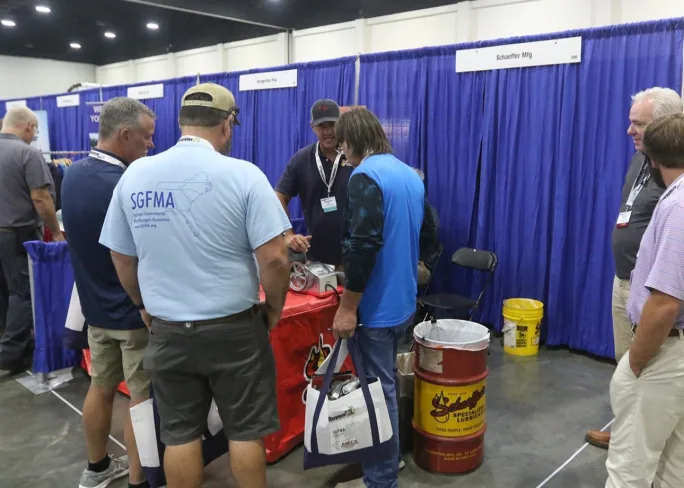
The SGFMA Annual Meeting and Equipment Show will be held September 15 – 18, 2024 in Myrtle Beach, South Carolina.
Photo: SGFMA
Problem Solving in a Fast-Paced Fleet World
For Stone and the other SGFMA leaders, the mission is to be a hub for exchanging ideas and solutions. By connecting fleet managers from different regions, the association is working to tackle common challenges together.
James added that this collaborative approach was particularly helpful during the procurement difficulties following COVID-19. She explained how SGFMA members exchanged strategies to adapt to new procurement processes, ensuring government entities remained competitive.
Connecting members with vendors and manufacturers is initiative. Regular interactions during conferences and training events are meant to foster strong relationships, making it easier to address specific issues.
"It gives us an opportunity as fleet managers to talk to them one-on-one," Stone said, highlighting the value of these direct communications.
Filling a Regional Need for Continued Information
Director at Large 4 Rick Longobart noted that they're wanting to do more for public sector fleets east of the Mississippi River. As the Raleigh, North Carolina, fleet operations manager put it, it’s about sharing information, education, and training.
"There's a big void, and I think what this organization offers is crucial," he said.
Topics:Operations
More Operations
Who Deserves Fleet Recognition and What Could You Teach at GFX?
Who helped shape your fleet career, and what have you learned that could help someone else?
Read More →
What’s Haunting Public Sector Fleets?
Public sector fleet challenges rarely happen in isolation, and addressing one often means understanding how it connects to another.
Read More →
Is Keeping Older Fleet Vehicles Really Saving Money?
Is keeping vehicles longer saving money, and what happens when a diagnostic test points to the wrong fix?
Read More →
How Smart Fleet Strategy Can Help Local Government Agencies Do More with Less
Keeping a vehicle longer may ease this year’s budget, but what does it cost the next one? A closer look at fleet decisions can reveal opportunities to reduce spending while protecting essential services.
Read More →
Connect with Government Fleet on LinkedIn
From industry news and fleet management strategies to conversations with peers, Government Fleet's LinkedIn page offers public-sector fleet professionals another way to stay informed and connected.
Read More →
Town of Queen Creek Named Most Successful Fleet Award Winner of Inaugural RTA Fleet Success Awards
Five fleets were honored at RTA Connect 2026 in Chicago for excellence across resource efficiency, intentional culture, risk management, and stakeholder satisfaction.
Read More →
Sponsored•October 14, 2026
A buyer's guide to fleet management software in 2027
Buying fleet management software in 2027 means looking beyond features and price. As fleet operations, technology and expectations evolve, this guide explores what today’s fleet professionals should consider when choosing a system that can deliver value now and adapt to what comes next.
Read More →
Hazard Alerts, Fleet Car Sales Rise and a New Shuttle Concept
Fleet car sales doubled, but the bigger picture tells a different story in this week’s roundup.
Read More →
How St. Johns County Turned Fleet Data Into Better Replacement Decisions
St. Johns County, Florida, had fleet data, but turning it into reliable decision guidance was another matter. Instead of starting over with a new fleet management system, the county connected existing tools and built a scoring system that gives managers an objective look at fleet health.
Read More →
Fleet Forward Conference Introduces One-Day Passes for 2026
New one-day registration lets fleet professionals attend Tuesday, Wednesday, or Thursday, with passes available for $249.
Read More →