




About the Author:Tramico Herman is author of The Crux Of Care Management: Steps to Managed Care and Patient-Centric Service Excellence for Leaders and is known as a compassionate health-care executive and transformational leader in care management and health-care disparities. She holds an MBA in project management and became an executive consultant for various Fortune 100 health plans and providers
How Leaders Can Build a Culture of Accountability
A company’s success is attributable to many factors, but for businesses built to thrive over the long term, accountability is essential.
by Tramico Herman
October 12, 2022
Effective leadership is about getting team members to be accountable and take ownership.
Photo: Fauxels
4 min to read
Accountability is about taking responsibility for one’s actions. It’s difficult to develop a high-performing team if accountability is lacking, because little gets done when no one takes ownership for addressing issues and solving problems. One person’s missed deadline becomes the team’s delay, and mistakes that are tolerated become the dysfunctional norm. The team and the company suffer.
Effective leadership is about getting team members to be accountable and take ownership, and it goes hand in hand with leaders promoting autonomy among workers. With employee engagement a problem, companies trying to increase accountability alone can create a culture of micromanagement that leads to unhappy workers who will leave. But focusing instead on creating a culture of autonomy can increase employee engagement and ownership of their work. Employees who feel a high sense of ownership are more productive because they take pride in their work, and such a culture produces a domino effect that leads to consistently good results.
Here are some challenges leaders face that prevent them from promoting team autonomy and accountability, and what they can do overcome those challenges:
Stress, Leading to Micromanaging
A micromanaged staff is ineffective and results in passive-aggressive behavior, feelings of incompetence, stress, and an overall unhealthy working enviroment. The inability to delegate work and empower team members to act with autonomy is one of the quickest ways to alienate them.
Micromanaging happens often when leaders are under pressure, already saddled with demands and expectations. When they feel like they don’t have a good handle on things, they tighten their grip on everything, often killing creativity and confidence, and driving down performance. That causes tension and mental instability for their team and themselves.
Tip for leaders: Do a self-check on your mood. Evaluate your stress level and identify triggers such as competing deadlines, correcting mistakes you did not make, and accommodating others’ work styles. Resolve as best you can.
Not Knowing Your Team
If leaders don’t make the effort to know their teams, a lack of trust between them results. In that case it’s unsurprising if you aren’t comfortable giving them more freedom.
Tips for leaders:
Meet with team members regularly, individually and as a group, and really listen to them. Treat them like an extended family. Advocate for them and serve as a guide. Set clear expectations but also be flexible and willing to hear them out when mistakes happen. Make modifications to processes if necessary. Doing so will show them you do listen and that their input matters.
Teams take ownership of their mistakes when leaders own up to theirs. By acknowledging their mistakes, leaders can build stronger relationships with team members and create more trust because the employees see the leader as honest and fair.
Lack of Leadership Training
Far too many leaders are unsatisfied in their work and are disengaged. A high number of them aren’t given the critical skills to succeed, which points to inadequate leadership training. Many organizations do not have formal training for managers or senior leaders, and many leaders require proper onboarding, collaboration with other key leaders, ongoing training, mentoring and support.
It needs to be structured with one or more people assigned to you to help get a handle on the current state of things and what is expected. A new leader can’t fix everything on the first day; impacting productivity is a four- or five-month process.
Tip for leaders: Ensure you have what you need to perform your role, especially training that hones in on understanding how your department should run and the alignment of team members. Also, learn effective ways to communicate with stakeholders, teams, external vendors, and other senior leaders.
The benefits of promoting team autonomy and accountability? A strong, cohesive and passionate team is ready for any challenge that comes their way. Why? Because they have a leader who respects and trusts them, solid training to efficiently complete their roles and responsibilities, healthy relationships with one another, and clear expectations of daily tasks so they can take ownership.
Looking for more? Check out Facing Challenges as a Road to Improvement
More Operations

Could Your Next Fleet Technician Start as an Intern?
What if your next technician hasn’t worked in a fleet shop yet? What fleets are doing to free up time.
Read More →
What’s Slowing Your Fleet Down?
Could a change in how work gets done help your fleet return vehicles to service sooner?
Read More →
Can Public Fleets Trust the Data Driving Their Decisions?
Public fleets have more data than ever, but inconsistent records and missing information can still undermine maintenance, replacement, and cost decisions.
Read More →
How Phoenix Is Building Its Next Generation of Fleet Technicians
With more than 8,000 vehicles and pieces of equipment to maintain, the City of Phoenix could not afford to wait for fully trained technicians to walk through the door. Instead, they revamped their entire workforce strategy and showed how public fleets can create their own talent pipeline while preparing existing employees for increasingly complex vehicles.
Read More →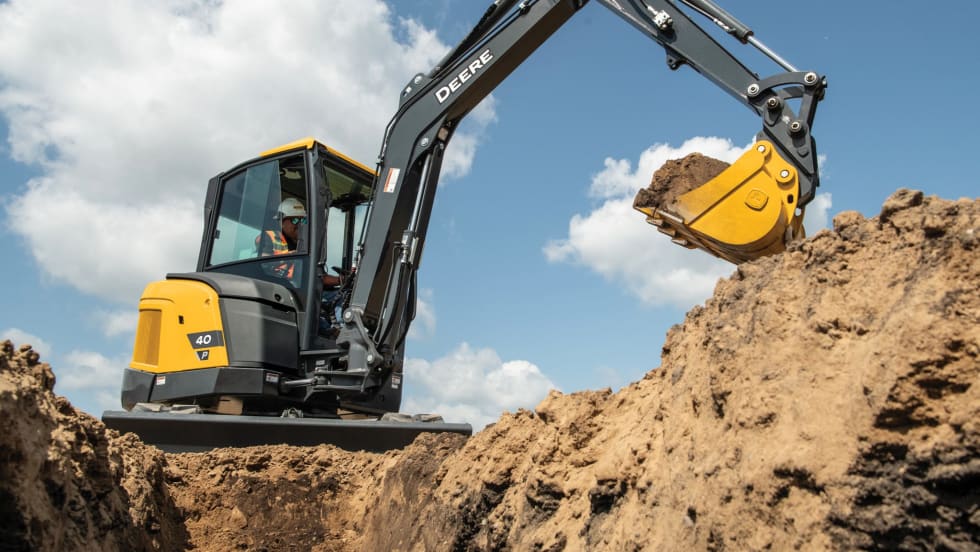
John Deere Introduces 40 P-Tier Compact Excavator
John Deere is adding a compact excavator designed for crews that need to move equipment between jobsites and handle multiple types of work with one machine. The 40 P-Tier weighs less than 10,000 pounds and offers configurable hydraulics, attachment options, and connected fleet-management capabilities.
Read More →
How Leading Fleets Improve and Why Business Plans Matter
This week, we look at what past Leading Fleet winners can teach us about making progress, plus how to build a business plan your fleet will actually use.
Read More →
Nominate a Fleet Leader for the 2027 Public Fleet Hall of Fame
Do you know a fleet leader who has made a lasting impact on the industry? Nominate this fleet professional for the 2027 Public Fleet Hall of Fame.
Read More →
Why Fleet Business Plans Need Three Perspectives
A fleet business plan should help agency leaders understand the fleet’s value, give the organization a clear direction, and establish shared expectations with customer departments.
Read More →
How Oil Analysis, Safety Technology, and Fleet Awards Drive Improvement
What happens when fleets let measured results guide their next decision?
Read More →
Emergency Response, Fleet Sales and New Technology
This week’s fleet news covers emergency preparedness, shifting vehicle sales, electric truck investments, and new tools for monitoring road conditions.
Read More →