Houston Fire Department Navigating Supply Chain Hurdles with Fleet Replacements
The department has been playing catch-up to bring its average fleet vehicle age down over the last several years.
Christy Grimes・Former Senior Editor
September 11, 2023
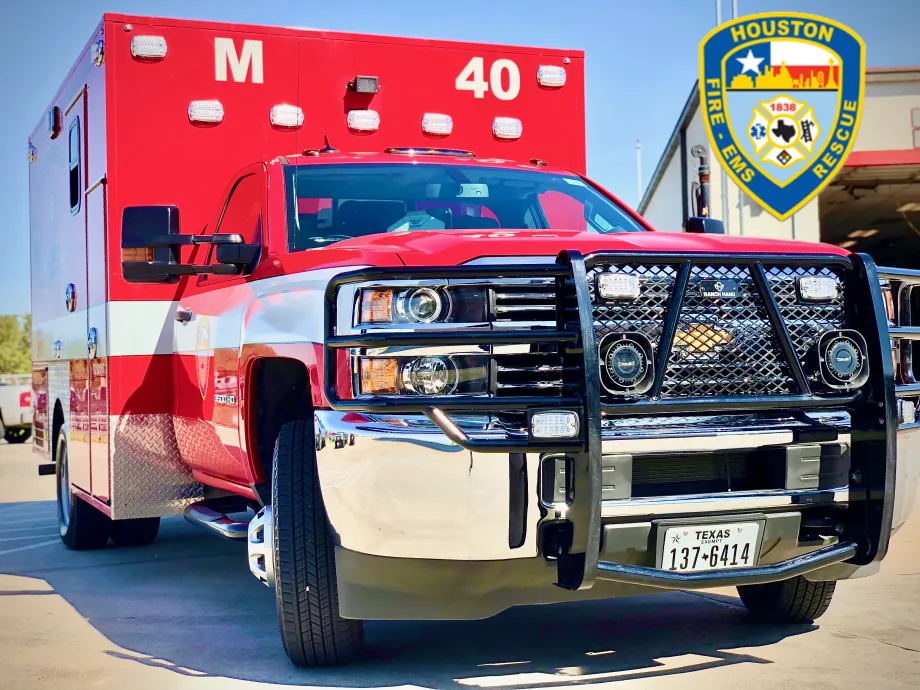
During the 2024 fiscal year, the Houston Fire Department plans to acquire 16 transport units, 7 engines, and 3 ladder trucks.
Photo: Houston Fire Department
2 min to read
Much-needed new fleet vehicles are coming to the Houston, Texas, Fire Department but the department has faced a few hurdles in its fleet replacement process over the last several years.
Houston Mayor Sylvester Turner and the City Council recently approved an ordinance to authorize an appropriation of over $32 million dollars to replace aging vehicles and equipment for various city departments, including the Houston Fire Department.
Ad Loading...
During the 2024 Fiscal Year, the fire department plans to acquire:
16 transport units.
7 engines.
3 ladder trucks.
While the approved purchases are part of a regular annual fleet acquisition, the vehicles will be much needed replacements. The vehicle purchases are part of an ongoing effort to replace aging fleet vehicles. Fire Department spokesperson Martee Black told Government Fleet that the fire chief has been working to replace vehicles over the last six years.
The Houston Fire Department has 103 frontline transport units, 88 engines, and 38 ladder/tower trucks.
Managing Economic Roadblocks and the Supply Chain Crisis
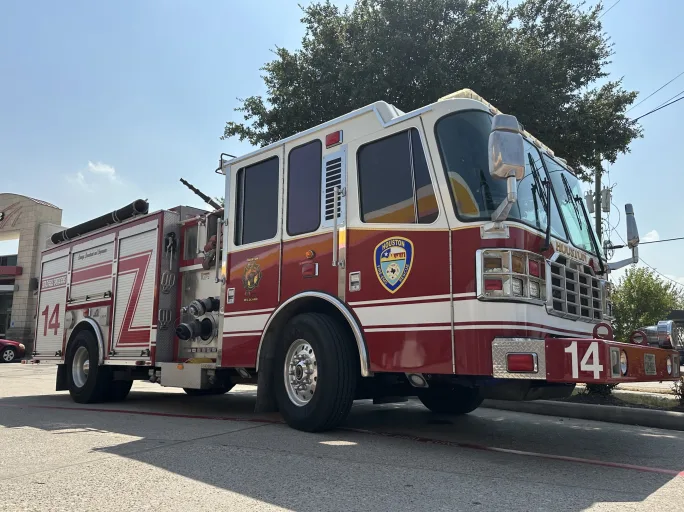
Delivery dates for new fire engines have been delayed to 18 months, dependent on the manufacturer, according to a Houston Fire Department spokesperson.
Photo: Houston Fire Department
Black said that in around 2000, a large one-time fleet purchase was made. When those vehicles reached the end of their lifecycle, economic conditions did not allow replacements to be purchased in the volume necessary, causing some vehicles to be pushed past the recommended life of the vehicle.
In recent years, the department has experienced the effects of the supply chain crisis, with delayed or canceled vehicle orders. Now, the department is also seeing challenges with heavy fire apparatus orders.
Pre-pandemic, engines and pumpers were on a 12-month delivery schedule, while aerial devices were on a 12- to 16-month delivery schedule. Currently, delivery dates have been delayed to an estimated 18 months on engines, and up to three years for aerials, dependent on the manufacturer.
Fire departments across the country are experiencing the same delivery delays for vehicles. In some cases, fleet managers have shared with Government Fleet that they push fire trucks and other vehicles past their recommended lifecycle while waiting for new ones, like Houston Fire Department is doing. In other cases, fire departments have turned to used vehicles when necessary.
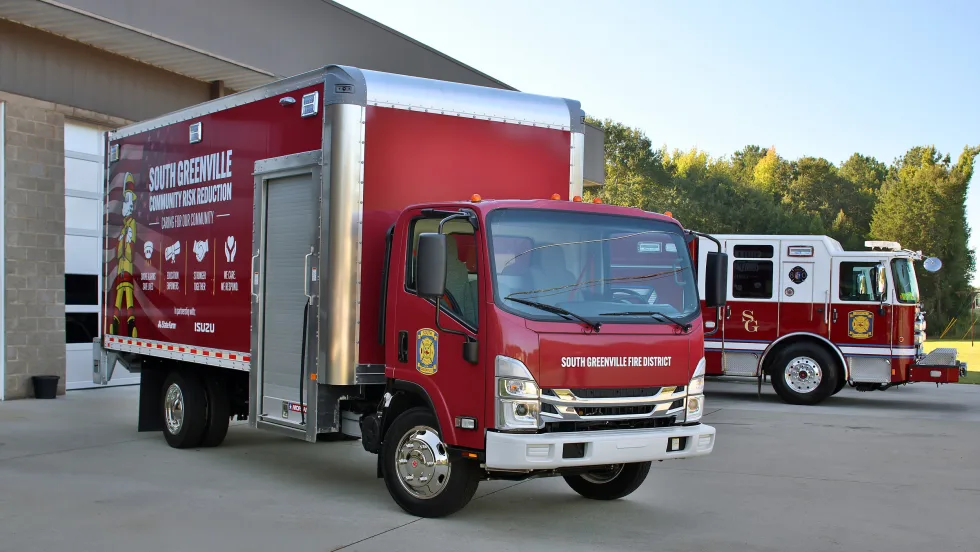
Isuzu NRR equipped with Morgan truck body and PALFINGER liftgate will help support fire safety education, community engagement and outreach programs throughout Southern Greenville County.
A new proclamation signed by President Trump imposes a 25% tariff on imported passenger vehicles and key auto parts, citing national security concerns.
The municipality will deploy two W4 CC electric work trucks for trash and recycling can switch-outs, enhancing the efficiency of its waste management services.
When vehicles become harder to acquire, fleet managers must balance keeping vehicles on the road longer while managing the escalating operating costs of older vehicles.
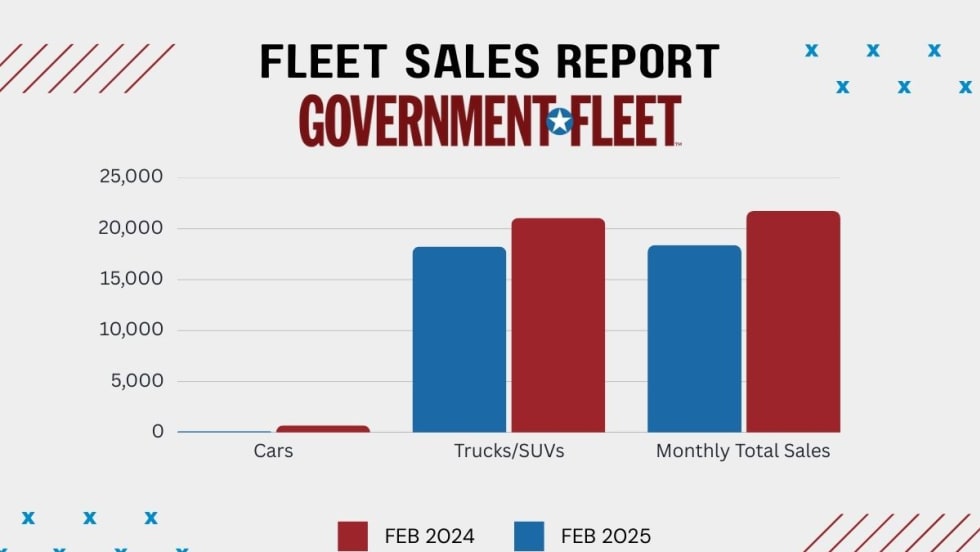
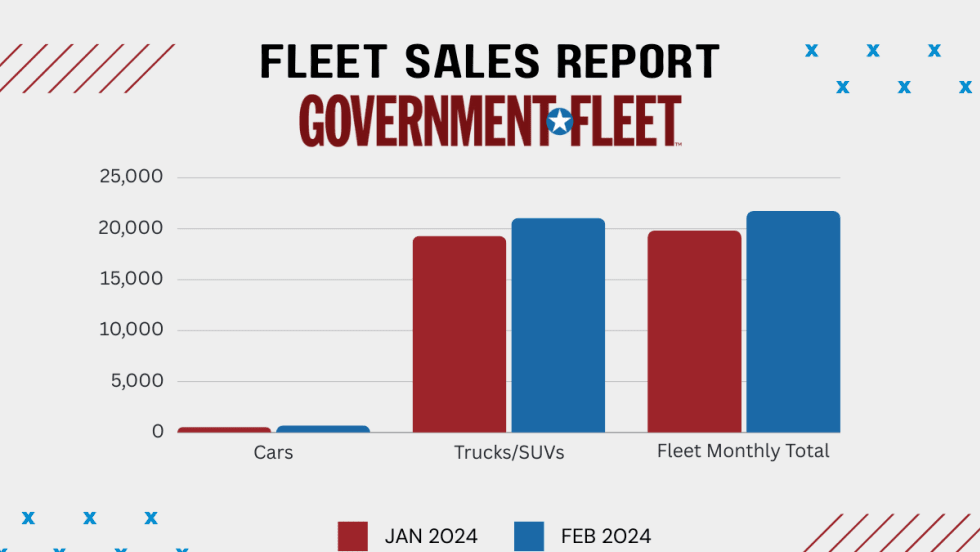
Government vehicle sales continue to rise into 2024 with both car and truck/SUV sales climbing between January and February of 2024, according to Bobit/Government Fleet sales data released March 2.
Government Fleet asked the Big 3 how their operations have been in the weeks since the UAW strike ended, with new contracts ratified. Plus, automakers address concerns about vehicle delivery delays.