




Hilton Head Plans to Update Fire Truck Fleet
HILTON HEAD, SC – The fleet of aging water-pumping trucks Hilton Head Island in South Carolina uses to fight fires could be on its way out next year, replaced with brand new vehicles that might include cutting-edge foam-spraying technology.
HILTON HEAD, SC – The fleet of aging water-pumping trucks Hilton Head Island in South Carolina uses to fight fires could be on its way out next year, replaced with brand new vehicles that might include cutting-edge foam-spraying technology, according to the Web site www.islandpacket.com.
The town Fire and Rescue Division is proposing purchasing or leasing 10 new pump trucks to replace its entire nine-truck fleet. The fleet now includes various vehicles that range from 15 to 20 years old, most of which used to belong to the island’s two fire districts before they merged in 1993. With a standardized fleet, firefighters will be able to operate more efficiently and effectively, according to Fire Chief Tom Fieldstead.
Three trucks recently failed to meet standards for pumping capacity during annual tests. While those trucks are being repaired and don’t pose a safety hazard, the tests highlight the need to move quickly to replace the fleet. The trucks could be on the road in 14 months at the earliest.
The town has budgeted $1.296 million for the new trucks. The best option probably will be to lease the trucks for 10 years, Fieldstead said.
One of the features of the new trucks is foam-spraying technology. The town will ask vendors to present cost proposals for outfitting the trucks with compressed foam air technology, according to www.islandpacket.com. The foam uses less water, creates less damage, and makes a burning building safer to enter for firefighters by displacing oxygen in the air without requiring crews to enter deep into a scene.
More Operations

Fleet Forward Conference Introduces One-Day Passes for 2026
New one-day registration lets fleet professionals attend Tuesday, Wednesday, or Thursday, with passes available for $249.
Read More →
ENC Unveils its ZAVIR Medium-Duty Shuttle
Two variants of the concept shuttles were revealed: a low-floor configuration and a high-floor configuration.
Read More →
Could Your Next Fleet Technician Start as an Intern?
What if your next technician hasn’t worked in a fleet shop yet? What fleets are doing to free up time.
Read More →
How Phoenix Is Building Its Next Generation of Fleet Technicians
With more than 8,000 vehicles and pieces of equipment to maintain, the City of Phoenix could not afford to wait for fully trained technicians to walk through the door. Instead, they revamped their entire workforce strategy and showed how public fleets can create their own talent pipeline while preparing existing employees for increasingly complex vehicles.
Read More →
What’s Slowing Your Fleet Down?
Could a change in how work gets done help your fleet return vehicles to service sooner?
Read More →
Can Public Fleets Trust the Data Driving Their Decisions?
Public fleets have more data than ever, but inconsistent records and missing information can still undermine maintenance, replacement, and cost decisions.
Read More →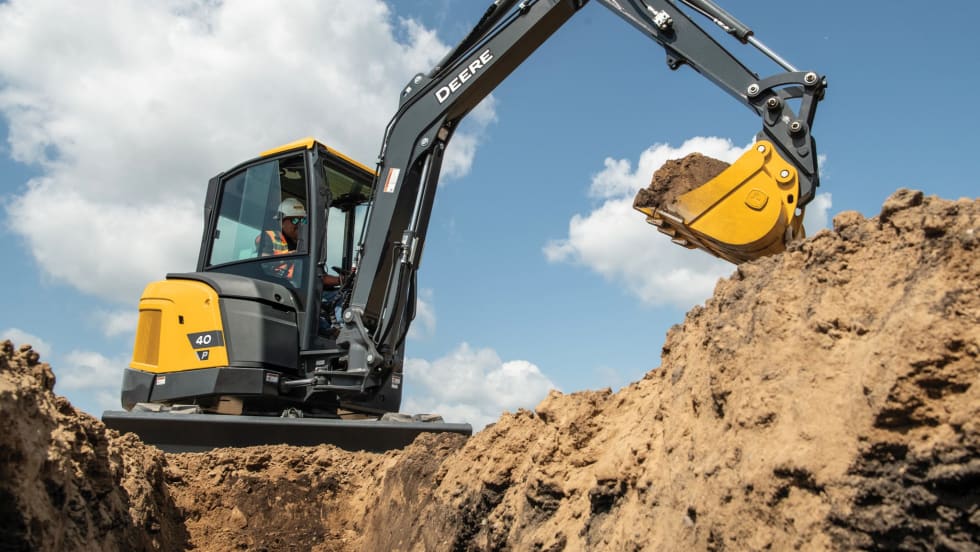
John Deere Introduces 40 P-Tier Compact Excavator
John Deere is adding a compact excavator designed for crews that need to move equipment between jobsites and handle multiple types of work with one machine. The 40 P-Tier weighs less than 10,000 pounds and offers configurable hydraulics, attachment options, and connected fleet-management capabilities.
Read More →
How Leading Fleets Improve and Why Business Plans Matter
This week, we look at what past Leading Fleet winners can teach us about making progress, plus how to build a business plan your fleet will actually use.
Read More →
Nominate a Fleet Leader for the 2027 Public Fleet Hall of Fame
Do you know a fleet leader who has made a lasting impact on the industry? Nominate this fleet professional for the 2027 Public Fleet Hall of Fame.
Read More →
Why Fleet Business Plans Need Three Perspectives
A fleet business plan should help agency leaders understand the fleet’s value, give the organization a clear direction, and establish shared expectations with customer departments.
Read More →