




Grand Jury Report Scolds Los Angeles County for Luxury Fleet Cars
LOS ANGELES – At a time when many Los Angeles County residents are grappling with the squeeze of an economic downturn, dozens of top county government officials are driving luxury vehicles that cost taxpayers as much as $50,000 per vehicle.
LOS ANGELES – At a time when many Los Angeles County residents are grappling with the squeeze of an economic downturn, dozens of top county government officials are driving luxury vehicles that cost taxpayers as much as $50,000 per vehicle, according to www.dailybreeze.com.
More than 1,400 county workers are given take-home cars, even though some don’t have official authorization to drive them, and at least 30 employees aren’t paying the required taxes on the vehicles. Meanwhile, county employees were involved in 1,852 accidents in their take-home vehicles over the past few years - with 830 accidents in 2005-06 alone that cost taxpayers $6.7 million.
The findings are among hundreds outlined in a recently released Grand Jury report that uncovered broad department inconsistencies and lax oversight of the county’s $433 million, 12,780-vehicle fleet.
In the report, jurors identified 51 “unjustified luxury vehicles” costing more than $30,000 each that could be considered “excessive for routine county business.” Twenty of those vehicles were being used by employees in the county’s health department, eight among the Board of Supervisors, seven in the public works department, three for librarians, and 13 in other departments.
Jurors wrote that they also received information that some county departments were purchasing luxury sedans and high-end SUVs for top executives.
The most expensive vehicle identified in the report was a 2007 Acura MDX worth $49,511 that is the take-home vehicle used by Assessor Rick Auerbach. Other expensive vehicles included a 2003 Lincoln LS costing $48,192, a 2007 Toyota Highlander hybrid SUV costing $38,322, and Antonovich’s 2007 Cadillac DTS at $31,663.
Jurors recommended the supervisors adopt a simple, countywide vehicle policy that would define when take-home vehicles are justified. It also would ensure employees are paying taxes on the benefit, and require departments to track and monitor after- hour vehicle usage to ensure sufficient county business to justify the benefit, according to www.dailybreeze.com.
They also recommended the board amend the county code to establish criteria for standard vehicle types and require departments to seek board approval for vehicles costing more than $30,000.
More Operations
What Can Disappear After a Fleet Crash?
This week, we look at drone footage, what fleets should document before repairs begin, and share a quick poll.
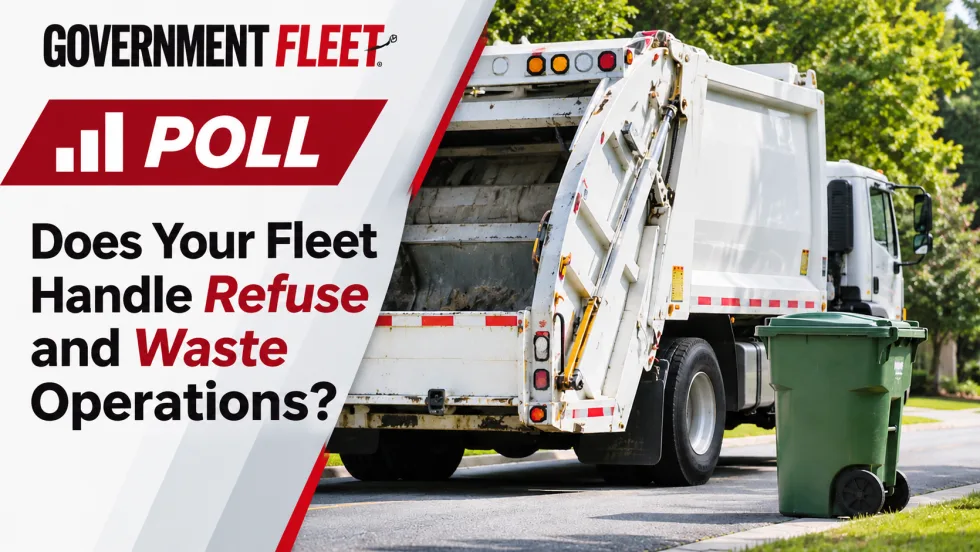
Does Your Government Fleet Handle Refuse and Waste Operations? Take Our Poll
Government Fleet wants to hear from public-sector fleet professionals about their responsibilities for refuse collection and waste management equipment.
Fleet Replacement Decisions, Waste Fleet Technology and the GFX Deadline
Is your next vehicle the right fit, can your records settle a missed pickup dispute, and what could your fleet teach others at GFX 2027?
Is Delaying Fleet Replacement Really Saving Money?
Could delaying replacement cost your fleet more than it saves? This week’s recap takes a closer look, plus an update on GFX 2027.

What Government Fleets Are Missing About Their True Costs
What are fleet budgets missing, and how can agencies use the data they already collect to make a stronger case for change?
Rethinking Fleet Decisions From the Budget Office to the Shop
This October we looked back at how public fleets are reconsidering familiar processes and using what they learn to make better decisions.
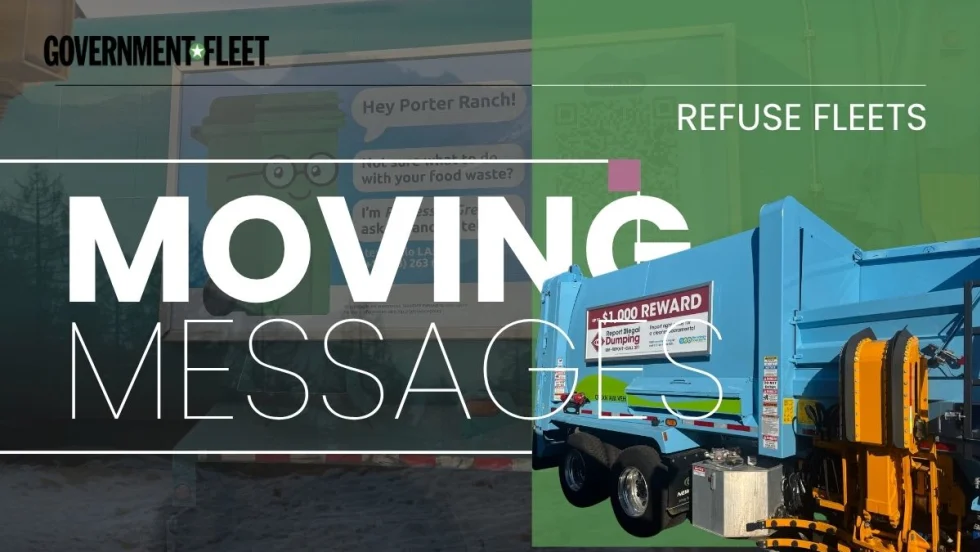
Who Owns the Message on a Refuse Truck?
Refuse trucks can carry public messages into neighborhoods, but keeping those messages current takes planning and clear responsibility.
Who Deserves Fleet Recognition and What Could You Teach at GFX?
Who helped shape your fleet career, and what have you learned that could help someone else?

What’s Haunting Public Sector Fleets?
Public sector fleet challenges rarely happen in isolation, and addressing one often means understanding how it connects to another.
Is Keeping Older Fleet Vehicles Really Saving Money?
Is keeping vehicles longer saving money, and what happens when a diagnostic test points to the wrong fix?