




Similar Content: GFX Sessions: Focus on Leadership
GFX Sessions: Focus on Recruiting and Succession Planning
At the annual Government Fleet Expo & Conference (GFX), fleet professionals share guidance in two educational sessions addressing technician recruitment and succession planning.
April 21, 2022

The Government Fleet Expo & Conference has two roundtable sessions discussing fleet technician recruitment and succession planning.
Photo: Alex Drachnik
2 min to read
Recruiting and succession planning are a necessary and essential part of good fleet management. At the annual Government Fleet Expo & Conference (GFX), two experienced fleet managers will lead educational sessions addressing these topics. Both sessions are interactive roundtable sessions:
During the Roundtable: Succession Planning for Staff Retention & Development, City of Glendale (Arizona) Fleet Management Superintendent Craig Croner will discuss the importance of strategic succession planning. Attendees will learn how to create a roadmap for employees looking to move up the career ladder, including into management.
The Roundtable: How to Recruit, Train & Retain the Next Generation of Technicians will focus on technician recruiting and retention. As DeKalb County (Georgia) Fleet Management Director Robert Gordon discusses, technician recruiting and retention is one of the biggest problems in the industry, because public-sector fleet managers are often unable to provide higher pay. Gordon will share his experience recruiting technicians, developing a recruiting team and an apprenticeship program, and training and retaining technicians.
A 30-minute open discussion will follow each session.
GFX takes place May 23-26 in Detroit. It features more than 20 valuable educational sessions, an exciting expo floor with new vehicles and technology, an interactive ride-and-drive, a festive Honors Celebration for awards winners, an optional tour of the Ford Rouge Factory, and more. Register by April 29 for $100 off!
Attendees can register on the GFX website.
More Operations
Is Delaying Fleet Replacement Really Saving Money?
Could delaying replacement cost your fleet more than it saves? This week’s recap takes a closer look, plus an update on GFX 2027.
Read More →
What Government Fleets Are Missing About Their True Costs
What are fleet budgets missing, and how can agencies use the data they already collect to make a stronger case for change?
Read More →
Rethinking Fleet Decisions From the Budget Office to the Shop
This October we looked back at how public fleets are reconsidering familiar processes and using what they learn to make better decisions.
Read More →
Who Owns the Message on a Refuse Truck?
Refuse trucks can carry public messages into neighborhoods, but keeping those messages current takes planning and clear responsibility.
Read More →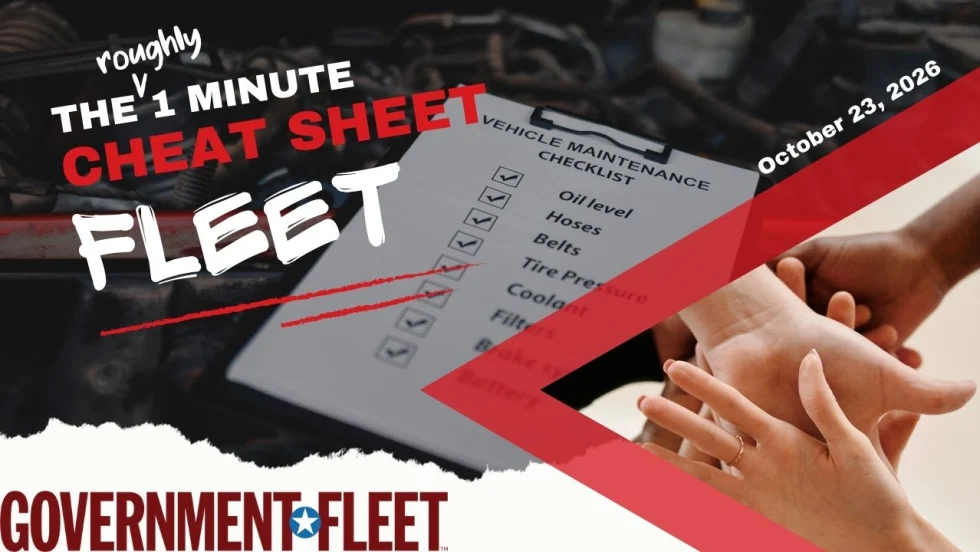
Who Deserves Fleet Recognition and What Could You Teach at GFX?
Who helped shape your fleet career, and what have you learned that could help someone else?
Read More →
What’s Haunting Public Sector Fleets?
Public sector fleet challenges rarely happen in isolation, and addressing one often means understanding how it connects to another.
Read More →
Is Keeping Older Fleet Vehicles Really Saving Money?
Is keeping vehicles longer saving money, and what happens when a diagnostic test points to the wrong fix?
Read More →
How Smart Fleet Strategy Can Help Local Government Agencies Do More with Less
Keeping a vehicle longer may ease this year’s budget, but what does it cost the next one? A closer look at fleet decisions can reveal opportunities to reduce spending while protecting essential services.
Read More →
Connect with Government Fleet on LinkedIn
From industry news and fleet management strategies to conversations with peers, Government Fleet's LinkedIn page offers public-sector fleet professionals another way to stay informed and connected.
Read More →
Town of Queen Creek Named Most Successful Fleet Award Winner of Inaugural RTA Fleet Success Awards
Five fleets were honored at RTA Connect 2026 in Chicago for excellence across resource efficiency, intentional culture, risk management, and stakeholder satisfaction.
Read More →