




Related: Utah City Opens New Fleet Facility
Ga. City to Build $1.4M Consolidated Fleet Facility
Elected officials from the City of Albany, Ga., have approved the construction of a $1.4 million fleet facility that will replace three separate worn-down repair facilities.
by Staff
August 2, 2017
Large equipment sometimes have a hard time fitting inside the repair bays. Photo courtesy of City of Albany
2 min to read

The City of Albany will replacing three of its maintenance facilities. Photo courtesy of City of Albany
Elected officials from the City of Albany, Ga., have approved the construction of a $1.4 million fleet facility that will replace three separate worn-down repair facilities, WALB reported.
“The biggest plus to this move is that we could take all of our employees and fit them into one facility,” Yvette Fields, director of the Central Services Department, told Government Fleet.
The 24-bay facility, which will house about 30 staff members, will be used to maintain 1,000 vehicles and pieces of equipment, including transit buses, police cars, fire trucks, sewer vacuum trucks, bucket trucks, solid waste trucks, and off-road equipment. A facility at the transit office will not be regularly staffed, but will be available for emergencies.

Large equipment sometimes have a hard time fitting inside the repair bays. Photo courtesy of City of Albany
The new facility will be equipped for compressed natural gas (CNG) bus maintenance, meaning technicians can maintain and repair these vehicles inside the building. The facility’s larger size also means technicians can work on larger pieces of equipment inside.
“Currently, some of our equipment is too large to be able to fix in the bay so they have to be worked on outside in the elements (rain, heat, cold, wind, etc.),” Fields explained.
Approval was just given to begin the design process, and the city expects the facility to be fully functional in 10 months.
The project will be paid for using special purpose local option sales tax VI (SPLOST) funding, according to WALB.
More Operations

What Government Fleets Are Missing About Their True Costs
What are fleet budgets missing, and how can agencies use the data they already collect to make a stronger case for change?
Read More →
Rethinking Fleet Decisions From the Budget Office to the Shop
This October we looked back at how public fleets are reconsidering familiar processes and using what they learn to make better decisions.
Read More →
Who Owns the Message on a Refuse Truck?
Refuse trucks can carry public messages into neighborhoods, but keeping those messages current takes planning and clear responsibility.
Read More →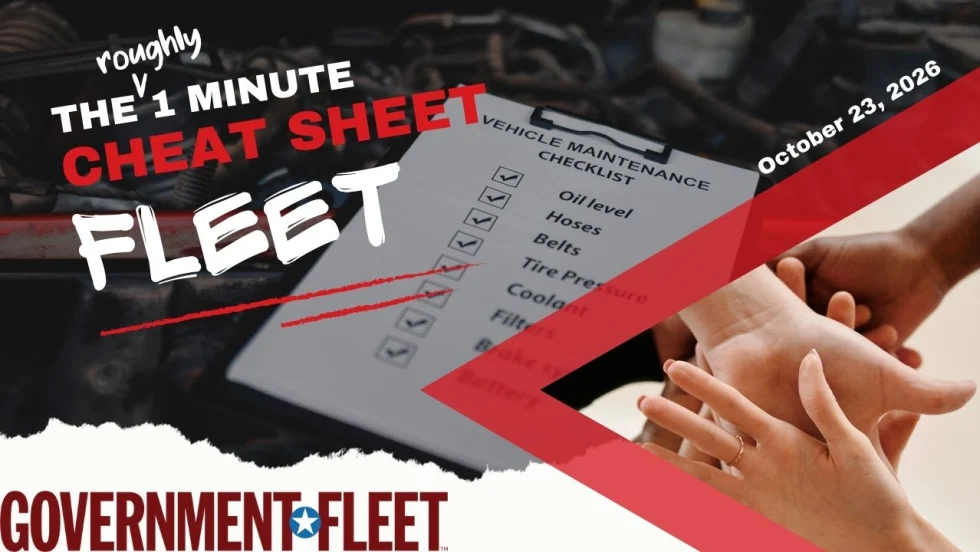
Who Deserves Fleet Recognition and What Could You Teach at GFX?
Who helped shape your fleet career, and what have you learned that could help someone else?
Read More →
What’s Haunting Public Sector Fleets?
Public sector fleet challenges rarely happen in isolation, and addressing one often means understanding how it connects to another.
Read More →
Is Keeping Older Fleet Vehicles Really Saving Money?
Is keeping vehicles longer saving money, and what happens when a diagnostic test points to the wrong fix?
Read More →
How Smart Fleet Strategy Can Help Local Government Agencies Do More with Less
Keeping a vehicle longer may ease this year’s budget, but what does it cost the next one? A closer look at fleet decisions can reveal opportunities to reduce spending while protecting essential services.
Read More →
Connect with Government Fleet on LinkedIn
From industry news and fleet management strategies to conversations with peers, Government Fleet's LinkedIn page offers public-sector fleet professionals another way to stay informed and connected.
Read More →
Town of Queen Creek Named Most Successful Fleet Award Winner of Inaugural RTA Fleet Success Awards
Five fleets were honored at RTA Connect 2026 in Chicago for excellence across resource efficiency, intentional culture, risk management, and stakeholder satisfaction.
Read More →
Sponsored•October 14, 2026
A buyer's guide to fleet management software in 2027
Buying fleet management software in 2027 means looking beyond features and price. As fleet operations, technology and expectations evolve, this guide explores what today’s fleet professionals should consider when choosing a system that can deliver value now and adapt to what comes next.
Read More →