




Related: Fleet Budgets Continue to Rise
Fiscal Review Shows City and State Finances Improving
States and cities have shown strengthening fiscal conditions, while county budgets are still constrained years after the recession, according to a new fact sheet issued by a group of associations representing government agencies.
by Staff
March 17, 20172 min to read
In the past few years, the fiscal conditions of state and local governments have stabilized, but improvements have been uneven, according to a new fact sheet issued by a group of associations representing state and local government agencies. The State and Local Fiscal Facts 2017 fact sheet highlights state and local finances, pensions, and municipal bonds.
For states, 2016 brought a moderate improvement in fiscal conditions, and general fund spending is on track to grow modestly in 2017 for the seventh consecutive year. Fiscal improvement has been uneven across states due to declining energy prices, differing tax and spending policies, regional economic disparities, and changes in population and demographics. States also face rising spending demands and long-term budget pressures in areas including healthcare, education, infrastructure, and pensions.
City fiscal conditions are strengthening, driven by better-than-anticipated revenue growth and solid performance of ending balances. Factors most negatively influencing city conditions include increases in infrastructure demands and employee and retiree-related costs. Positive factors include the value of the city tax base, health of the local economy, and in most cities, the drop in gas and oil prices.
Counties still face a constraining fiscal environment, and nearly half of county officials responding to a 2016 National Association of Counties (NACo) survey indicated a reduction or elimination of a county program or service because of budget constraints or unfunded state and local mandates in the past fiscal year.
Although some state and local government pension trusts are fully funded with enough assets for current pension obligations, some areas are concerned about underfunding. In most cases, a modest increase in contributions to take advantage of compound interest, or modifications to employee eligibility and benefits, or both, will be sufficient to remedy the underfunding problem, according to the fact sheet.
For the full fact sheet, click here.
More Operations

How St. Johns County Turned Fleet Data Into Better Replacement Decisions
St. Johns County, Florida, had fleet data, but turning it into reliable decision guidance was another matter. Instead of starting over with a new fleet management system, the county connected existing tools and built a scoring system that gives managers an objective look at fleet health.
Read More →
Fleet Forward Conference Introduces One-Day Passes for 2026
New one-day registration lets fleet professionals attend Tuesday, Wednesday, or Thursday, with passes available for $249.
Read More →
ENC Unveils its ZAVIR Medium-Duty Shuttle
Two variants of the concept shuttles were revealed: a low-floor configuration and a high-floor configuration.
Read More →
Could Your Next Fleet Technician Start as an Intern?
What if your next technician hasn’t worked in a fleet shop yet? What fleets are doing to free up time.
Read More →
How Phoenix Is Building Its Next Generation of Fleet Technicians
With more than 8,000 vehicles and pieces of equipment to maintain, the City of Phoenix could not afford to wait for fully trained technicians to walk through the door. Instead, they revamped their entire workforce strategy and showed how public fleets can create their own talent pipeline while preparing existing employees for increasingly complex vehicles.
Read More →
What’s Slowing Your Fleet Down?
Could a change in how work gets done help your fleet return vehicles to service sooner?
Read More →
Can Public Fleets Trust the Data Driving Their Decisions?
Public fleets have more data than ever, but inconsistent records and missing information can still undermine maintenance, replacement, and cost decisions.
Read More →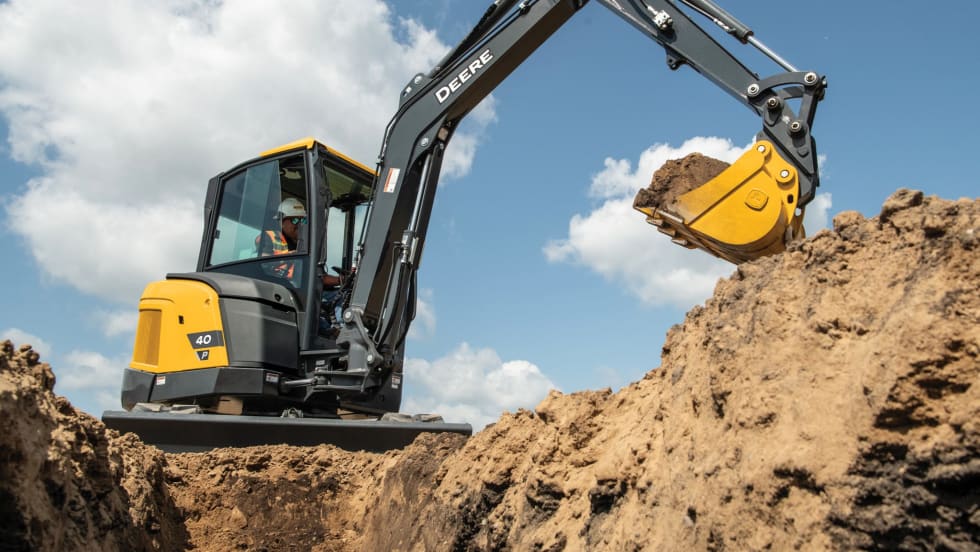
John Deere Introduces 40 P-Tier Compact Excavator
John Deere is adding a compact excavator designed for crews that need to move equipment between jobsites and handle multiple types of work with one machine. The 40 P-Tier weighs less than 10,000 pounds and offers configurable hydraulics, attachment options, and connected fleet-management capabilities.
Read More →
How Leading Fleets Improve and Why Business Plans Matter
This week, we look at what past Leading Fleet winners can teach us about making progress, plus how to build a business plan your fleet will actually use.
Read More →
Nominate a Fleet Leader for the 2027 Public Fleet Hall of Fame
Do you know a fleet leader who has made a lasting impact on the industry? Nominate this fleet professional for the 2027 Public Fleet Hall of Fame.
Read More →