




Evaluation of NC Bureau of Investigation Fleet Recommends Stronger Reporting & Management
RALEIGH, NC – An evaluation of vehicles operated by the State Bureau of Investigation (SBI) in the North Carolina Department of Justice (DOJ) stated that the SBI’s vehicle management generally followed best practices, but there is room for improvement.
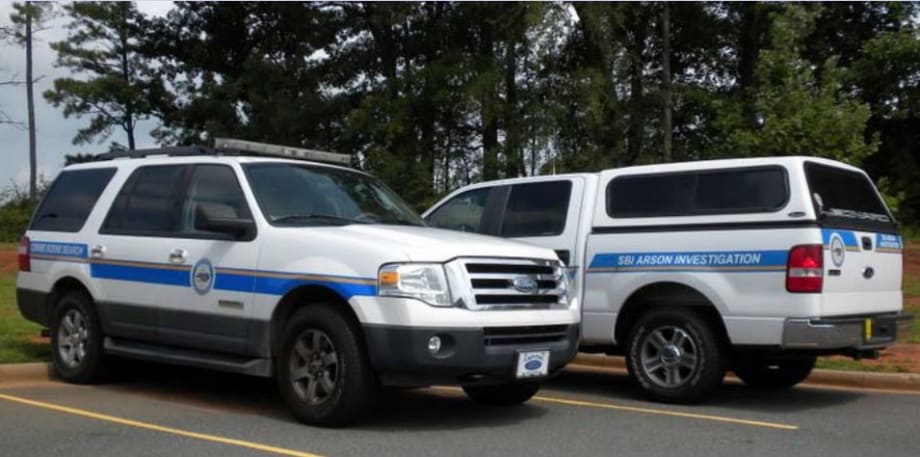
North Carolina's State Bureau of Investigation (SBI) has 384 total vehicles in its fleet. Average mileage of assigned vehicles is 92,238, and average mileage of utility vehicles is 91,813. Photo via North Carolina Program Evaluation Division.
North Carolina's State Bureau of Investigation (SBI) has 384 total vehicles in its fleet. Average mileage of assigned vehicles is 92,238, and average mileage of utility vehicles is 91,813. Photo via North Carolina Program Evaluation Division.
RALEIGH, NC – An evaluation of vehicles operated by the State Bureau of Investigation (SBI) in the North Carolina Department of Justice (DOJ) stated that the SBI’s vehicle management generally followed best practices, but there is room for improvement. It recommends the SBI strengthen internal controls, clarify policies and procedures, and modify data reports to improve oversight. It also recommended a more comprehensive approach to vehicle agreement.
The SBI operates 384 vehicles; of these, 254 are assigned and 130 are unassigned utility vehicles. All districts and each unit or section that operates vehicles are responsible for vehicle oversight. Individual agents are ultimately responsible for vehicles assigned to them. The evaluation found that SBI’s “decentralized structure and management controls do not fully assure consistent vehicle oversight.”
The evaluation further stated that the SBI meets best practices for acquiring and disposing of vehicles but does not have clear criteria for planning. The SBI has had funding challenges, with replacement funds decreasing by 59% between FY-2008 to FY-2012, leading to the use of many more high-mileage vehicles. However, the evaluation stated that “generally the oldest vehicle gets replaced” does not meet replacement best practices and that “budget constraints do not prevent replacement planning.” It also recommended written justification as a requirement for assigned vehicles. Additionally, 37% of managers do not track vehicle maintenance, with some stating the driver is solely responsible for tracking vehicle maintenance based on OEM recommendations.
Lastly, the evaluation stated that the SBI in has been using an in-house fleet management system, called Vehicle Tracking System (VTS), since October 2011, but management has not made best use of the data to optimize the fleet.
A response from the SBI director stated that in addition to tracking vehicles through the VTS, the SBI has utilized internal controls for fleet for many years, including on-site inspections by the Professional Standards Division. The director’s letter also stated that the evaluation provided “constructive professional information” and that the SBI would “examine the cost effectiveness and utility of incorporating these PED recommendations into our business processes.”
The Program Evaluation Division of the North Carolina General Assembly performed the evaluation, dated Nov. 14, after its 2011-12 reports on motor fleet management prompted legislative interest in law enforcement vehicles. Earlier reports recommended the implementation of a state-wide fleet management system, implementation of telematics, and centralizing fleet mangement. Findings from the reports showed the Department of Justice met 77% of best management practice criteria. SBI manages 94% of the vehicles in the DOJ. This evaluation is the first of a series on the issue of fleet management among law enforcement agencies. These will focus on vehicles in the DOJ and the Department of Public Safety. GF will keep readers updated on further reports.
For a PDF of the full evaluation and response, click here.
More Maintenance

Freeing Technicians for Higher-Priority Repairs
Could paid interns help public fleets free up experienced technicians for more complex repairs?
Read More →
Stay ready, set and safer with verified fleet inspections
When fleet inspections aren’t verifiable, missed defects can quickly become downtime, safety risks, and service delays. This white paper shows government and municipal fleet leaders how digital inspections can improve accountability, catch issues earlier, and keep vehicles ready when they’re needed most.
Read More →
Using Oil Analysis to Help with Engine Losses
How a Texas city changed its lubrication practices and began tailoring preventive maintenance intervals after test results showed oil degradation and fuel dilution.
Read More →
Hidden in Plain Sight: Fleet Compliance Risks
Fleet compliance isn't just about having policies — it's about consistently enforcing them. This practical guide reveals six hidden compliance risks common in public sector and shared fleet operations and outlines proven strategies to improve visibility, accountability, and audit readiness.
Read More →
Is Your Fleet Garage Holding Back Your Operation? | The Fleet Breakroom
Norman Barrientos of Barrientos Design & Consulting explains how agencies can use operational data to show decision-makers why a replacement or major renovation is needed.
Read More →
Reducing Long-Term Maintenance Costs and Downtime
Downtime is rarely caused by a single surprise failure but rather by an issue that builds over time through setbacks ranging from deferred maintenance to poor replacement planning. So what's the fix?
Read More →
The Future of Government Fleet Technicians with Mike Cleary
Insight on preparing for hybrid and electric vehicle service, what fleets need to know about recruiting technicians in a competitive market, and how to make the most of limited training budgets.
Read More →
Work Orders Are More Than Records. They're a Roadmap to Fleet Availability
What if your work orders could predict failures, uncover hidden costs, and boost fleet availability? Here's how leading fleets are using the data.
Read More →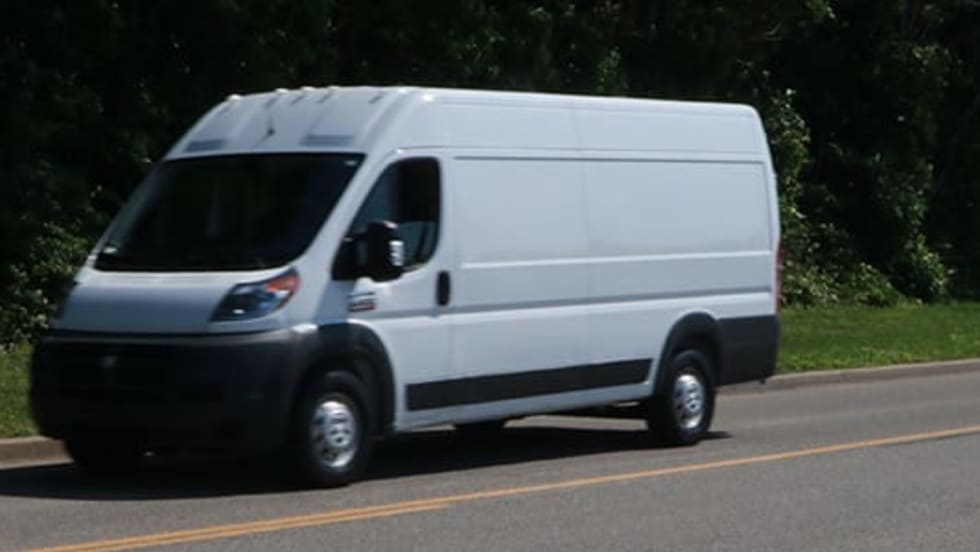
Drive More Profit with Greater Fleet Uptime
Fleet downtime costs money. JASPER helps keep vehicles on the road with quality remanufactured components, fast nationwide delivery, and reliable solutions that boost uptime and profitability.
Read More →
Smart Seasonal Maintenance Tips for Government Fleets
Government fleets carry extra weight, and routes, schedules, and public trust depend on reliability. A systematic spring checklist keeps vehicles in service when agencies need them most.
Read More →