




EPA Says All New Clean Diesels Are Certified for Full Production
WASHINGTON - The Diesel Technology Forum announced that all major heavy-duty truck and engine manufacturers have met new Environmental Protection Agency standards for emissions cuts and have been certified by EPA for full production.
WASHINGTON - The Diesel Technology Forum announced that all major heavy-duty truck and engine manufacturers have met new Environmental Protection Agency standards for emissions cuts and have been certified by EPA for full production.
The new diesel trucks are equipped with particulate matter filters that trap emissions, which and result in 2007 trucks being 90 percent cleaner than the previous generation of trucks. Nitrogen oxide emissions have also been reduced significantly with new technology.
"With the government certification of heavy-duty trucks now official, we can celebrate another milestone in the clean diesel transformation," said Forum executive director Allen Schaeffer. "The nationwide availability of ultra-low sulfur diesel fuel in October 2006 provided 97 percent cleaner diesel fuel, enabling manufacturers to engineer the cleanest diesel trucks ever. With government certifications officially recognizing the success of the new diesel engines in drastically cutting emissions, all Americans can celebrate a stunning clean air achievement. Truck and engine makers stepped up to the challenge, and now we've all met it."
Manufacturers now certified by the EPA include Caterpillar, Cummins, Detroit Diesel Corp., International, Mack and Volvo, meaning each is compliant with the most stringent diesel emissions standards in the world. The EPA predicts that these new trucks - once they fully replace the existing fleet - will reduce emissions of smog-forming gases by 2.6 million tons each year, and cut soot emissions by 110,000 tons annually.
More Operations

Fleet Forward Conference Introduces One-Day Passes for 2026
New one-day registration lets fleet professionals attend Tuesday, Wednesday, or Thursday, with passes available for $249.
Read More →
ENC Unveils its ZAVIR Medium-Duty Shuttle
Two variants of the concept shuttles were revealed: a low-floor configuration and a high-floor configuration.
Read More →
Could Your Next Fleet Technician Start as an Intern?
What if your next technician hasn’t worked in a fleet shop yet? What fleets are doing to free up time.
Read More →
How Phoenix Is Building Its Next Generation of Fleet Technicians
With more than 8,000 vehicles and pieces of equipment to maintain, the City of Phoenix could not afford to wait for fully trained technicians to walk through the door. Instead, they revamped their entire workforce strategy and showed how public fleets can create their own talent pipeline while preparing existing employees for increasingly complex vehicles.
Read More →
What’s Slowing Your Fleet Down?
Could a change in how work gets done help your fleet return vehicles to service sooner?
Read More →
Can Public Fleets Trust the Data Driving Their Decisions?
Public fleets have more data than ever, but inconsistent records and missing information can still undermine maintenance, replacement, and cost decisions.
Read More →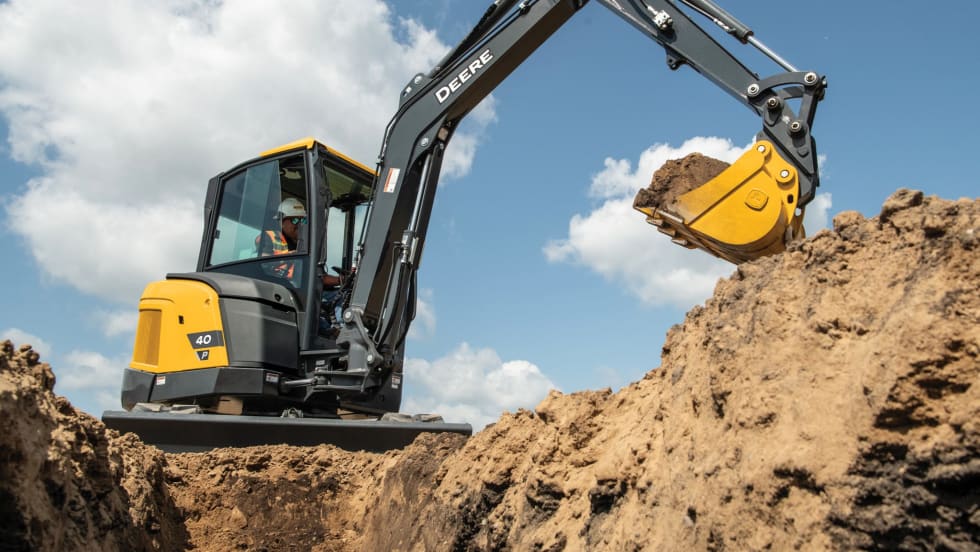
John Deere Introduces 40 P-Tier Compact Excavator
John Deere is adding a compact excavator designed for crews that need to move equipment between jobsites and handle multiple types of work with one machine. The 40 P-Tier weighs less than 10,000 pounds and offers configurable hydraulics, attachment options, and connected fleet-management capabilities.
Read More →
How Leading Fleets Improve and Why Business Plans Matter
This week, we look at what past Leading Fleet winners can teach us about making progress, plus how to build a business plan your fleet will actually use.
Read More →
Nominate a Fleet Leader for the 2027 Public Fleet Hall of Fame
Do you know a fleet leader who has made a lasting impact on the industry? Nominate this fleet professional for the 2027 Public Fleet Hall of Fame.
Read More →
Why Fleet Business Plans Need Three Perspectives
A fleet business plan should help agency leaders understand the fleet’s value, give the organization a clear direction, and establish shared expectations with customer departments.
Read More →