




Denver RTD Transit Police Division to Deploy New Transit Security Solution
Panasonic has partnered with the Denver Regional Transportation District (RTD) Transit Police Division to develop and deploy a transit security solution built on a foundation of Panasonic i-PRO network cameras.
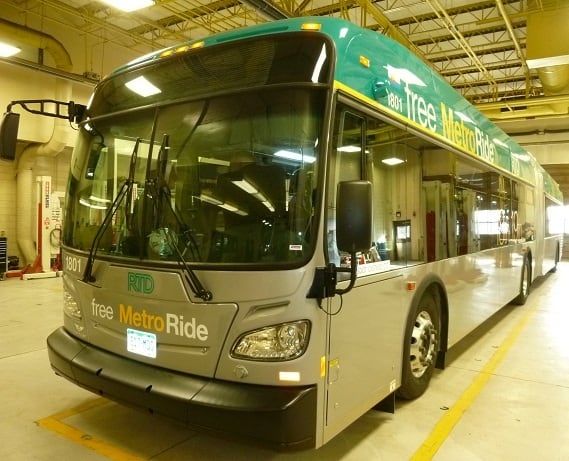
Photo courtesy of Panasonic
Photo courtesy of Panasonic
Panasonic System Communications Company of North America has partnered with the Denver Regional Transportation District (RTD) Transit Police Division to develop and deploy a transit security solution built on a foundation of Panasonic i-PRO network cameras. The new solution is replacing RTD’s aging analog-based system to enable staff to efficiently access high-quality video evidence. It will be used to protect riders, drivers and physical property, as well as to improve the investigation of criminal activity, safety violations, accidents, and liability claims.
The system consists of full HD 1080p and HD 720p network cameras inside and outside of each bus, integrated with other hardware and software components for recording, file transfer, viewing, and management. It leverages NICE Systems NiceVision IP video management software and the NICE Inform platform to view and manage video files, and integrate them with various other video and audio sources and case files to create a unified event timeline. The multiphase deployment of the integrated solution across RTD’s new and existing fleet is ongoing.
A key benefit of the solution is the ability for RTD staff to quickly and wirelessly offload flagged video files associated with specific incidents from buses’ in-vehicle recorders. This eliminates the need to manually offload data and search through files when investigating an incident, saving the agency significant time and cost. The in-vehicle technology also includes the capability for public safety officials to view live footage from the bus’s cameras during an emergency, from up to a block away.
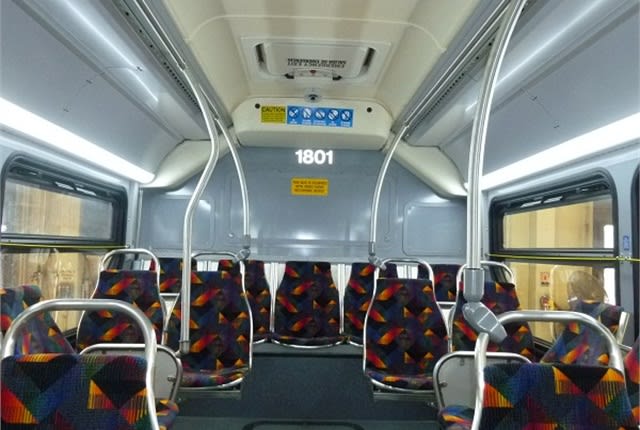
Photo courtesy of Panasonic
By employing open platform Panasonic i-PRO MEGA Super Dynamic HD WV-SW155 compact dome network cameras and i-PRO Super Dynamic Full HD WV-SW158 compact dome network cameras with microphone capabilities, the solution delivers improved video quality and clarity as well as wider fields of view. The vandal-resistant cameras are engineered to withstand shocks and impacts, and are IP66-rated water and dust resistant. Additionally, the in-vehicle recorders are equipped with anti-vibration mounts to ensure long-term performance, and cameras on buses’ exteriors are secured in shroud housings for added protection.
“With our former analog-based system, RTD Security had to physically retrieve hard drives from busses to investigate incidents an average of 25-30 times per day – a significant waste of time and resources. Video quality was also poor and sometimes unusable,” said Bob Grado, RTD Transit Police Commander and Manager of Integrated Security Operations. “Working with Panasonic, we developed a high-quality solution from the ground up to address these issues and more importantly, to ensure the security of our bus system for our 101 million passenger trips a year.”
More Safety
New Partnership Aims to Expand Public Digital Hazard Alert System Statewide
The Hawai’i Department of Transportation (HDOT) is expanding advance digital hazard alerts for the public statewide.
Read More →
New York City Expands Safety Technologies Across Municipal Fleet
Executive Order 19 moves intelligent speed assistance and pedestrian alerts from pilot programs toward standard fleet equipment, offering other public fleets a look at how safety technology can be tested, measured, and scaled.
Read More →
Hidden in Plain Sight: Fleet Compliance Risks
Fleet compliance isn't just about having policies — it's about consistently enforcing them. This practical guide reveals six hidden compliance risks common in public sector and shared fleet operations and outlines proven strategies to improve visibility, accountability, and audit readiness.
Read More →
5 Days Left to Submit Your 2026 Fleet Safety Award Nomination
Know a government fleet, safety, or risk manager who deserves recognition for making fleet operations safer? Nominations are open through Aug. 15.
Read More →
How the First 24 Hours Can Shape a Fleet Crash Response
How a strong accident response process helps government fleets move from the initial report to recovery while building a clearer record for what needs to change next.
Read More →
How Better Visibility Cut Speeding Violations by 48%
Fleet leaders don't need more data, they need clearer visibility into what the data is saying. This case study explores how one utility replaced speeding-event counts with a single metric — miles driven in violation — to strengthen safety and significantly reduce speeding violations.
Read More →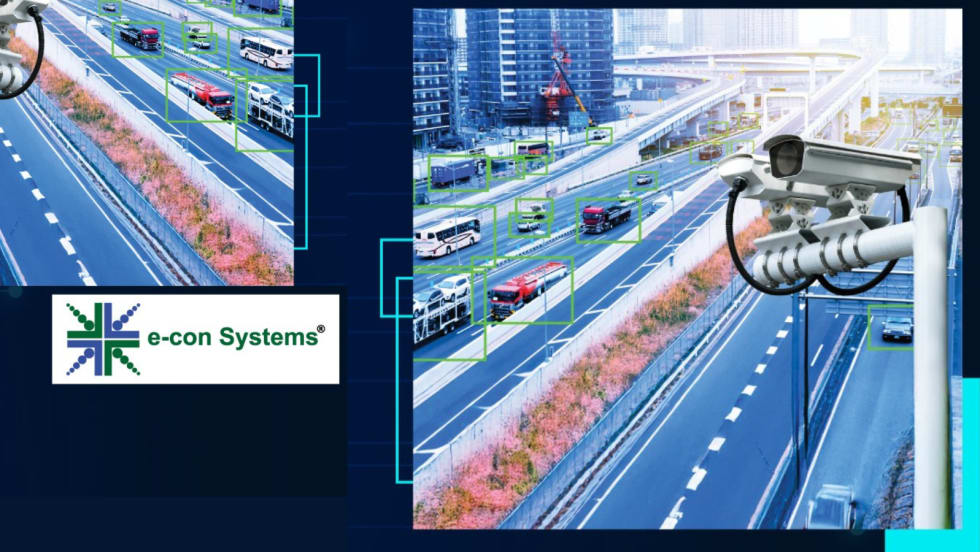
e-con Systems Expands AI Camera Tools for Traffic Monitoring
The systems support license plate recognition, traffic analytics, and video management for transportation agencies.
Read More →
King Township Pilot Links Driver Feedback to Reduced Speeding
How King Township, a best-in-class municipal fleet, reduced speeding by 10.9% and demonstrated a projected 349% ROI by putting safety ownership directly in drivers' hands.
Read More →
Beyond the Fireline: The Critical Role of Public Fleets in Wildfire Response
Behind every wildfire response is a complex network of vehicles, data, and decisions that must work in sync under extreme pressure. Global heating trends require strong fleet coordination and reliable communications to keep crews safe and operations running smoothly.
Read More →
How AI Is Transforming Public Fleet Safety - Part 1
AI-powered safety systems are helping public fleets tackle distracted driving by delivering real-time coaching and measurable behavior change behind the wheel. In part one of our Q&A, Nauto CEO Stefan Heck explains how agencies can improve safety, reduce costs, and navigate implementation challenges with AI-driven technology.
Read More →