




Dearborn Heights Officials to Review Cost and Use of City Vehicles
DEARBORN HEIGHTS, MI – Dearborn Heights city officials agreed that purchasing city vehicles outright could reduce save the city money in the long run, but some say stricter enforcement regarding employees' use of those vehicles is still needed.
DEARBORN HEIGHTS, MI – Dearborn Heights city officials agreed that purchasing city vehicles outright could reduce save the city money in the long run, but some say stricter enforcement regarding employees' use of those vehicles is still needed, according to the Press & Guide Newspapers. The city currently leases or owns more than 100 vehicles, which are utilized by various departments — including the Building Department, Public Works, and the Water Department — as well as members of the city's administration, such as Mayor Dan Paletko and Krystina Kramarz, administrative assistant to the mayor. Paletko has expressed interest in purchasing city vehicles outright, instead of leasing them for a specified amount of time. The city currently leases or owns several vehicles that are being utilized by the directors or administrators overseeing various city departments, as well as by members of the police and fire departments. Some members of the Dearborn Heights city council expressed concern during a Nov. 20 meeting that the city may have an overabundance of vehicles and that some employees may be utilizing their city-owned vehicles for personal use. However, several city employees are already required to fill out logs documenting their travels, and there are policies in place to deal with employees who violate the city's policies regarding the usage of a city-owned vehicle. The policies have been in place for some time, according to the Press & Guide Newspapers. However, the log program was instituted recently after it was determined that some city employees were caught violating the city’s policies during working hours. The council agreed that stricter enforcement of existing policies may be required to prevent further incidents, such as the one that occurred in November 2006 when an employee with the city’s Department of Public Works struck several parked cars while operating a street sweeper in the city’s north end. The driver was intoxicated at the time of the incident, police said. City employees who violate the city's substance abuse policy are allowed to seek treatment following their first offense. Any city employee with a suspended license is not allowed to operate a city vehicle. Councilwoman Marge Horvath suggested that the city could implement a Global Positioning System for its vehicles, which would allow city officials to know where the vehicles are at any given time. Members of the council also expressed concern that the vehicles being used by city employees are not properly marked, which has led to concern from local residents. The council is expected to continue its discussion about city-owned vehicles at a future date.
More Operations
What Can Disappear After a Fleet Crash?
This week, we look at drone footage, what fleets should document before repairs begin, and share a quick poll.
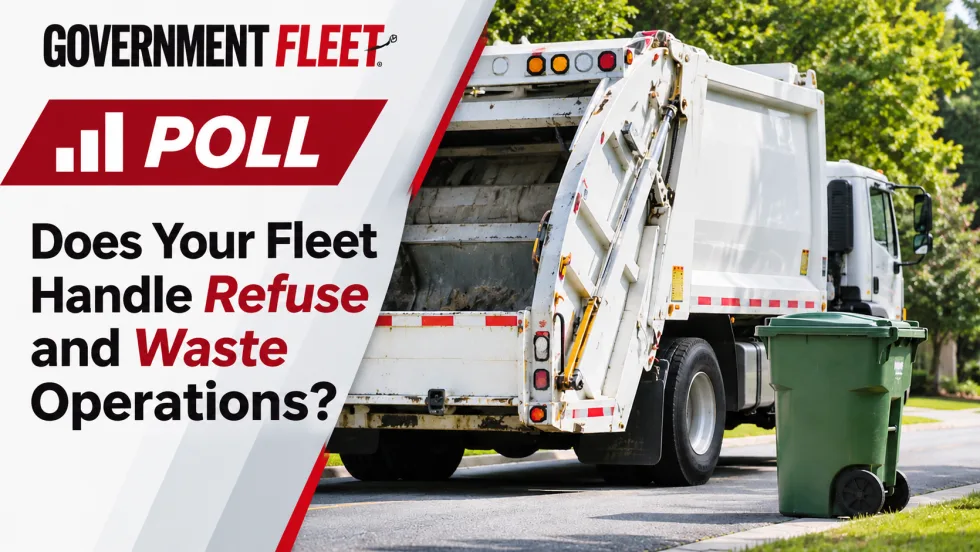
Does Your Government Fleet Handle Refuse and Waste Operations? Take Our Poll
Government Fleet wants to hear from public-sector fleet professionals about their responsibilities for refuse collection and waste management equipment.
Fleet Replacement Decisions, Waste Fleet Technology and the GFX Deadline
Is your next vehicle the right fit, can your records settle a missed pickup dispute, and what could your fleet teach others at GFX 2027?
Is Delaying Fleet Replacement Really Saving Money?
Could delaying replacement cost your fleet more than it saves? This week’s recap takes a closer look, plus an update on GFX 2027.

What Government Fleets Are Missing About Their True Costs
What are fleet budgets missing, and how can agencies use the data they already collect to make a stronger case for change?
Rethinking Fleet Decisions From the Budget Office to the Shop
This October we looked back at how public fleets are reconsidering familiar processes and using what they learn to make better decisions.
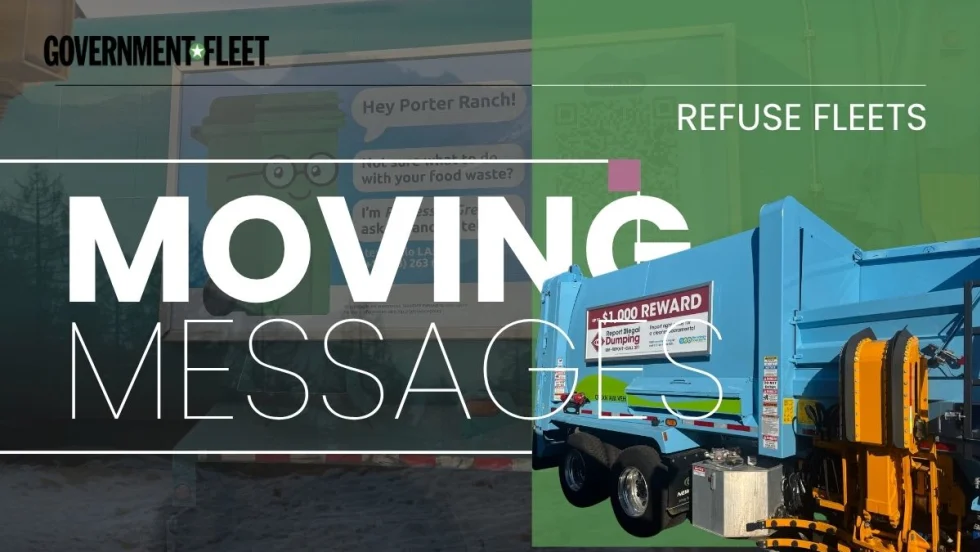
Who Owns the Message on a Refuse Truck?
Refuse trucks can carry public messages into neighborhoods, but keeping those messages current takes planning and clear responsibility.
Who Deserves Fleet Recognition and What Could You Teach at GFX?
Who helped shape your fleet career, and what have you learned that could help someone else?
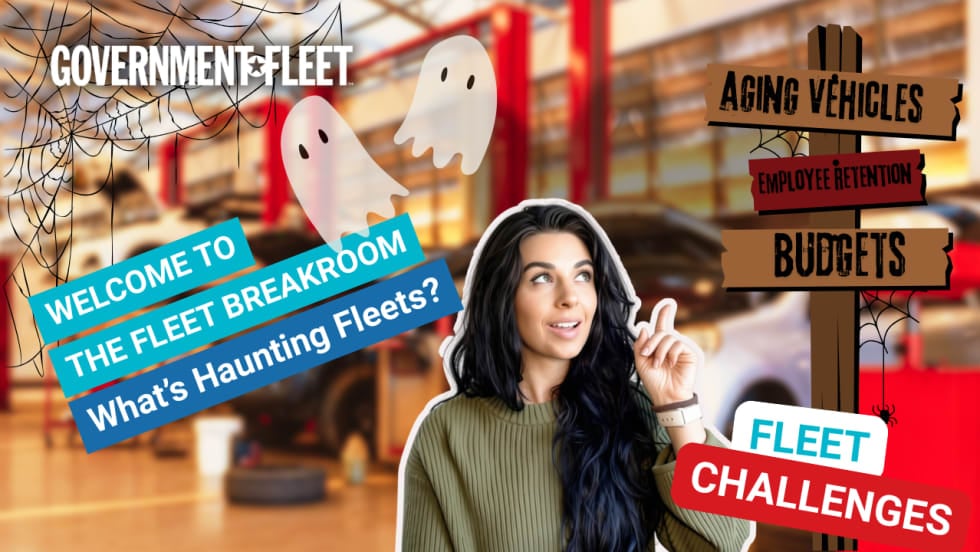
What’s Haunting Public Sector Fleets?
Public sector fleet challenges rarely happen in isolation, and addressing one often means understanding how it connects to another.

Is Keeping Older Fleet Vehicles Really Saving Money?
Is keeping vehicles longer saving money, and what happens when a diagnostic test points to the wrong fix?