




Costs Rise in Colorado Springs Outsourcing Plan
A Colorado Springs, Colo., outsourced fleet maintenance contract was estimated to save $2 million in three years, but numbers from the first year of the contract show costs are higher than projected due to a new utility service center.
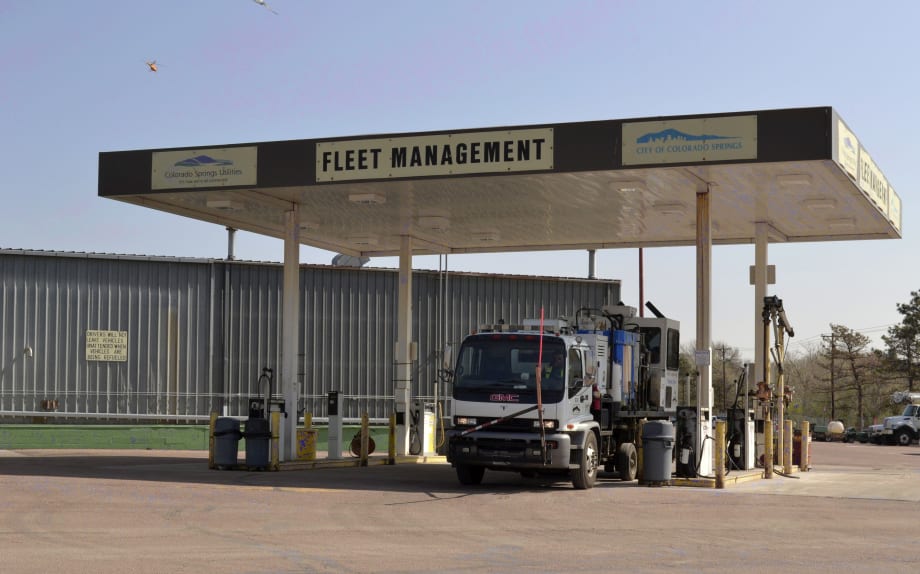
File photo
File photo
A Colorado Springs, Colo., outsourced fleet maintenance contract was estimated to save $2 million in three years, but numbers from the first year of the contract show costs are higher than projected due to a new utility service center. A financial audit by the city auditor of the first year of outsourcing the city and utility fleets shows that fleet costs in 2014 were $112,199 higher than planned.
On Jan. 1, 2014, the city began outsourcing its city and utility fleet maintenance to Serco Inc., in order to reduce costs. Many city and utility employees applied for their old jobs through Serco.
The total estimated cost for outsourced fleet services is $9.5 million. The audit shows that in calendar-year 2014, city fleet costs were $43,100 below estimates while Colorado Springs Utilities costs were $155,299 above estimates.
The main reason for the fleet cost increase at the utility is its new service center, which opened in April 2014. The utility decided to add the fleet maintenance operation after the Serco bid award but before the contract was signed, so the addition was not included in the $2 million savings estimate. The utility added the facility to reduce time and fuel needed to transport vehicles to other fleet maintenance sites. The audit stated this new facility will increase utility fleet operating costs by more than $150,000 annually and reduce future estimated savings.
Ryan Trujillo, contract compliance manager, told The Colorado Springs Independent, he’s still confident the city will save $4.2 million within five years. However, City Auditor Denny Nester thinks the cost of operating the new service station will put a dent in that savings total.
The Office of the City Auditor will include an audit of actual three-year results in its 2017 audit plan.
To read the full audit released in August, visit the Colorado Springs website.
More Operations
Who Deserves Fleet Recognition and What Could You Teach at GFX?
Who helped shape your fleet career, and what have you learned that could help someone else?
Read More →
What’s Haunting Public Sector Fleets?
Public sector fleet challenges rarely happen in isolation, and addressing one often means understanding how it connects to another.
Read More →
Is Keeping Older Fleet Vehicles Really Saving Money?
Is keeping vehicles longer saving money, and what happens when a diagnostic test points to the wrong fix?
Read More →
How Smart Fleet Strategy Can Help Local Government Agencies Do More with Less
Keeping a vehicle longer may ease this year’s budget, but what does it cost the next one? A closer look at fleet decisions can reveal opportunities to reduce spending while protecting essential services.
Read More →
Connect with Government Fleet on LinkedIn
From industry news and fleet management strategies to conversations with peers, Government Fleet's LinkedIn page offers public-sector fleet professionals another way to stay informed and connected.
Read More →
Town of Queen Creek Named Most Successful Fleet Award Winner of Inaugural RTA Fleet Success Awards
Five fleets were honored at RTA Connect 2026 in Chicago for excellence across resource efficiency, intentional culture, risk management, and stakeholder satisfaction.
Read More →
A buyer's guide to fleet management software in 2027
Buying fleet management software in 2027 means looking beyond features and price. As fleet operations, technology and expectations evolve, this guide explores what today’s fleet professionals should consider when choosing a system that can deliver value now and adapt to what comes next.
Read More →
Hazard Alerts, Fleet Car Sales Rise and a New Shuttle Concept
Fleet car sales doubled, but the bigger picture tells a different story in this week’s roundup.
Read More →
How St. Johns County Turned Fleet Data Into Better Replacement Decisions
St. Johns County, Florida, had fleet data, but turning it into reliable decision guidance was another matter. Instead of starting over with a new fleet management system, the county connected existing tools and built a scoring system that gives managers an objective look at fleet health.
Read More →
Fleet Forward Conference Introduces One-Day Passes for 2026
New one-day registration lets fleet professionals attend Tuesday, Wednesday, or Thursday, with passes available for $249.
Read More →