




Conn. City Halves Motor Pool Fleet
The City of Stamford, Conn., has reduced its motor pool fleet from 60 to 29 vehicles by automating motor pool management and having better control of utilization.

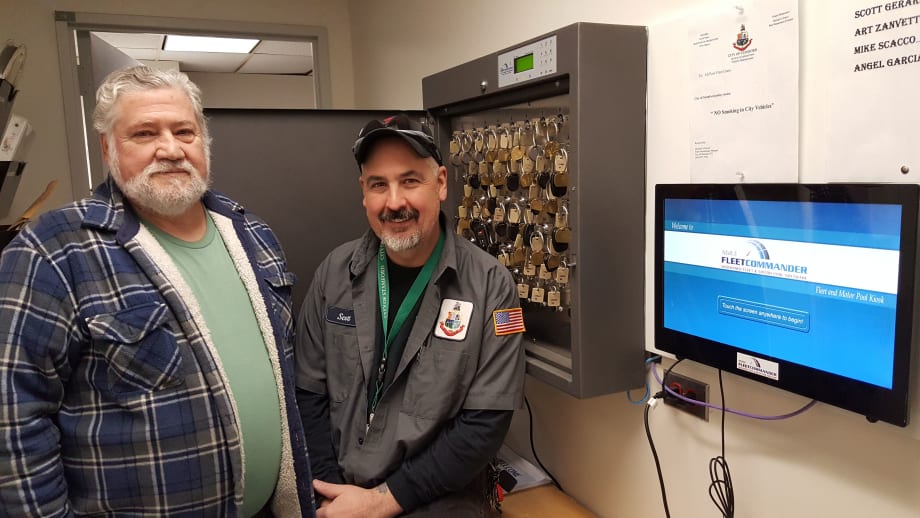
Art Zanvettor, mechanic/body man, and Scott Gerardi, parts manager, worked on automating the motor pool process. Photo courtesy of City of Stamford
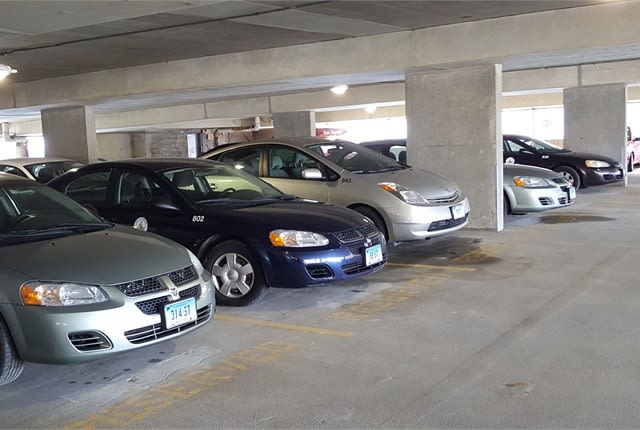
Fleet staff created a centralized motor pool with 60 vehicles. Photo courtesy of City of Stamford
The City of Stamford, Conn., has reduced its motor pool fleet from 60 to 29 vehicles by automating motor pool management and having better control of utilization, said Mike Scacco, fleet maintenance manager for the city.
Scacco had been looking for a motor pool program for years to overhaul the city’s method of decentralized motor pools — individual departments managed their own pooled vehicles, making it difficult to centrally track utilization and determine if they were used effectively.
“Cars were scattered throughout. We were looking for a system to control the cars, to take a look at the utilization of cars, how they were being used on a daily basis, who was using them, where they were going,” Scacco said.
The city purchased the Agile FleetCommander motor pool solution, installing it on 60 vehicles that fleet staff had identified for its central motor pool. Scacco, along with Scott Gerardi, parts manager, and Art Zanvettor, mechanic/body man, gave classes to city departments to inform them of the change; tell them general rules such as leaving the vehicle clean, with fuel, and without personal belongings; and show them how to use the new automated pool vehicle reservation system. The user reserves a vehicle online, retrieves a key from a key box at the scheduled time, retrieves the vehicle from a central location, and returns the key in the key box after responding to automated questions about any vehicle defects.
Scacco said one of the factors that allowed the fleet to reduce its size is through “stacking,” or renting out a vehicle for more than one trip throughout the day. Users are now more likely to carpool to meetings, and managers are holding employees more accountable for vehicle use, he added.
Art Zanvettor, mechanic/body man, and Scott Gerardi, parts manager, worked on automating the motor pool process. Photo courtesy of City of Stamford
Another factor leading to the success of the program is encouraging those with “stationary positions” to use their personal vehicle instead. If a worker tends to take a vehicle to a location and stays there for six to seven hours every day, Scacco sees no point in having a $30,000 vehicle sit unused throughout most of the day.
The software has active telematics and allows fleet to not only track utilization, but also who use the vehicles, where they go, if they’re speeding or using vehicles for personal use, and even for tracking work history.
“It’s a tremendous tool,” Scacco said.
The Stamford fleet consists of about 1,000 units, ranging from fire, police, and Public Works vehicles to snow blowers, lawn mowers, and beach combers. Scacco oversees a staff of 20.
More Software
Utilimarc Introduces Vehicle Replacement Planning Tool
Replacing fleet vehicles often involves balancing budgets, maintenance costs, and operational needs. Utilimarc's new planning tool is designed to help fleet managers evaluate replacement priorities using existing fleet data.
Read More →
Samsara Introduces New Brand Identity
The company behind one of the fleet industry's largest connected operations platforms has unveiled a new look. The updated branding reflects Samsara's growing emphasis on AI-driven tools and digital fleet management.
Read More →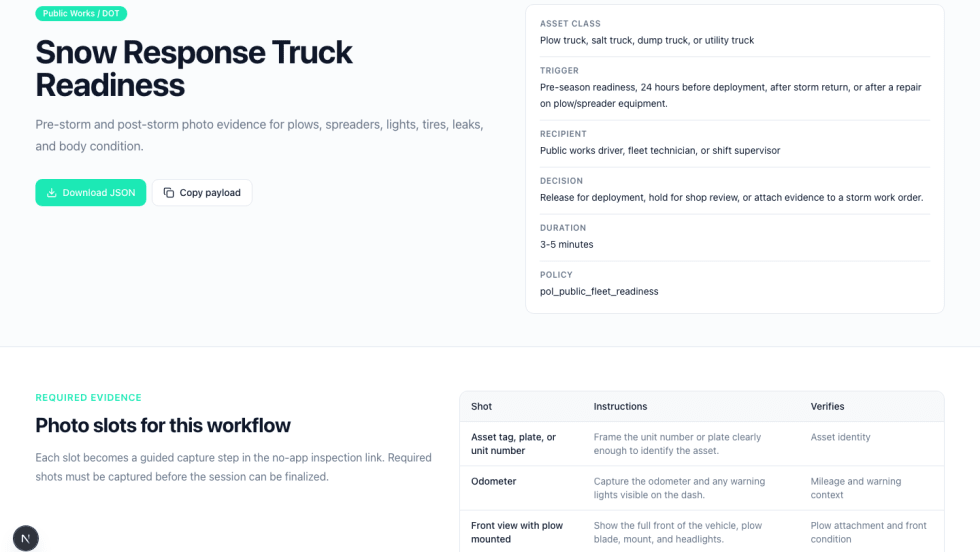
Switch Labs Launches VerifyAI Readiness Kit for Public Fleets
Fleet inspections often rely on paper forms, inconsistent documentation, or manual photo collection. A new toolkit from Switch Labs is designed to give public agencies a more structured way to verify vehicle readiness and track condition over time.
Read More →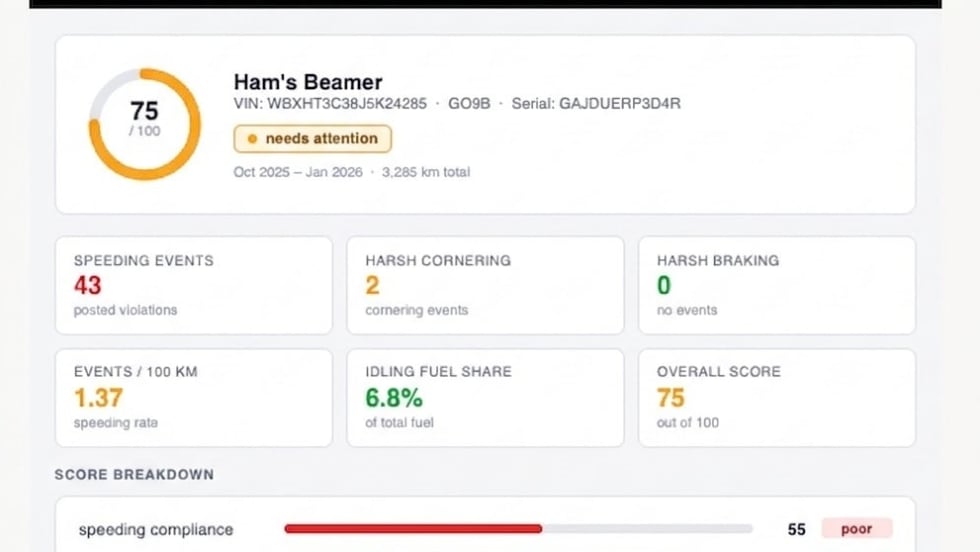
Geotab Launches AI Connector for Fleets
New Geotab MCP Connector enables organizations to securely access live fleet data, automate workflows and take action from within the AI platforms they already use.
Read More →
Ford Adds AI Fleet Assistant to Ford Pro Telematics Platform
AI-driven insights allow fleet managers to query vehicle data, track performance trends, and identify maintenance needs across connected fleets.
Read More →
Report Finds 53.3% of Fleets Researching or Piloting AI Capabilities
New benchmark data highlights the cost pressures, maintenance delays, and workforce constraints shaping fleet operations in 2026.
Read More →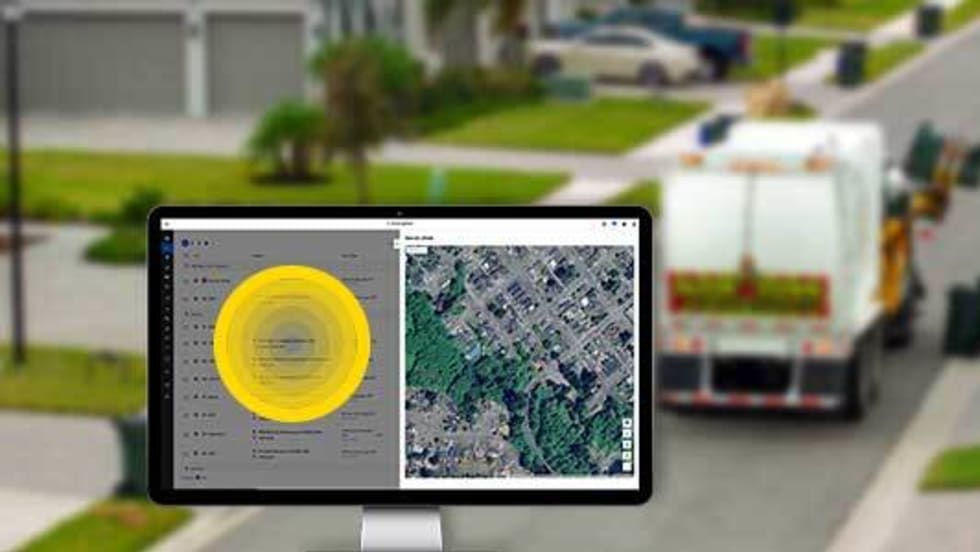
3 Ways Fleet Tech Builds Public Trust
Managing a state or local fleet comes with levels of accountability private companies don’t have. Read how modern fleet technology helps elevate visibility and safety to strengthen community trust.
Read More →
Geotab Expands Sourcewell Contract Adding Video Telematics, Asset Tracking, Data Analytics Solutions for Public Sector
Geotab has expanded its cooperative purchasing contracts with Sourcewell to include additional telematics and data solutions for public sector fleets.
Read More →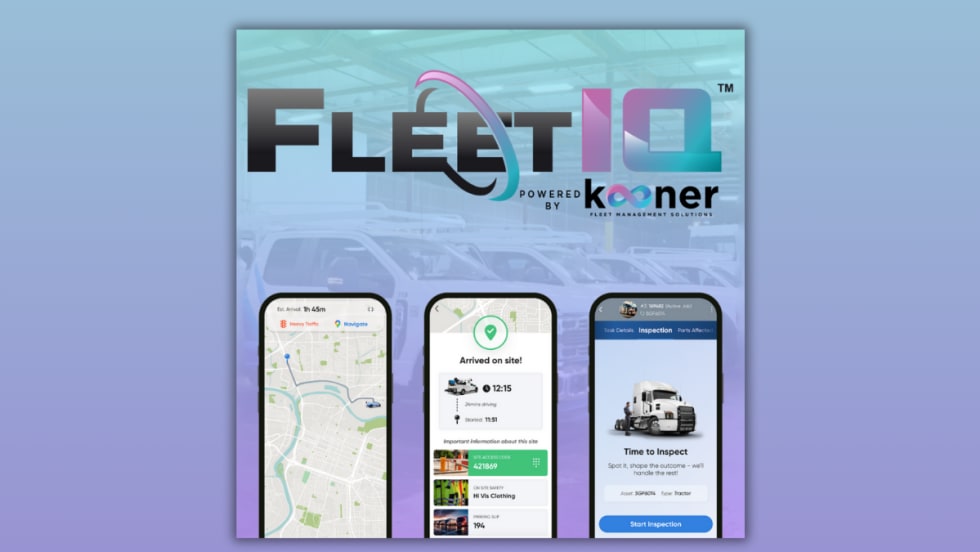
Kooner Fleet Management Launches FleetIQ, A Next-Generation Fleet Maintenance Tech Platform
Kooner Fleet Management Solutions has launched FleetIQ, a new platform that uses predictive analytics and automation to improve fleet uptime, streamline service operations, and support data-driven decision-making.
Read More →
Streamlined Maintenance and Repair Options Now Available for Canadian Fleets
Fleetio expands its Maintenance Shop Network into Canada, giving fleets access to verified repair shops, real-time tracking, and automated approvals.
Read More →