


At a glance
Fleets interested in establishing a motor pool should consider:
Starting small, with a few vehicles
Adopting hybrids and alternative fuels to lower fuel costs
Choosing a central location that is convenient for customers.
 MENU
MENU SEARCH
Establishing a motor pool for employee use rather than reimbursing for every trip can result in lower costs, higher utilization, and a more efficient fleet operation. But it has its limitations.


Contra Costa County, Calif., offers a variety of
gasoline, electrified, and natural gas vehicles. Photo courtesy of Contra Costa County.

Contra Costa County, Calif., offers a variety of
gasoline, electrified, and natural gas vehicles. Photo courtesy of Contra Costa County.
With new motor pool technology, employees can now sign up and reserve fleet vehicles with the click of a mouse. This offers convenience and more vehicle options for customers. It can also result in savings for governments, allowing them to lower costs, right size their fleet, and increase customer satisfaction. In many cases, motor pool use has many advantages over driver reimbursement. However, it also has its limitations.
Every year, the Internal Revenue Service (IRS) determines a reimbursement rate for businesses. It takes into account all fixed and variable costs of operating an automobile, including fuel and maintenance costs. And, like fuel costs, this rate continues to fall. The rate was 57 cents per mile in 2015, 54 cents per mile in 2016, and is now 53.5 cents per mile for 2017.
The IRS rate considers retail fuel cost in its calculation, which means public fleets purchasing fuel at wholesale prices may already see savings over reimbursement. By investing in fuel-efficient vehicles, such as hybrid-electric cars, or opting for alternative-fuel vehicles, fleet can lower operating costs even further.
The North Dakota Department of Transportation (NDDOT) Fleet Services owns and maintains the vehicles for all agencies in the state. Robin Rehborg, CAFM, director of State Fleet Services, said the depaartment also has 500 vehicles in nine motor pool locations across the state. These include flex-fuel and hybrid-electric vehicles.
Carlos Velasquez, fleet manager for Contra Costa County, Calif., said the county motor pool includes 200 vehicles. His fleet facility houses 37, including sedans, trucks, and vans. The motor pool includes a variety of fuel options, including gasoline, hybrid-electric, battery-electric, and compressed natural gas.
Motor pools can also keep fleet maintenance costs low. Contra Costa County has an aggressive preventive maintenance program, and customers generally check out motor pool vehicles while waiting for their own assigned vehicles to be serviced. Velasquez has found that it is easier to get assigned vehicles in for service if the customer knows a motor pool vehicle is waiting for them.
“When [customers] know they have a [motor pool vehicle] to use until their unit is completed, they are more apt to bring the unit in on the scheduled date,” he said.
Savings can also come from right-sizing. Brandon Elliott, fleet operations director for Lancaster County, S.C., is currently exploring his options for a motor pool. The county owns a fleet of 430 vehicles, with Sheriff’s patrol cars and fire rescue vehicles comprising about half of the fleet.
Elliott looked at his fleet’s current usage and found that 60% of the county’s vehicles failed to reach 400 miles of usage per month. A few even had zero miles logged for several months.
“The projected data was an eye opener for the county administrator when he saw that it was going to take 20 more years at the current usage rate to reach the replacement mileage on several of the vehicles,” he said. “We are still getting the policies and procedures in place for the motor pool and, due to budgeting reasons, we will wait to fully implement the changeover when our new budget year starts.”
Motor pools are also a way for fleets to reach more customers. For Lancaster County, administrative employees are not allowed to take home fleet vehicles. With the motor pool, they will have the option to check out vehicles for conferences, training, and meetings.
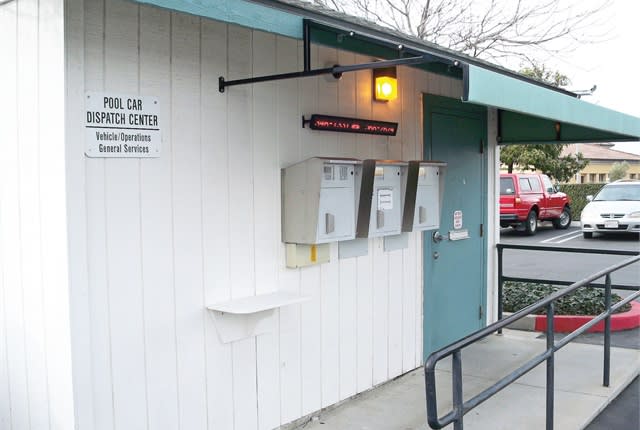
Santa Barbara County’s motor pool system uses an automated key box, in which customers receive a code to access the lockbox for their keys. Photo courtesy of Santa Barbara County
Using fleet vehicles over personal vehicles takes liability away from the customer. Mitch Guenthart, fleet manager for Santa Barbara County, Calif., said many don’t realize that they are personally liable if something happens to their vehicle. This makes using a motor pool vehicle more advantageous for customers from a liability standpoint.
“[Employees] don’t realize that part of that reimbursement is that their personal insurance is primary in the event of an accident,” he said. “We’ve had a few employees who were very surprised to learn that the county’s insurance fund didn’t cover the accident.”
Guenthart added that employees using marked and decaled motor pool vehicles on business trips tend to make fewer detours for personal use, such as stopping by the dry cleaners or bank.
In North Dakota, state agencies pay Fleet Services directly for all motor pool use, which means employees don’t have to wait for reimbursement. This means motor pool customers face very little risk and have the added benefit of driving a new and well-maintained vehicle.
When NDDOT receives new vehicle orders, it places most brand new models in the motor pool to collect their initial mileage. Sedans are cycled out for assignment every five years. The average age of vehicles in the motor pool is two years.
With a motor pool management system, customers can experience an efficient reservation process that fits within the fleet operation.
Rehborg said NDDOT uses an online reservation system through AssetWorks that allows customers to choose the best vehicle for their use. An on-site attendant confirms all reservations.
Santa Barbara County offers 140 vehicles across six motor pool sites. Guenthart said about 2,500 county employees are registered with the motor pool, which is completely automated and allows employees to pick up vehicles 24/7. The system, managed by INVERS, adds convenience for customers and the automated key box cuts down on costs by not having an attendant on-site.
For Contra Costa County, departments manage their own motor pool hubs. Fleet management uses Local Motion by Zipcar. Employees have their employee badge linked to the system and can either reserve a vehicle online or go directly to a motor pool location and check out vehicles on demand by scanning their badge.
Of course, motor pools aren’t for every application. As a state motor pool, NDDOT’s customer agencies are spread across a large area. For employees who don’t live near one of the state’s nine motor pool locations, reimbursement or assigned vehicles are still the best options.
Rehborg and Guenthart said their fleets’ motor pool vehicles are limited to professional use only, so a customer bringing a spouse along for a business trip would need to use a personal vehicle with reimbursement.
Fleets interested in a motor pool may be happy to hear that setup can be relatively easy. A variety of motor pool management services are available, whether a fleet wants a key box, online reservation, or full automation. And no minimum amount of vehicles is needed to start a motor pool.
However, determining demand can be difficult. Keep too many vehicles in stock and it defeats the purpose of running a lean, efficient fleet. Keep too few vehicles and fleets run the risk of a shortage. Unlike maintaining a list of assigned vehicles, there is no definite list of who will need vehicles ahead of time.
Many fleets have found that the best method is to start small and add vehicles once demand is easier to gauge. Velasquez said an advantage of Local Motion’s platform is its user pattern trend analysis, which presents data on what vehicles customers actually use and helps Velasquez’s team decide whether to expand or cut pooled vehicles.
When Lancaster County starts its motor pool, Elliott said it will start with 30 vehicles and adjust the amount based on usage.
The eight-site, 6 MW solar project has advanced the city toward 100% renewable energy for municipal operations.
Read More →
The programs aim to boost sustainable operations across the East Coast's busiest seaport.
Read More →
A discussion on how EVaaS is moving beyond pilot programs and what fleets should consider before beginning a larger deployment.
Read More →
As fleets move beyond small EV pilots, Sustainability Partners CEO Adam Cain explains how EVaaS can address the infrastructure and long-term planning required for larger deployments.
Read More →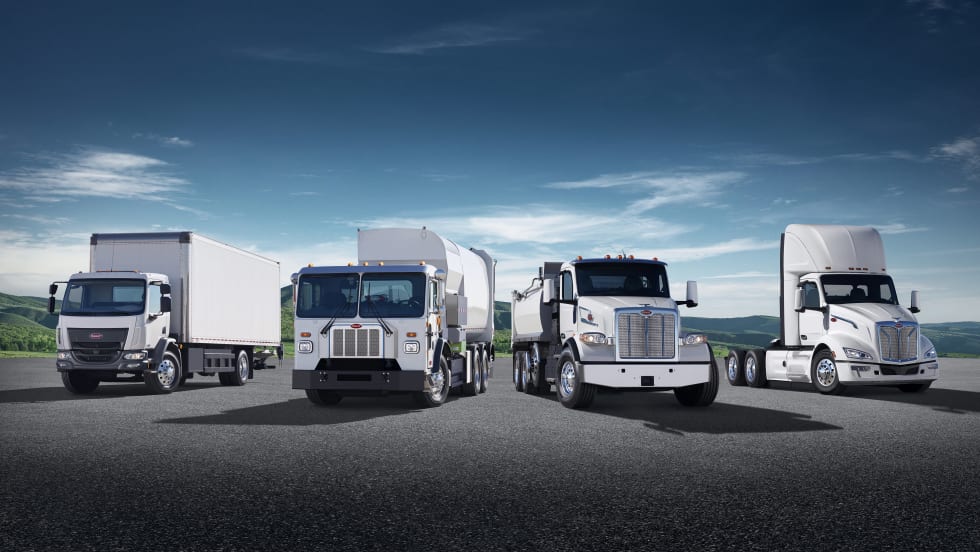
The agreement aims to provide streamlined procurement of Peterbilt trucks for government, education, nonprofit and tribal organizations across the United States and Canada.
Read More →
Where is your fleet in the journey of vehicle electrification? If you're still looking for answers to fleet electrification you've come to the right place.
Read More →
Hawaii lawmakers passed clean fuel legislation that could support renewable natural gas production, biogas-powered transportation, and lower-carbon fueling options for public and commercial fleets.
Read More →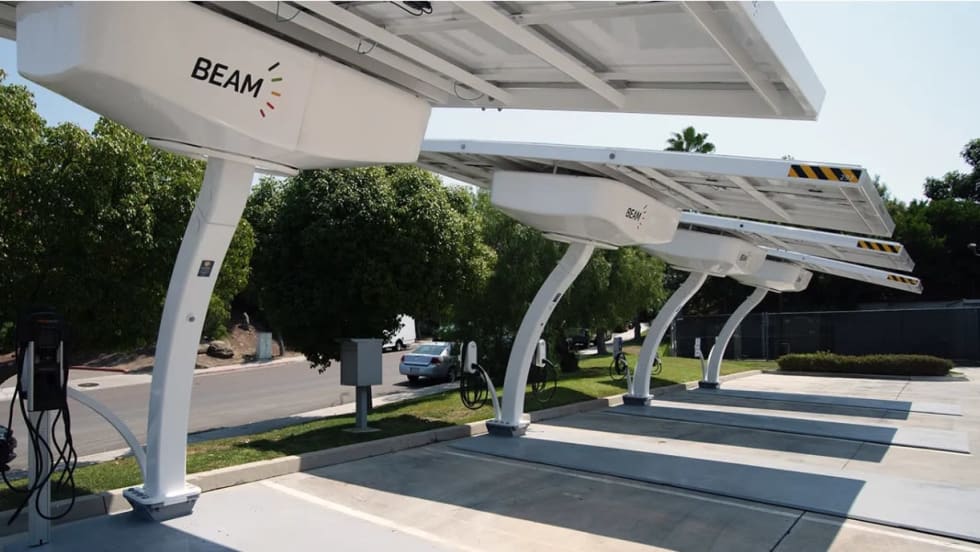
Stanislaus County deployed 10 off-grid solar-powered EV charging systems and a mobile charging trailer from Beam Global to support its electric fleet operations and emergency response flexibility.
Read More →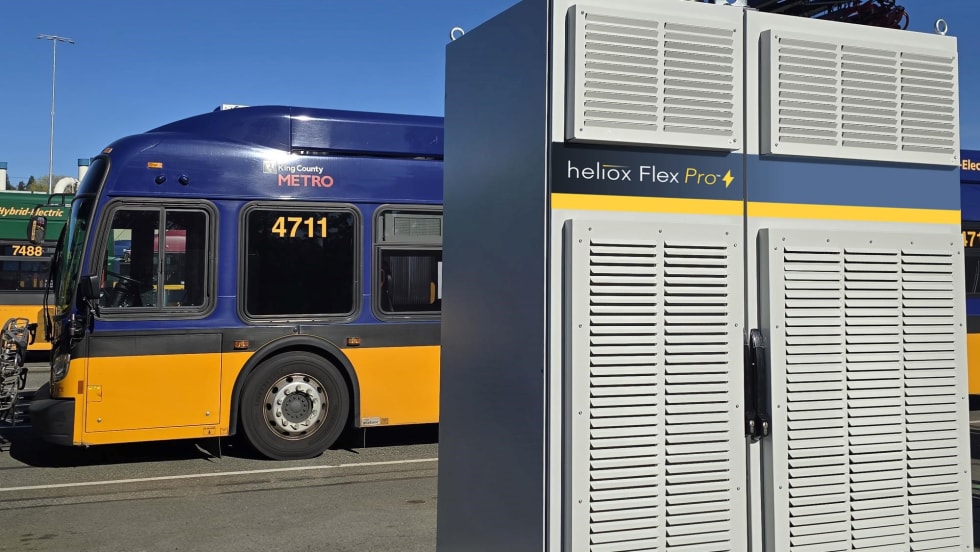
King County Metro is piloting Heliox’s new 480-kW Flex Pro charger to support expansion of its battery-electric bus fleet and depot charging infrastructure. The compact charging system supports pantograph and plug-in charging configurations for high-density transit operations.
Read More →