





Related: Columbus, Ohio, Dedicates Second CNG Fueling Station
Columbus Takes Delivery of CNG Refuse Trucks
The City of Columbus, Ohio, took delivery of 18 automated side loader refuse trucks powered by dedicated compressed natural gas (CNG) at a cost of $5.2 million.
June 25, 2015
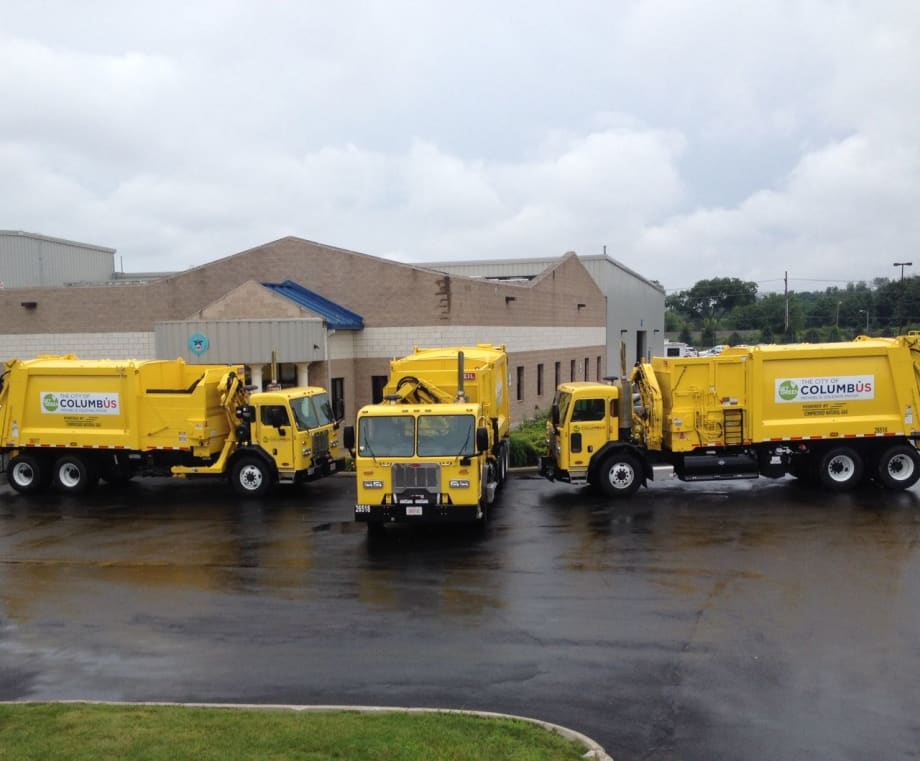
Photo courtesy of City of Columbus.
1 min to read
Photo courtesy of City of Columbus.
The City of Columbus, Ohio, took delivery of 18 compressed natural gas (CNG) automated side loader refuse trucks. The dedicated CNG vehicles built on a Peterbilt chassis with a Heil body cost $5.2 million, said Kelly Reagan, fleet administrator.
The order brings the city’s CNG vehicle count to 156 dedicated CNG trucks, including 66 refuse trucks. The remainder are tandem- and single-axle dump trucks, plows, street sweepers, vactor flushers, and other heavy-duty vehicles, Reagan said.
The city opened its second public access CNG fueling station in 2014, and it opened its first station in 2012.
The city is in the design process of its third CNG fueling station. Reagan expects the $7.3 million station will be open by the second quarter of 2016.
The city expects to recoup the cost of its CNG fleet conversion through savings in fuel costs. In 2014, the two city fueling sites provided 433,196 gasoline gallon equivalents (GGEs), 40% to retail customers. The city is on pace to pump about 550,000 GGEs this year.
By 2020, the City of Columbus expects to have 440 CNG vehicles in its fleet. Almost 40% of the CNG transition has been completed within the heavy-duty fleet.
More Procurement
Government Fleet Car Sales More Than Double in September
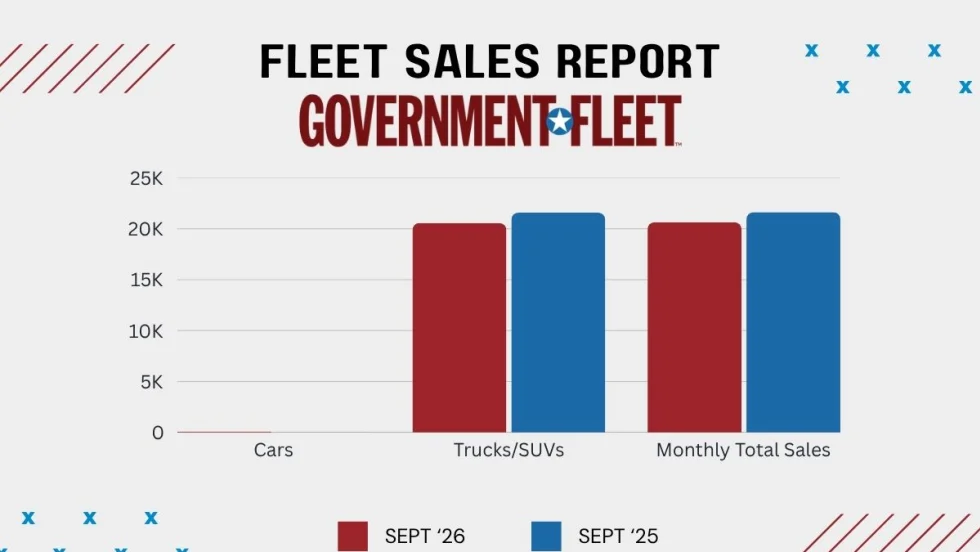
Government fleet car sales rose 112.8% year over year in September, climbing from 39 to 83 units even as total monthly sales declined 4.5%.
Read More →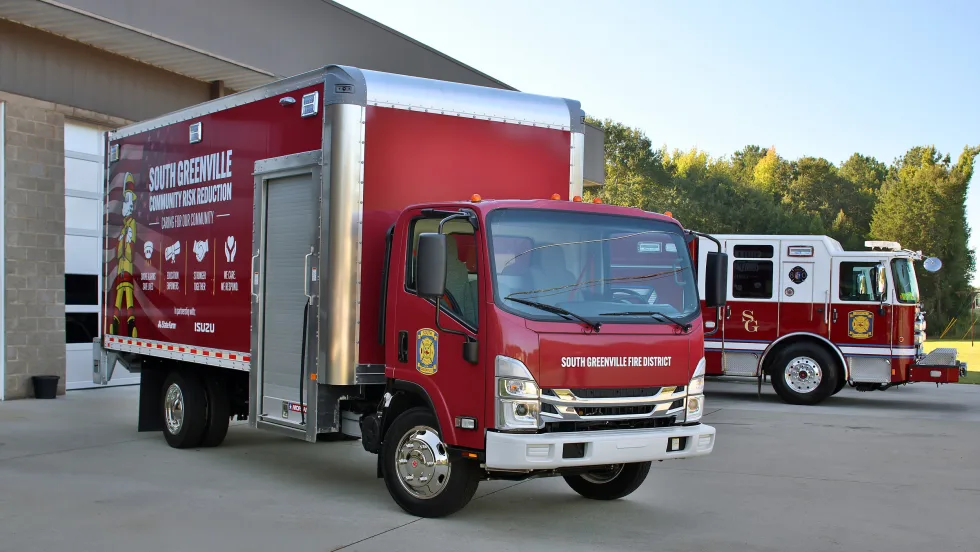
Isuzu Donates New N-SERIES NRR Truck to South Greenville Fire District to Support Community Outreach
Isuzu NRR equipped with Morgan truck body and PALFINGER liftgate will help support fire safety education, community engagement and outreach programs throughout Southern Greenville County.
Read More →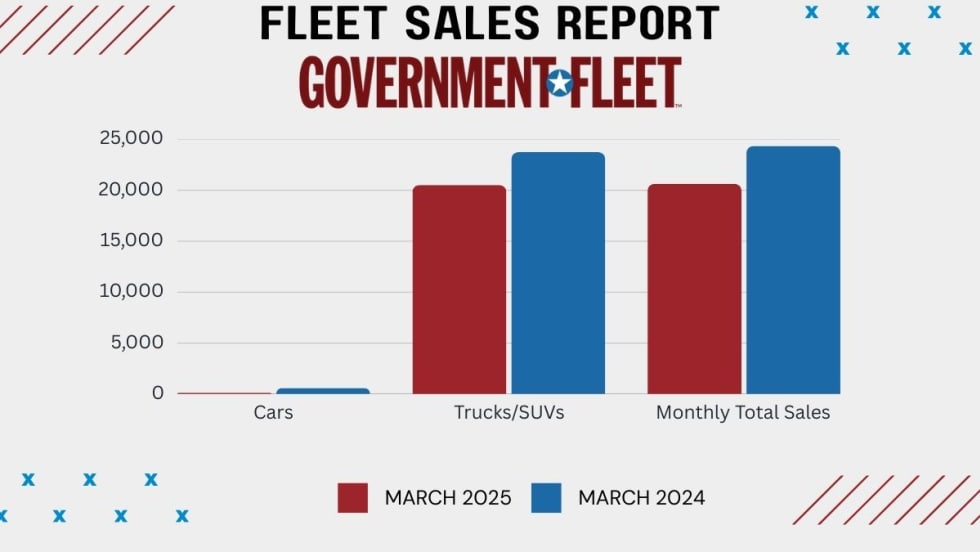
Government Vehicle Sales See Continued Growth from Beginning of Year
Government fleet sales rose from both January and February monthly totals, which were both under 20,000.
Read More →
Updated: Trump Signs Proclamation Imposing 25% Tariff on Auto Imports
A new proclamation signed by President Trump imposes a 25% tariff on imported passenger vehicles and key auto parts, citing national security concerns.
Read More →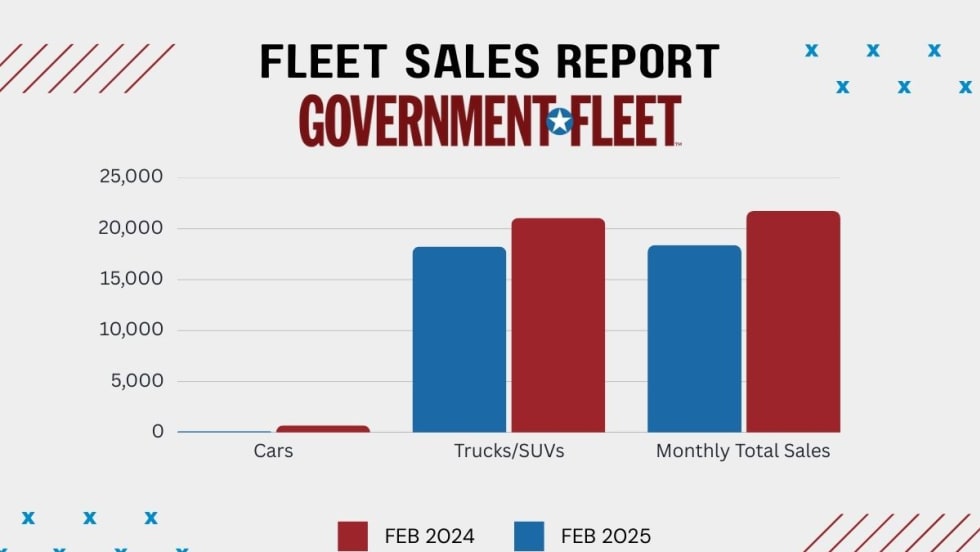
Government Vehicles Sales See Another Dip Compared to 2024
Government fleet sales last month came in at 18,383 vehicles, falling 15.4% from 21,737 in February 2024.
Read More →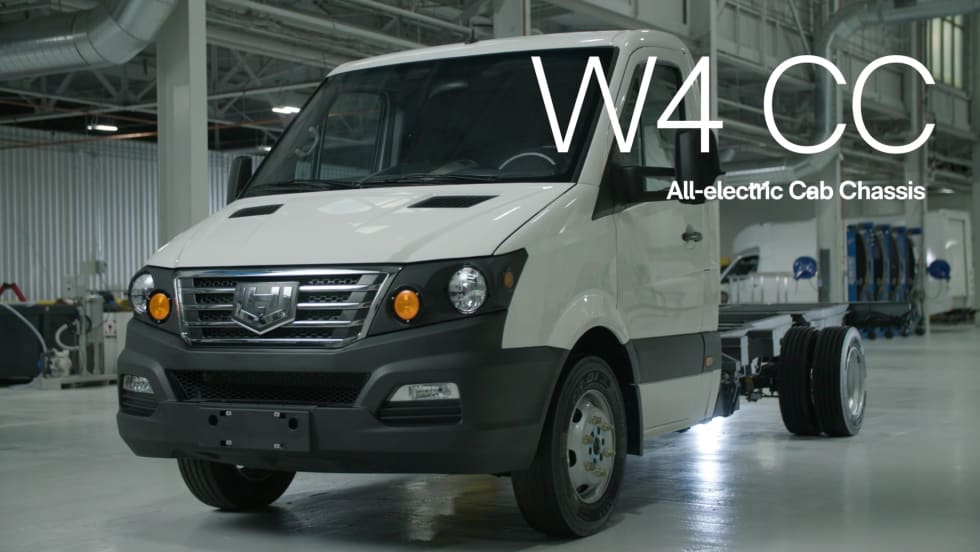
Washington Municipality Adds Workhorse Electric Trucks to Fleet
The municipality will deploy two W4 CC electric work trucks for trash and recycling can switch-outs, enhancing the efficiency of its waste management services.
Read More →
From the Archives: Changes in Fleet Acquisitions
When vehicles become harder to acquire, fleet managers must balance keeping vehicles on the road longer while managing the escalating operating costs of older vehicles.
Read More →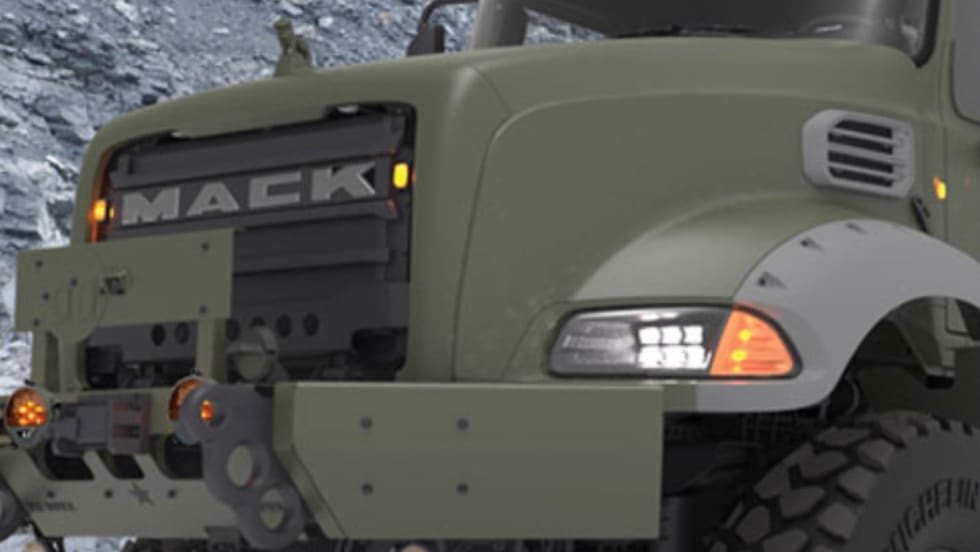
Mack Defense Awarded Contract By U.S. Marine Corps To Develop Medium Tactical Truck
The U.S. Marine Corps awarded Mack Defense a 12-month contract for the initial development of a new Medium Tactical Trucks (MTT) fleet.
Read More →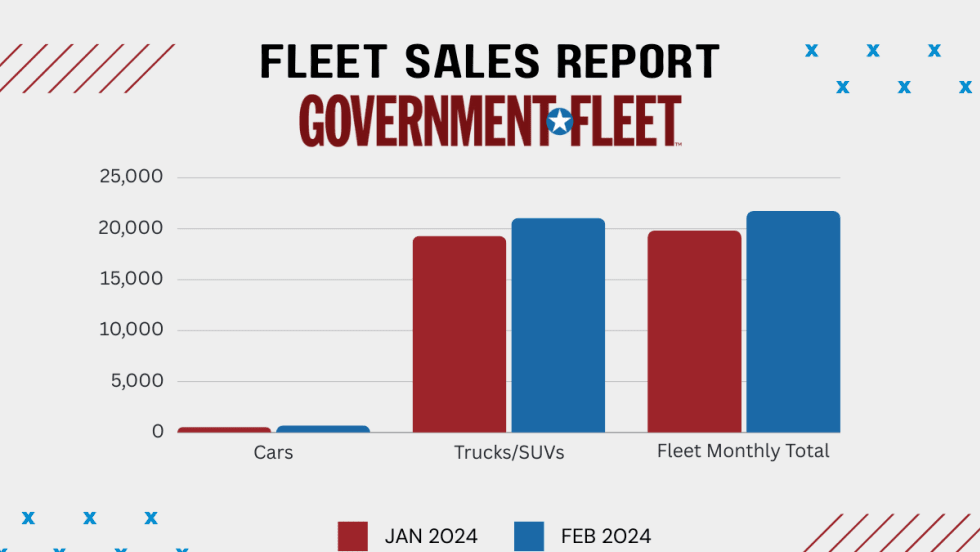
Government Vehicle Sales Rise from January to February
Government vehicle sales continue to rise into 2024 with both car and truck/SUV sales climbing between January and February of 2024, according to Bobit/Government Fleet sales data released March 2.
Read More →
How the UAW Strike Affected Government Fleet Orders from the Big 3
Government Fleet asked the Big 3 how their operations have been in the weeks since the UAW strike ended, with new contracts ratified. Plus, automakers address concerns about vehicle delivery delays.
Read More →