




Class-Action Suit Against Ford Could Prevent Vehicle Replacement
BATON ROUGE, LA - The Louisiana State Police is considering whether to drop its lawsuit against Ford Motor Co. which claims its police vehicles are unacceptably dangerous. The discussion arose one week after lawyers won the right to bring any state police department that owns a Crown Victoria police car into the suit, reported the Associated Press.
BATON ROUGE, LA - The Louisiana State Police is considering whether to drop its lawsuit against Ford Motor Co. which claims its police vehicles are unacceptably dangerous. The discussion arose one week after lawyers won the right to bring any state police department that owns a Crown Victoria police car into the suit, reported the Associated Press.
The Louisiana State Police fleet needs to replace 400 aging Crown Victoria Police Interceptors and Ford won´t sell to agencies involved in the lawsuit against the company.
The class-action status of the case could block nearly every law enforcement agency and municipality in Louisiana from buying the cars. Despite the lawsuits, about 80 percent of the specially-packaged police cars sold in the United States are Crown Victoria Interceptors, according to the AP.
Lawyers estimate there are between 10,000 and 15,000 Interceptors in use in Louisiana. Lawsuits were filed by 38 Louisiana police departments and sheriff´s offices against Ford, but most have since dropped the suits. A judge still needs to rule if those agencies may be excluded from the state´s class-action lawsuit.
In related news:
ISELIN, NJ - Texas police departments dropped a lawsuit against Ford Motor Co. after the automaker won the first class-action claim to go to trial last month, according to the NAFA Fleet Focus e-mail newsletter.
The lawsuit claimed Ford´s Crown Victoria patrol cars are vulnerable to fuel-fed fires in high-speed rear-end collisions. It also claimed the vehicles were designed with a defect because the gas tank is located behind the rear axle.
Attorneys for the Nueces County, Texas Sheriff´s Department dismissed the suit and said it was unlikely to win court approval. The Illinois jury involved in the first class-action claim found the vehicle to be “reasonably safe.”
More Operations
What Can Disappear After a Fleet Crash?
This week, we look at drone footage, what fleets should document before repairs begin, and share a quick poll.
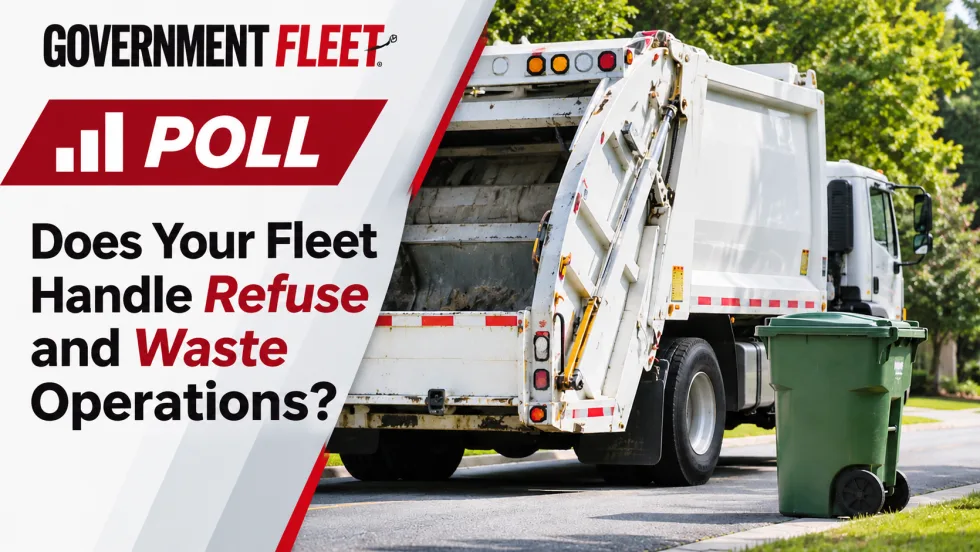
Does Your Government Fleet Handle Refuse and Waste Operations? Take Our Poll
Government Fleet wants to hear from public-sector fleet professionals about their responsibilities for refuse collection and waste management equipment.
Fleet Replacement Decisions, Waste Fleet Technology and the GFX Deadline
Is your next vehicle the right fit, can your records settle a missed pickup dispute, and what could your fleet teach others at GFX 2027?
Is Delaying Fleet Replacement Really Saving Money?
Could delaying replacement cost your fleet more than it saves? This week’s recap takes a closer look, plus an update on GFX 2027.

What Government Fleets Are Missing About Their True Costs
What are fleet budgets missing, and how can agencies use the data they already collect to make a stronger case for change?
Rethinking Fleet Decisions From the Budget Office to the Shop
This October we looked back at how public fleets are reconsidering familiar processes and using what they learn to make better decisions.
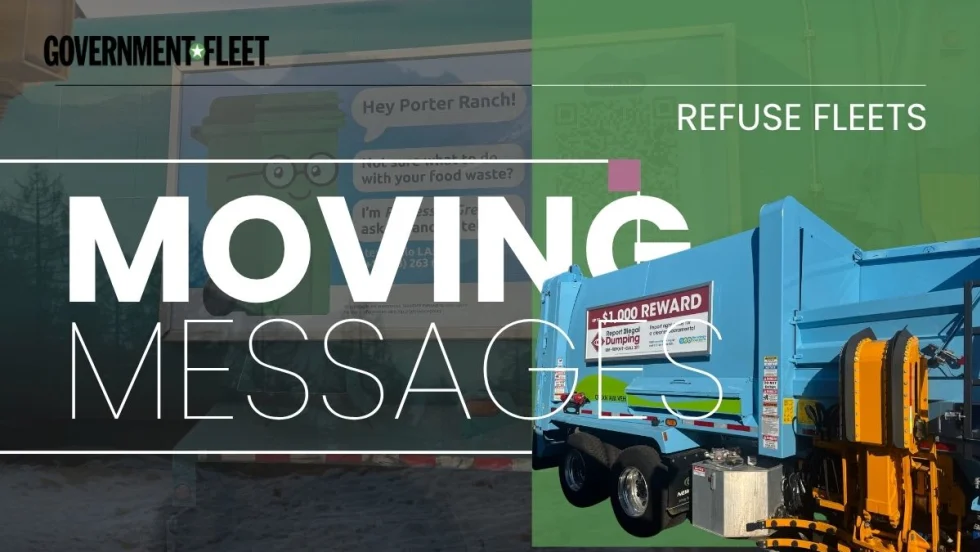
Who Owns the Message on a Refuse Truck?
Refuse trucks can carry public messages into neighborhoods, but keeping those messages current takes planning and clear responsibility.
Who Deserves Fleet Recognition and What Could You Teach at GFX?
Who helped shape your fleet career, and what have you learned that could help someone else?

What’s Haunting Public Sector Fleets?
Public sector fleet challenges rarely happen in isolation, and addressing one often means understanding how it connects to another.
Is Keeping Older Fleet Vehicles Really Saving Money?
Is keeping vehicles longer saving money, and what happens when a diagnostic test points to the wrong fix?