




City of San Marcos Rejects Fire Chief’s Hybrid Truck
SAN MARCOS, TX - The San Marcos Fire Department (SMFD) has come under scrutiny once for requesting high dollar equipment.
SAN MARCOS, TX- The San Marcos Fire Department (SMFD) has again come under scrutiny once again for requesting high dollar equipment, according to the San Marcos Local News.
SMFD Chief Les Stephens' city issued vehicle is up for replacement and the department is requesting a hybrid half-ton full size pick-up crew cab truck amounting to $40,337, reported the Local News.
Councilmember Ryan Thomason brought the matter to light as he pulled the expenditure off of a consent agenda, which could have gained approval without discussion. Instead, a motion by Councilmember John Thomaides to deny the purchase passed, 4-3, with Mayor Susan Narvaiz and Councilmembers Kim Porterfield and Fred Terry dissenting. The council directed city staff to further research alternatives and solicit other bids.
San Marcos Transportation Operations Manager Oscar Hairell said Stephens requested an efficient vehicle for the department that is capable of hauling trailers necessary for fire emergencies. Hairell said there is one other truck available in the fire department to haul trailers, which is used by the battalion chief.
Councilmembers have directed city staff in venturing into purchasing hybrid vehicles when a replacement in necessary. But that directive comes at a higher price, Hairell said.
The agenda item called for $185,349.96 to purchase seven vehicles, six of which were pickup trucks and one utility vehicle. The $40,000 hybrid truck came in $12,000 more expensive than any other vehicle requested and doubled in cost of four of the vehicles.
Earlier this year Stephens, requested money from council to furnish a fire station. The request included $600 chairs and a $4,000 conference table. Though the measure passed, council directed city staff to conduct more diligent research in soliciting bids and finding comparable products at lower prices.
Hairell said the hybrid truck was a logical choice that he "stand(s) by," based on its operational suitability and functionality, adding that it falls under the council's request of lessening the carbon footprint.
Thomaides wanted assurance that the vehicle was, indeed, going to haul trailers and that the vehicle's ability to haul trailers wasn't being offered just as a selling point for making the purchase. Jones went a step further, saying Stephens should be provided with a sedan. Jones said the city's fleet already includes enough trucks.
San Marcos has 498 total assets in fleet vehicles and equipment, including trucks, cars, lawn mowers, generators, and trailers, among others. Six of the vehicles are hybrids, five are powered with liquid propane, 45 use E-85 fuel, 128 use diesel, 326 use regular unleaded gas, and there is one neighborhood electric vehicle. The remainder are trailers and trailer mounting equipment.
Narvaiz said she was confident that the request was in line with council direction.
City staff considered two bids for the hybrid truck. The winning bid came in at $40,337 from Caldwell County Chevrolet. A second bid came in at $41,706.30 from Domingo Vara Chevrolet in San Antonio.
Hairell said part of the elevated pricing is due to the fact that only Chevrolet produces hybrid half-ton trucks, thereby limiting the market.
Council approved the purchases of the other six vehicles by a 6-1 vote, with Jones in opposition.
Griffith Ford San Marcos will provide a half-ton mid size truck with an extended cab at $14,387.48, a half-ton full size truck with an extended cab and a long bed at $21,372.67, a half-ton full size truck with an extended cab and a short bed at $19,157.81, and a hybrid utility vehicle at $27,838.52.
Planet Ford in Caldwell County will provide a half-ton full size truck with an extended cab and short bed at $19,979, and a three-fourth ton full size truck with an extended cab and long bed at $27,890, reported San Marcos Local News.
More Safety
New Partnership Aims to Expand Public Digital Hazard Alert System Statewide
The Hawai’i Department of Transportation (HDOT) is expanding advance digital hazard alerts for the public statewide.
Read More →
New York City Expands Safety Technologies Across Municipal Fleet
Executive Order 19 moves intelligent speed assistance and pedestrian alerts from pilot programs toward standard fleet equipment, offering other public fleets a look at how safety technology can be tested, measured, and scaled.
Read More →
Hidden in Plain Sight: Fleet Compliance Risks
Fleet compliance isn't just about having policies — it's about consistently enforcing them. This practical guide reveals six hidden compliance risks common in public sector and shared fleet operations and outlines proven strategies to improve visibility, accountability, and audit readiness.
Read More →
5 Days Left to Submit Your 2026 Fleet Safety Award Nomination
Know a government fleet, safety, or risk manager who deserves recognition for making fleet operations safer? Nominations are open through Aug. 15.
Read More →
How the First 24 Hours Can Shape a Fleet Crash Response
How a strong accident response process helps government fleets move from the initial report to recovery while building a clearer record for what needs to change next.
Read More →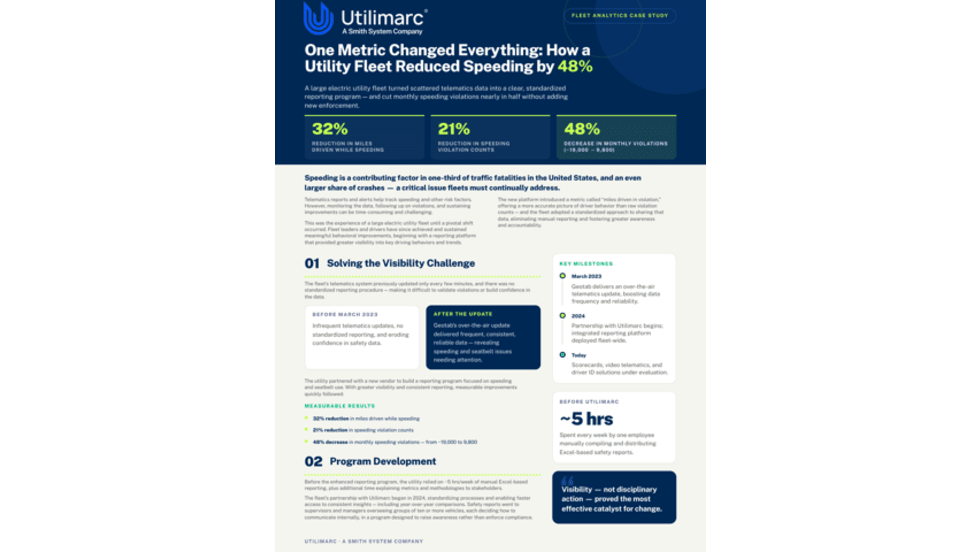
How Better Visibility Cut Speeding Violations by 48%
Fleet leaders don't need more data, they need clearer visibility into what the data is saying. This case study explores how one utility replaced speeding-event counts with a single metric — miles driven in violation — to strengthen safety and significantly reduce speeding violations.
Read More →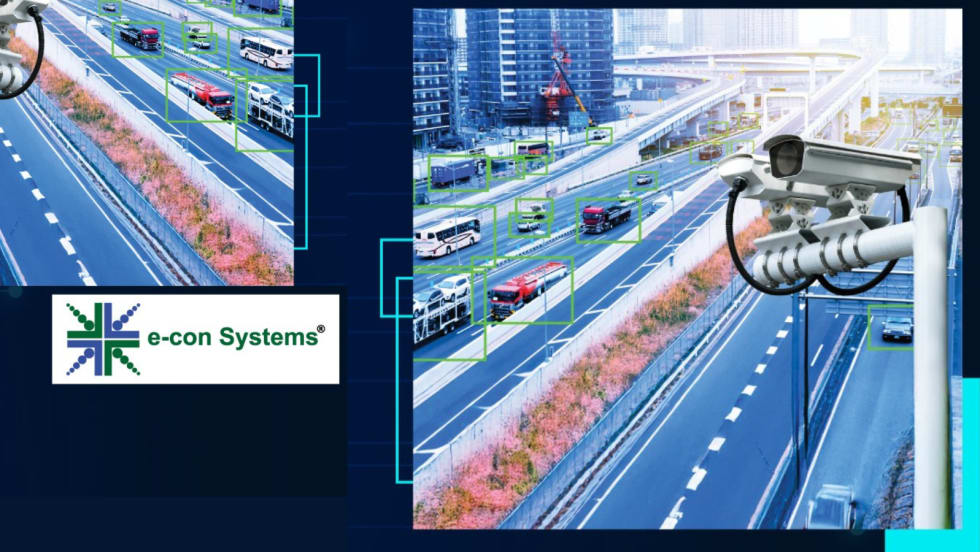
e-con Systems Expands AI Camera Tools for Traffic Monitoring
The systems support license plate recognition, traffic analytics, and video management for transportation agencies.
Read More →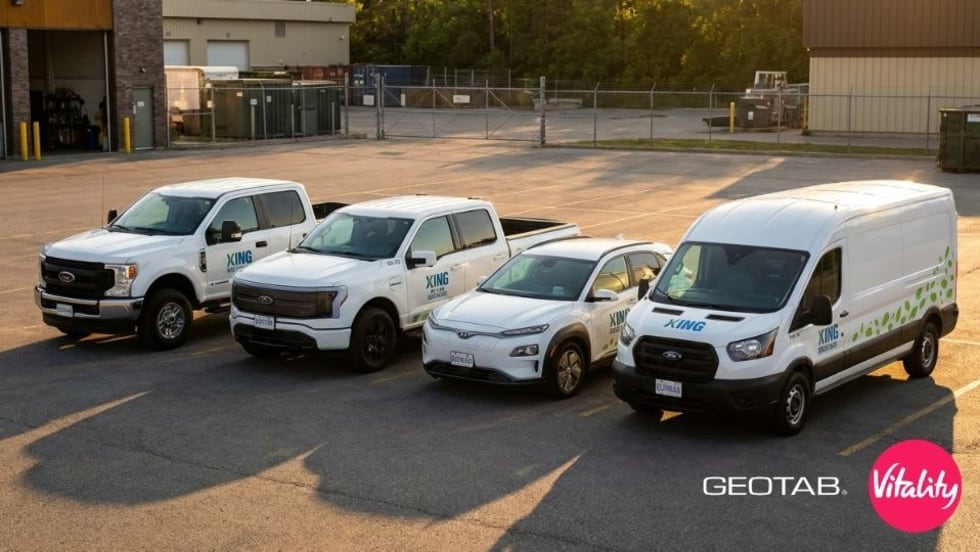
King Township Pilot Links Driver Feedback to Reduced Speeding
How King Township, a best-in-class municipal fleet, reduced speeding by 10.9% and demonstrated a projected 349% ROI by putting safety ownership directly in drivers' hands.
Read More →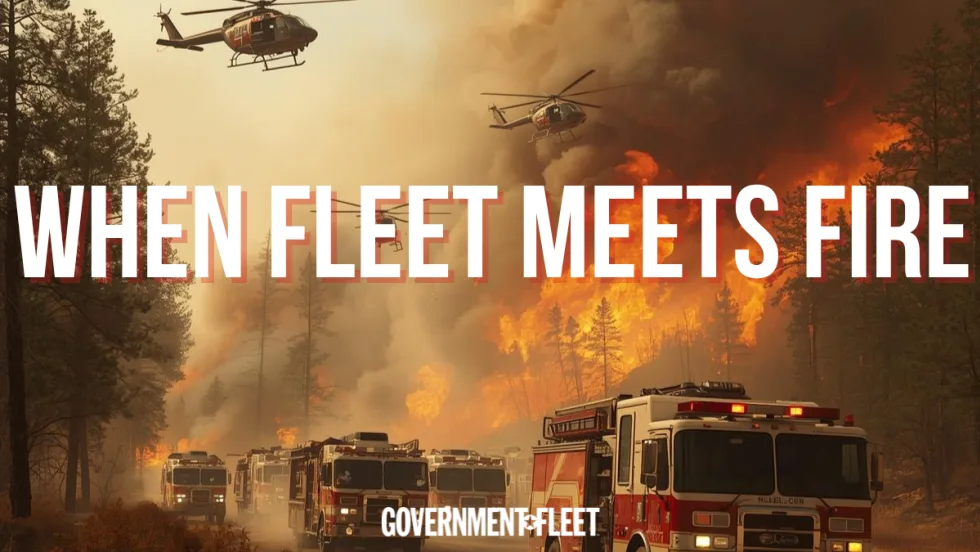
Beyond the Fireline: The Critical Role of Public Fleets in Wildfire Response
Behind every wildfire response is a complex network of vehicles, data, and decisions that must work in sync under extreme pressure. Global heating trends require strong fleet coordination and reliable communications to keep crews safe and operations running smoothly.
Read More →
How AI Is Transforming Public Fleet Safety - Part 1
AI-powered safety systems are helping public fleets tackle distracted driving by delivering real-time coaching and measurable behavior change behind the wheel. In part one of our Q&A, Nauto CEO Stefan Heck explains how agencies can improve safety, reduce costs, and navigate implementation challenges with AI-driven technology.
Read More →