




City Backs Biodiesel Fuel for Garbage Trucks
Windsor's garbage trucks may soon have a decidedly different scent about them, according to the Santa Rosa Press Democrat newspaper on April 8.
SANTA ROSA, CA —- Windsor's garbage trucks may soon have a decidedly different scent about them, according to the Santa Rosa Press Democrat newspaper on April 8. The Windsor Town Council took the first steps toward converting its garbage truck fleet from standard diesel fuel to biodiesel, a clean-burning alternative produced from vegetable and animal oils and recycled restaurant greases. Biodiesel costs more per gallon, and would require increasing garbage rates about 7 percent. That would add about 80 cents a month for the typical 68-gallon garbage can used by residential customers. But town officials figure biodiesel is much more environmentally friendly than other fuels. It cuts down on greenhouse and toxic gases, is biodegradable and can be used in conventional diesel engines with little or no modification. While Windsor would be a pioneer in the use of biodiesel in Sonoma County, Berkeley, Calif. has used it in its municipal fleet since last summer. Olympia, Wash., converted its solid waste collection fleet to biodiesel in January. Some school buses and military vehicles also use it in other parts of the country. The garbage company that serves Windsor currently pays close to $2 a gallon for standard diesel fuel. The 100 percent biodiesel that would be used in the town's garbage trucks can be obtained for $2.71 a gallon, reported the Santa Rosa Press Democrat.
More Operations

How Government Fleets Are Turning Connected Vehicle Data Into Practical Decisions
Public sector fleets are using connected technology to improve visibility, but the bigger challenge is building the processes to act on the information it provides.
Read More →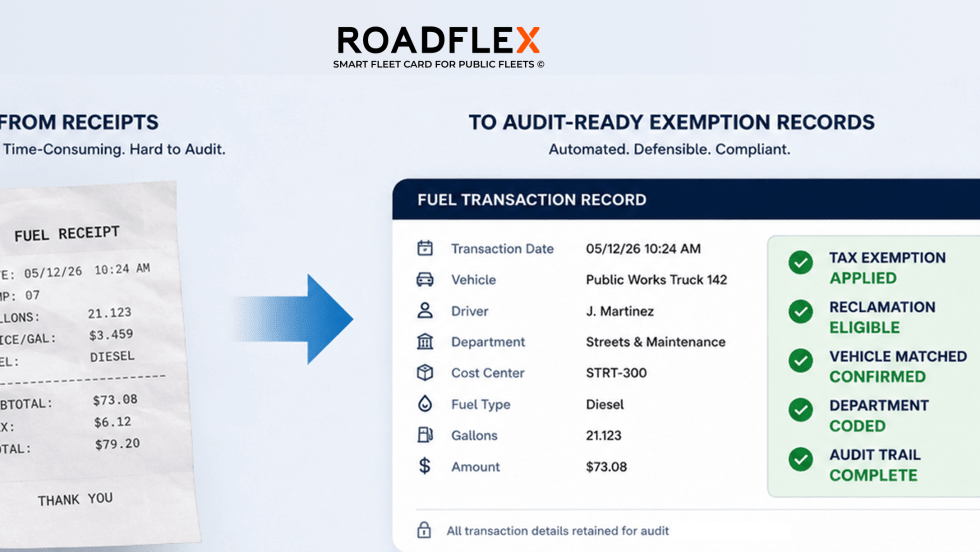
RoadFlex Brings Fuel Tax Compliance and Audit-Ready Reporting to Government, Public Works Fleets
New capabilities aim to help public-sector and public works fleets streamline fuel tax exemptions, reclamation, reconciliation, and audit-ready reporting.
Read More →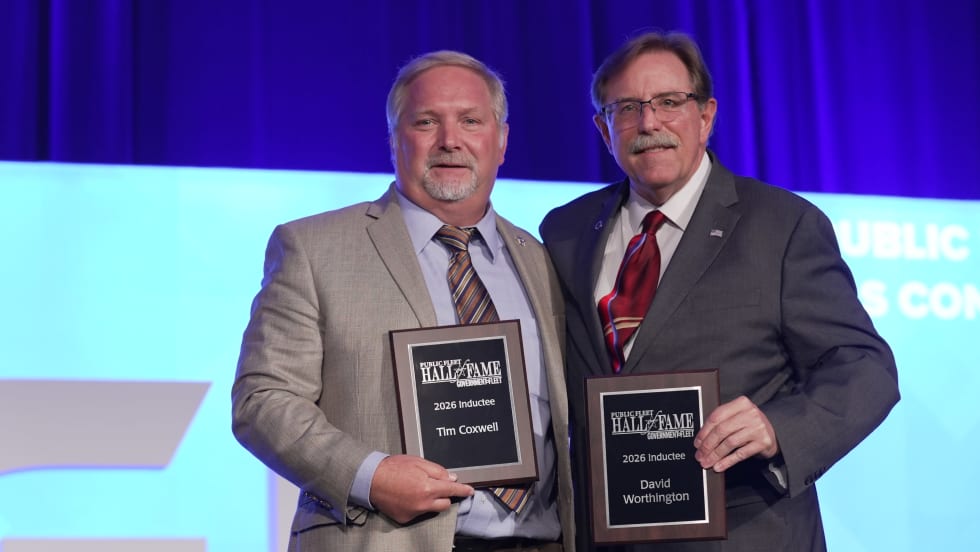
2026 Public Fleet Hall of Fame Inductees Honored
This year's class includes leaders whose work has helped shape the public fleet industry.
Read More →

David Renschler Receives 2026 Legendary Lifetime Achievement Award
Andy Campbell of Sourcewell, which partnered with Government Fleet in presenting the award, recognized Renschler.
Read More →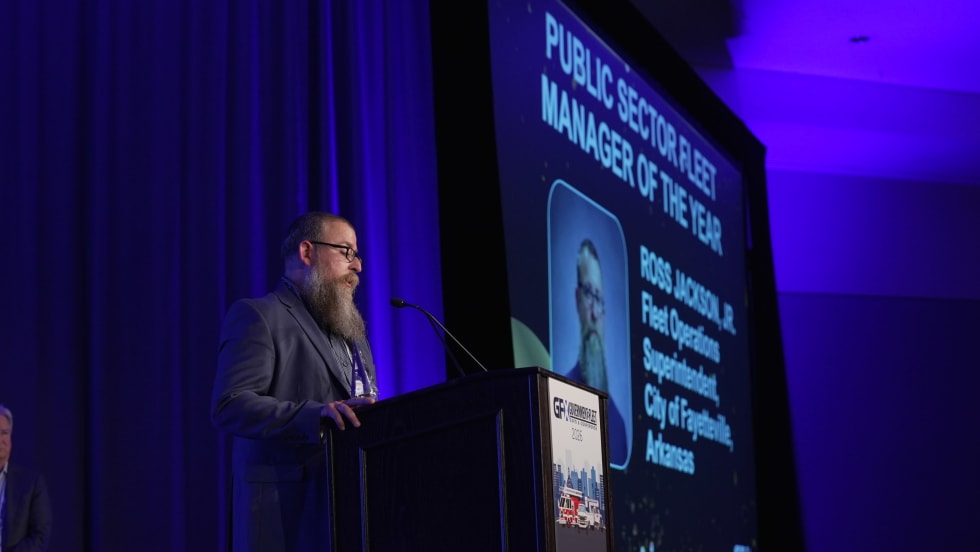
Ross Jackson Jr. Named 2026 Public Sector Fleet Manager of the Year
His leadership, innovation, and commitment to excellence earned him one of the industry's top honors.
Read More →
Public Fleet Professionals Set to Converge as GFX Gets Underway
Known as the largest gathering of public fleet professionals in the nation, GFX will feature in-depth training sessions, emerging fleet technologies, and access to leading suppliers and service providers.
Read More →
The Technician Pipeline: Finding, Keeping, and Promoting Techs Within the Operation
A look at where to find good talent, what fleets are doing to incentivize those techs to stay within the fleet, and what promotion looks like for a technician within the public sector.
Read More →
5 Public Fleet Stories Worth Revisiting Before GFX | The May Dispatch
Public fleet leaders are being asked to prepare for more, communicate better, and make decisions that hold up under pressure.
Read More →
Drive More Profit with Greater Fleet Uptime
Fleet downtime costs money. JASPER helps keep vehicles on the road with quality remanufactured components, fast nationwide delivery, and reliable solutions that boost uptime and profitability.
Read More →
Are You Tracking Your Fleet's True Total Cost of Ownership?
Bobit Business Media surveyed 190 fleet professionals and found that while most fleets are tracking costs, fragmented systems and data gaps are keeping true TCO visibility out of reach. With rising pressure to control spend in an increasingly volatile environment, the gap between what fleets think they know and what the data actually shows is wider than you might expect. See how your peers are managing costs today and where the industry still has room to improve.
Read More →