





Don't Miss: Catalytic Converter Theft Crisis: 6 Preventive Measures You Can Take
Catalytic Converter Theft Ring Targeted
Federal, state, and local authorities make arrests, seize property across the U.S.
November 8, 2022

A sting operation by the U.S. Department of Justice resulted in the arrest of 21 people, with millions of dollars in assets, such as homes, bank accounts, cash, and luxury vehicles seized.
Photo: Canva/Government Fleet
2 min to read
The U.S. Justice Department announced it worked with local and state authorities to execute a series of arrests and seizures in an effort to take down what it called a national network of suspected catalytic converter thieves and associates.
The sting, which took place in nine states across the country, resulted in the arrest of 21 people, and the Justice Department said it seized millions of dollars in assets, such as homes, bank accounts, cash, and luxury vehicles.
Attorney General Merrick B. Garland said in a press release that “amidst a rise in catalytic converter thefts … we will continue to work alongside our state and local partners to disrupt criminal conspiracies like this one that target the American people.”
Catalytic converter thefts have surged as thieves have targeted the valuable precious metals contained in the component of vehicles’ exhaust systems intended to reduce pollutants. Some of the metals have more value per ounce than gold, the Justice Department said in its press release on the sting.
California has been a particular target of catalytic converter thieves due to its higher emissions standards, said U.S. Attorney Phillip Talbert of the Eastern District of California.
“Last year approximately 1,600 catalytic converters were reportedly stolen in California each month, and California accounts for 37% of all catalytic converter theft claims nationwide,” Talbert said in the press release. “I am proud to announce that we have indicted nine people who are at the core of catalytic theft in our community and nationwide.”
This story was originally posted on Auto Dealer Today.
More Operations

Hazard Alerts, Fleet Car Sales Rise and a New Shuttle Concept
Fleet car sales doubled, but the bigger picture tells a different story in this week’s roundup.
Read More →
How St. Johns County Turned Fleet Data Into Better Replacement Decisions
St. Johns County, Florida, had fleet data, but turning it into reliable decision guidance was another matter. Instead of starting over with a new fleet management system, the county connected existing tools and built a scoring system that gives managers an objective look at fleet health.
Read More →
Fleet Forward Conference Introduces One-Day Passes for 2026
New one-day registration lets fleet professionals attend Tuesday, Wednesday, or Thursday, with passes available for $249.
Read More →
ENC Unveils its ZAVIR Medium-Duty Shuttle
Two variants of the concept shuttles were revealed: a low-floor configuration and a high-floor configuration.
Read More →
Could Your Next Fleet Technician Start as an Intern?
What if your next technician hasn’t worked in a fleet shop yet? What fleets are doing to free up time.
Read More →
How Phoenix Is Building Its Next Generation of Fleet Technicians
With more than 8,000 vehicles and pieces of equipment to maintain, the City of Phoenix could not afford to wait for fully trained technicians to walk through the door. Instead, they revamped their entire workforce strategy and showed how public fleets can create their own talent pipeline while preparing existing employees for increasingly complex vehicles.
Read More →
What’s Slowing Your Fleet Down?
Could a change in how work gets done help your fleet return vehicles to service sooner?
Read More →
Can Public Fleets Trust the Data Driving Their Decisions?
Public fleets have more data than ever, but inconsistent records and missing information can still undermine maintenance, replacement, and cost decisions.
Read More →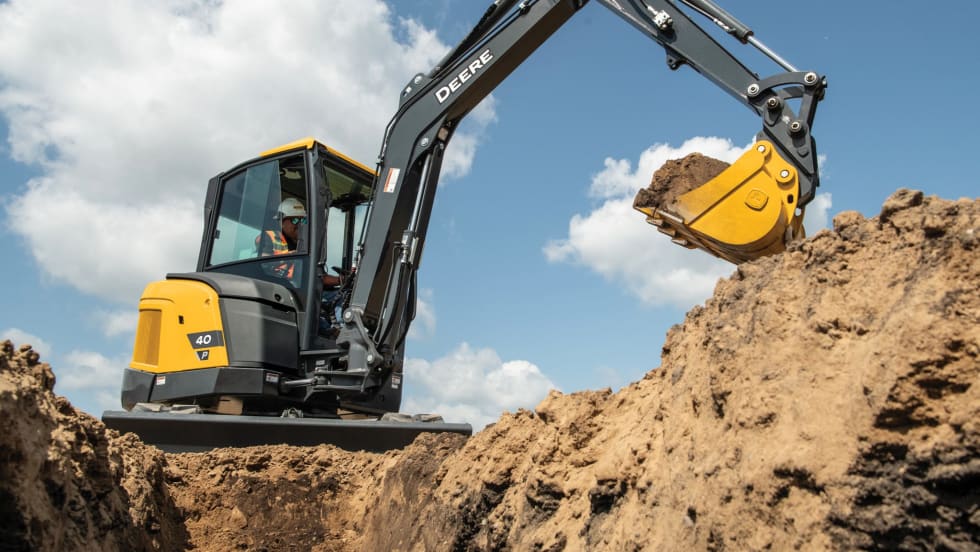
John Deere Introduces 40 P-Tier Compact Excavator
John Deere is adding a compact excavator designed for crews that need to move equipment between jobsites and handle multiple types of work with one machine. The 40 P-Tier weighs less than 10,000 pounds and offers configurable hydraulics, attachment options, and connected fleet-management capabilities.
Read More →
How Leading Fleets Improve and Why Business Plans Matter
This week, we look at what past Leading Fleet winners can teach us about making progress, plus how to build a business plan your fleet will actually use.
Read More →