




Cape May Co. Installs LoJack on Fleet Vehicles
CAPE MAY COUNTY, NJ – Cape May County Sheriff's Office is equipping and training officers to use the LoJack System for tracking stolen motor vehicles, according to the Cape May County Herald.
CAPE MAY COUNTY, NJ – Cape May County Sheriff's Office is equipping and training officers to use the LoJack System to allow officers to track stolen motor vehicles, according to the Cape May County Herald.
The Cape May County Sheriff's Office installed the LoJack system in five fleet vehicles June 4 at the Cape May County Police Academy. This equipment and installation has been donated free of charge by the company, reported the Herald.
"With the LoJack System, when a vehicle theft is reported to the police, a routine entry into the state police crime computer results in a match of the LoJack System's unique code against the state VIN database. This automatically activates the LoJack Unit in a vehicle, which emits an inaudible signal," explained Sheriff Schaffer. "Law enforcement authorities who are equipped with LoJack Police Tracking Computers-in their sheriff's cars and aviation units-are always listening for a LoJack signal."
Schaffer said it has been a win for taxpayers and his department. "At no cost, we obtain state of the art equipment to supplement our vehicles that travel the county roadways everyday enabling the officers to pick up signals of stolen vehicles and apprehend the criminal."
More Safety
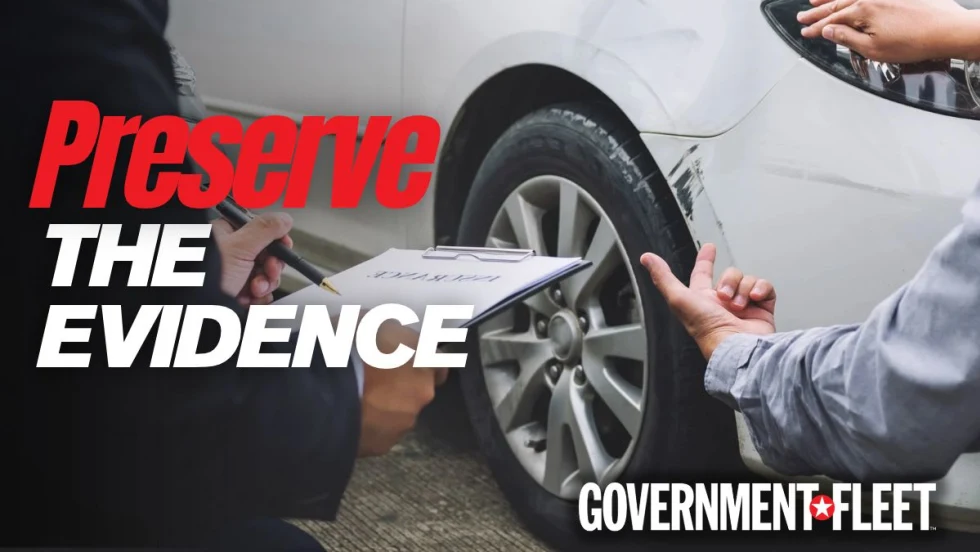
What Public Fleets Should Document and Preserve After a Collision
Dashcam footage can be overwritten, witnesses can leave, and repairs can erase evidence. What should public fleets document and preserve before that information is lost?
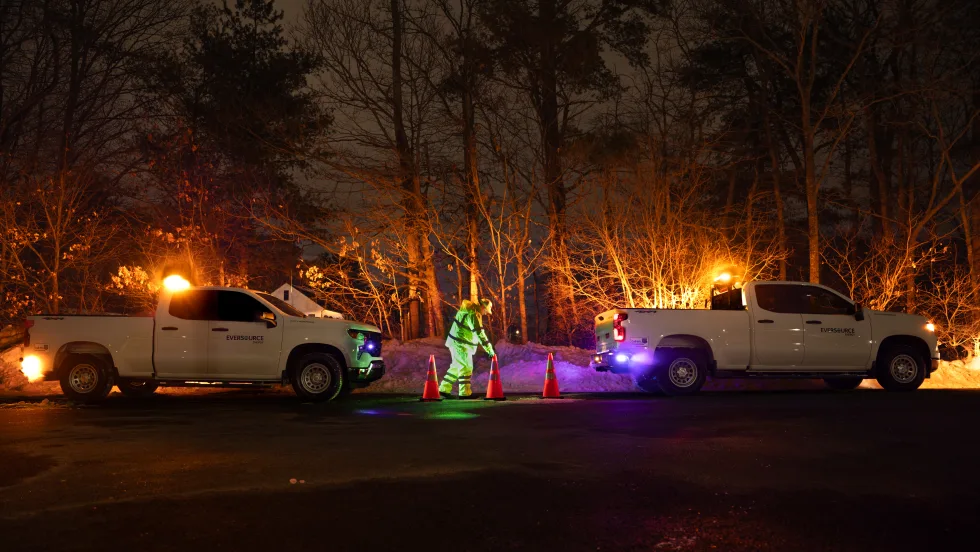
Enhanced Worker Safety Through UV Lighting Technology
An examination of how ultraviolet (UV) perimeter lighting can improve the visibility of workers wearing high-visibility apparel and safety equipment in low-light environments. When paired with durable optical materials and effective light distribution, UV illumination offers a complementary approach to reducing worker exposure risks near traffic and equipment.
New Partnership Aims to Expand Public Digital Hazard Alert System Statewide
The Hawai’i Department of Transportation (HDOT) is expanding advance digital hazard alerts for the public statewide.

New York City Expands Safety Technologies Across Municipal Fleet
Executive Order 19 moves intelligent speed assistance and pedestrian alerts from pilot programs toward standard fleet equipment, offering other public fleets a look at how safety technology can be tested, measured, and scaled.
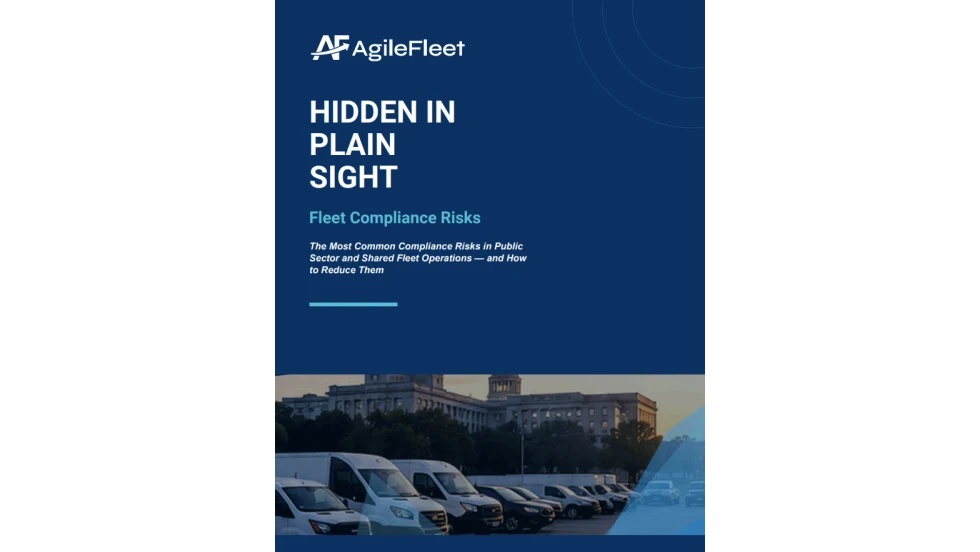
Hidden in Plain Sight: Fleet Compliance Risks
Fleet compliance isn't just about having policies — it's about consistently enforcing them. This practical guide reveals six hidden compliance risks common in public sector and shared fleet operations and outlines proven strategies to improve visibility, accountability, and audit readiness.

5 Days Left to Submit Your 2026 Fleet Safety Award Nomination
Know a government fleet, safety, or risk manager who deserves recognition for making fleet operations safer? Nominations are open through Aug. 15.
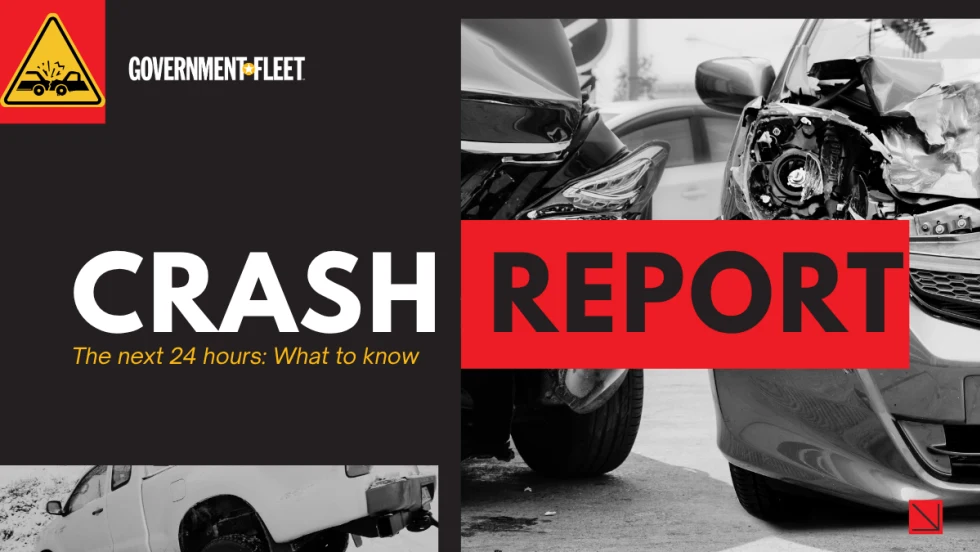
How the First 24 Hours Can Shape a Fleet Crash Response
How a strong accident response process helps government fleets move from the initial report to recovery while building a clearer record for what needs to change next.
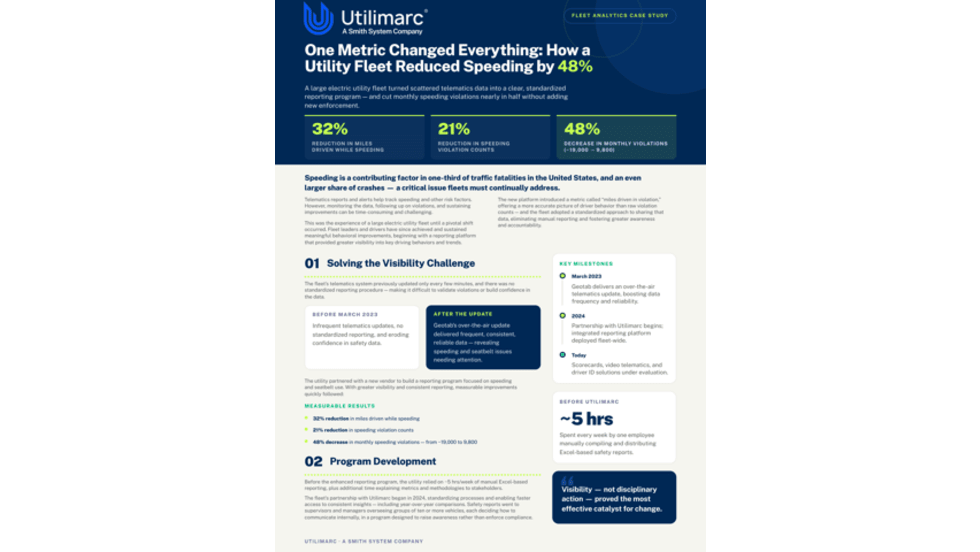
How Better Visibility Cut Speeding Violations by 48%
Fleet leaders don't need more data, they need clearer visibility into what the data is saying. This case study explores how one utility replaced speeding-event counts with a single metric — miles driven in violation — to strengthen safety and significantly reduce speeding violations.
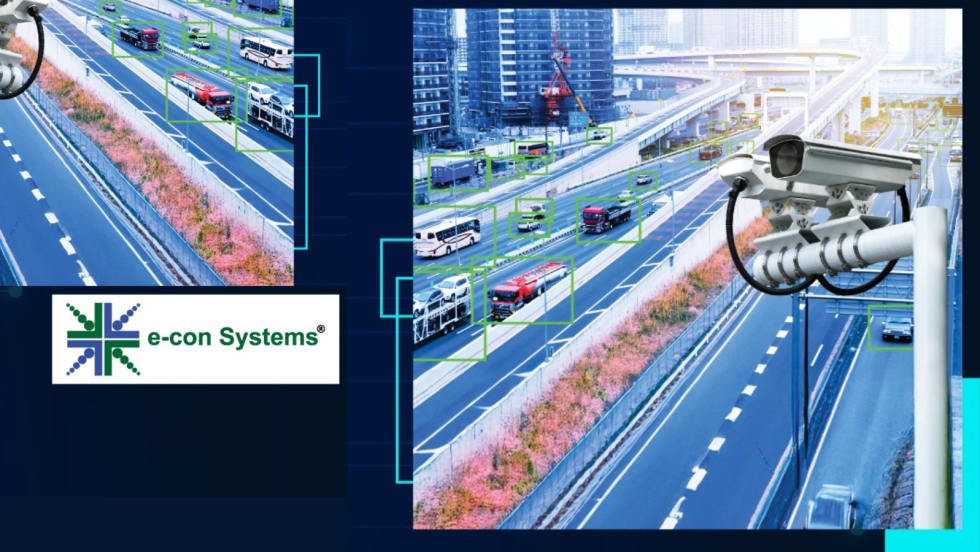
e-con Systems Expands AI Camera Tools for Traffic Monitoring
The systems support license plate recognition, traffic analytics, and video management for transportation agencies.

King Township Pilot Links Driver Feedback to Reduced Speeding
How King Township, a best-in-class municipal fleet, reduced speeding by 10.9% and demonstrated a projected 349% ROI by putting safety ownership directly in drivers' hands.