




California Fines City of Pasadena Over Fleet Diesel Vehicle Inspections
PASADENA, CA – The California Air Resources Board officials have slapped Pasadena with the $23,250 fine for not properly inspecting emissions from its fleet of diesel vehicles.
PASADENA, CA – The California Air Resources Board officials have slapped Pasadena with the $23,250 fine for not properly inspecting emissions from its fleet of diesel vehicles, according to the Pasadena Star-News.
However, the Air Resources Board spokesman said the one-time violation doesn’t mean the city’s fleet is emitting excessive pollution. Rather, the city failed to keep 2005 inspection records updated for its fleet of Public Works Department diesel vehicles.
However, the city had been extremely cooperative in fixing the problem, according to the report. The board initially charged Pasadena a higher fine, but it was reduced by 25 percent as part of a settlement. Several city employees also were required to attend diesel emissions classes.
City public information officer Ann Erdman said the violation was the result of a combination of an inspector leaving the city’s employ and a paperwork mix-up. The city has already paid the fine, and the employees have completed the classes.
The violation came from records that were missing for 2005. The city did provide complete records for 2006. In September 2006, the City Council passed a “Green Cities Declaration,” announcing Pasadena’s desire to become a “five-star” green city under the United Nations’ Green Cities Declaration classification system.
Pasadena’s $23,250 fine will go to good use, at least. About $17,000 of Pasadena’s $23,250 fine will go to the California Air Pollution Control Fund, with the rest going to the Peralta Community College District to fund emission education.
More Operations

Could Your Next Fleet Technician Start as an Intern?
What if your next technician hasn’t worked in a fleet shop yet? What fleets are doing to free up time.
Read More →
What’s Slowing Your Fleet Down?
Could a change in how work gets done help your fleet return vehicles to service sooner?
Read More →
Can Public Fleets Trust the Data Driving Their Decisions?
Public fleets have more data than ever, but inconsistent records and missing information can still undermine maintenance, replacement, and cost decisions.
Read More →
How Phoenix Is Building Its Next Generation of Fleet Technicians
With more than 8,000 vehicles and pieces of equipment to maintain, the City of Phoenix could not afford to wait for fully trained technicians to walk through the door. Instead, they revamped their entire workforce strategy and showed how public fleets can create their own talent pipeline while preparing existing employees for increasingly complex vehicles.
Read More →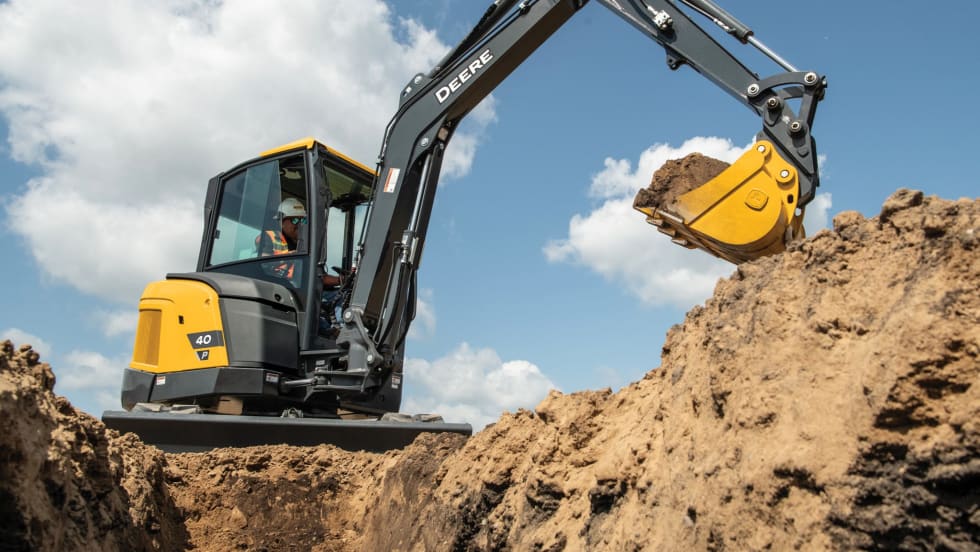
John Deere Introduces 40 P-Tier Compact Excavator
John Deere is adding a compact excavator designed for crews that need to move equipment between jobsites and handle multiple types of work with one machine. The 40 P-Tier weighs less than 10,000 pounds and offers configurable hydraulics, attachment options, and connected fleet-management capabilities.
Read More →
How Leading Fleets Improve and Why Business Plans Matter
This week, we look at what past Leading Fleet winners can teach us about making progress, plus how to build a business plan your fleet will actually use.
Read More →
Nominate a Fleet Leader for the 2027 Public Fleet Hall of Fame
Do you know a fleet leader who has made a lasting impact on the industry? Nominate this fleet professional for the 2027 Public Fleet Hall of Fame.
Read More →
Why Fleet Business Plans Need Three Perspectives
A fleet business plan should help agency leaders understand the fleet’s value, give the organization a clear direction, and establish shared expectations with customer departments.
Read More →
How Oil Analysis, Safety Technology, and Fleet Awards Drive Improvement
What happens when fleets let measured results guide their next decision?
Read More →
Emergency Response, Fleet Sales and New Technology
This week’s fleet news covers emergency preparedness, shifting vehicle sales, electric truck investments, and new tools for monitoring road conditions.
Read More →