




BRINC, Echodyne Partner to Simplify Drone as First Responder Programs
The partnership will integrate BRINC’s Drone as First Responder solution with Echodyne’s ground-based radars to enable a path toward Beyond Visual Line of Site operations without Visual Observers.


The partnership with Echodyne will add a layer of safety and reliability while providing a path for BRINC’s customers to meet the stringent FAA requirements for BVLOS operations without a visual observer.
Photo: BRINC
BRINC, a provider of drone technology for first responders, is partnering with Echodyne, a company that offers ground-based radar systems. The collaboration will integrate Echodyne’s MESA radar technology into BRINC’s purpose-built Drone as First Responder (DFR) solution.
The relationship enables a path toward beyond-visual line of sight (BVLOS) operations without visual observers, advanced airspace awareness for safer operations, and lowers the barrier to entry for public safety agencies looking to start or expand DFR programs.
The Benefits of DFR Systems for Fleets
DFR systems significantly lower emergency response times and enable more informed decision-making for first responders. By giving law enforcement officers and other responders a view of developing scenes before arriving, DFR systems allow them to determine the safest response method.
They also allow first responders to decide whether to deploy additional aid like specialty vehicles.
Aiding in Potential DFR Barriers

BRINC Integrates Echodyne’s hardware to send radar readings to an agency’s connected LiveOps account. From LiveOps, agencies can simultaneously view their drone operations, ADS-B data, airspace advisories, weather conditions, and radar data.
Photo: BRINC
Current FAA regulations require a visual observer to be onsite for drone operations to monitor flights. This limits drones, flexibility, and operating times for emergency response operations.
It can also put a strain on staffing when public safety agencies across America are understaffed. DFR requires extended range and operation in obstructed environments and inclement weather.
BVLOS waivers are essential for successful DFR implementation. The partnership with Echodyne will add a layer of safety and reliability while providing a path for BRINC’s customers to meet the stringent FAA requirements for BVLOS operations without a visual observer.
“By combining BRINC’s drone technology with Echodyne’s advanced radar, we are creating a safe, robust, and reliable solution for first responders to deploy 911 response drones autonomously to emergencies,” BRINC CEO Blake Resnick said.
Echodyne’s radar systems offer continuous monitoring and real-time data on the drone's surrounding environment, including the location of other aircraft, obstacles, and dynamic changes that can occur at a moment's notice, according to a news release.
“Echodyne radars have been used for years by UAS centers of excellence, as well as FAA and NASA testing programs,” Echodyne CEO Eben Frankenberg said. “DFR represents a unique opportunity to introduce widescale BVLOS operations, and radars are the ideal sensor to provide detailed and accurate airspace situational awareness.”
How the Tech Integration Works
As part of BRINC’s DFR offering, BRINC Integrates Echodyne’s hardware to send radar readings to an agency’s connected LiveOps account. From LiveOps, agencies can simultaneously view their drone operations, ADS-B data — which shows an aircraft's position and identity — airspace advisories, weather conditions, and radar data.
The Echodyne addition provides an all-in-one view of the surrounding airspace, enabling automated LiveOps triggers to inform pilots of potential dangers. It also enables the automated grounding or rerouting of drones to avoid air traffic.
More Police

Ford Pro Introduces Full-Size 2028 Expedition Police Responder
Ford Pro gave law enforcement customers a first look at the pursuit-rated utility during Police Fleet Expo.
Read More →
Paterson Police Expand Drone Fleet, Launch Real-Time Operations Center
The Paterson Police Department has expanded its drone program and opened a new Real-Time Operations Center designed to support emergency response and incident management. The initiative integrates multiple technologies to provide officers with real-time information during investigations and public safety operations.
Read More →
Why Public Fleet Success Depends on More Than the Vehicles
Tim Coxwell of the Leon County Sheriff’s Office discusses the projects shaping his fleet operation, including long-term work around vehicle selection, greenhouse gas emissions, and cost per mile.
Read More →
Havis Acquires Pro-gard Products
The acquisition brings together two manufacturers of public safety vehicle equipment under one company. Havis says the move expands its portfolio of products for outfitting law enforcement vehicles and other public safety fleets.
Read More →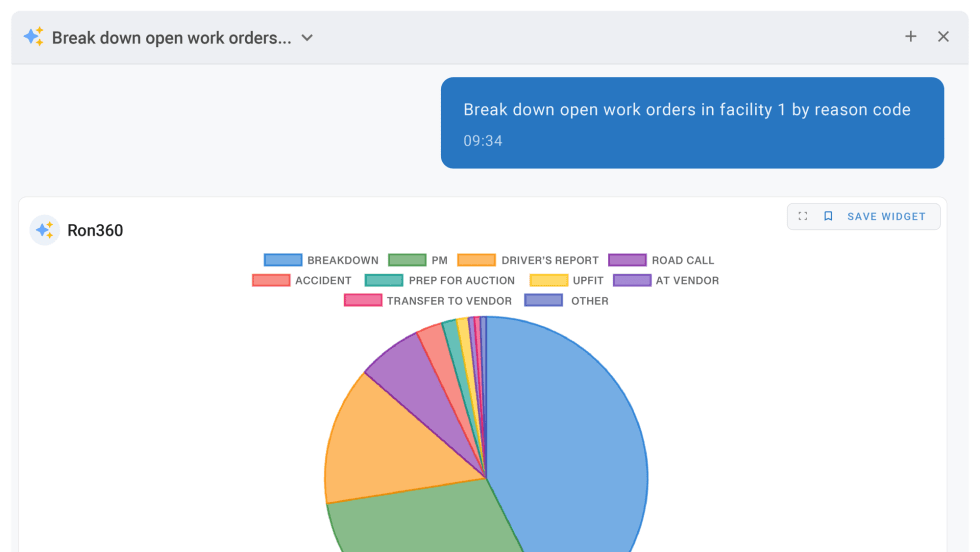
RTA Fleet Introduces AI Assistant for Fleet360 Platform
As artificial intelligence continues to gain traction across public-sector operations, fleet software providers are finding new ways to incorporate the technology into everyday workflows. RTA's latest addition aims to simplify how users interact with fleet data.
Read More →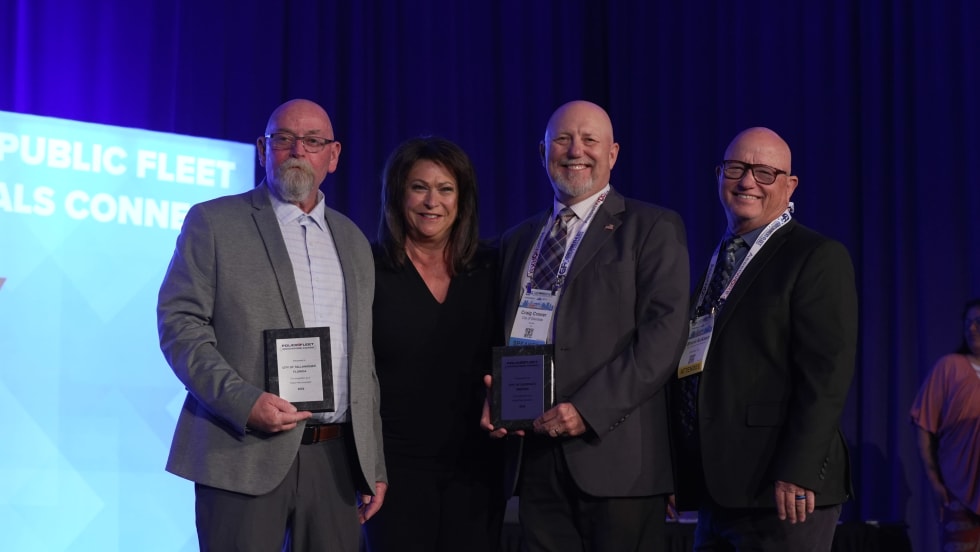
2026 Police Fleet Innovators Named
Meet the professionals finding new ways to solve some of law enforcement's toughest fleet challenges.
Read More →
Rynse Expands Nationwide Fleet Wash Access for Law Enforcement
The North Carolina Sheriff’s Association Contract Cooperative purchasing contract aims to streamline procurement process for law enforcement agencies across the U.S.
Read More →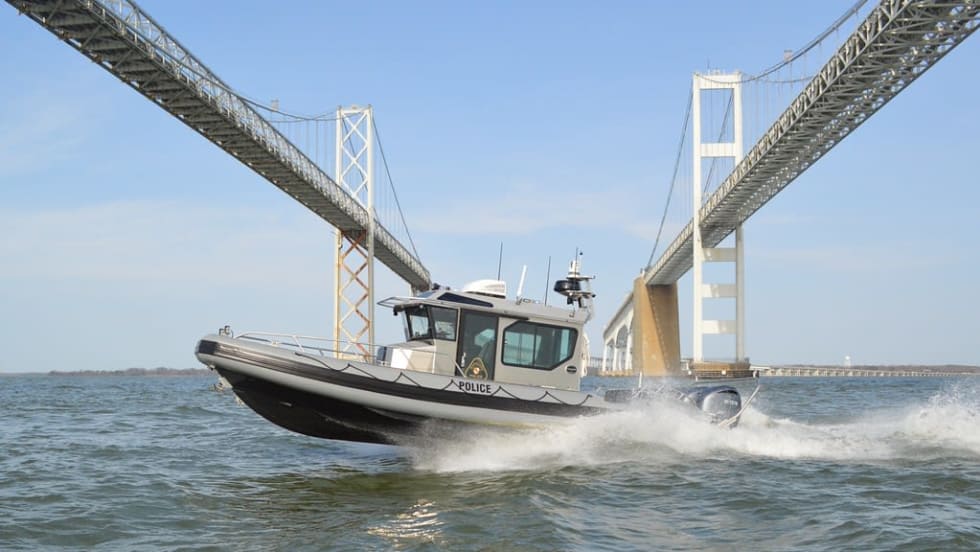
Maryland Natural Resources Police Adds 31-Foot Patrol Boat to Enforcement Fleet
A new addition to Maryland’s marine enforcement fleet is bringing expanded capabilities to Chesapeake Bay operations while honoring a legacy within the agency. The high-performance patrol vessel reflects how law enforcement fleets are adapting to growing demands on the water.
Read More →
LEHR Expands Florida Presence With Enforcement One Acquisition
LEHR has acquired Florida-based emergency vehicle upfitter Enforcement One, marking its eighth add-on acquisition.
Read More →
Maryland’s Wicomico County Sheriff Adds Mustang GT Patrol Vehicles
The agency is also working with the Maryland Police Training Commission on a specialized high-performance driving course for deputies assigned to the vehicles.
Read More →