





Similar Content: Battle Motors Launches Path To Class 7, 8 Truck Electrification
Battle Motors Announces $150 Million Capital Raise
Battle Motors has announced FMVSS certification for its EV truck line.
September 6, 2022
2 min to read
Battle Motors, formerly Crane Carrier Company (CCC), announced it has completed a Series B investment round with $150 million in new growth capital from a cornerstone global institutional investor. This capital raise follows a $120 million Series A investment round announced in December 2021.
“We have validated our strategic growth initiatives and the attractive sector fundamentals while identifying additional market opportunity,” said Michael Patterson, CEO of Battle Motors.
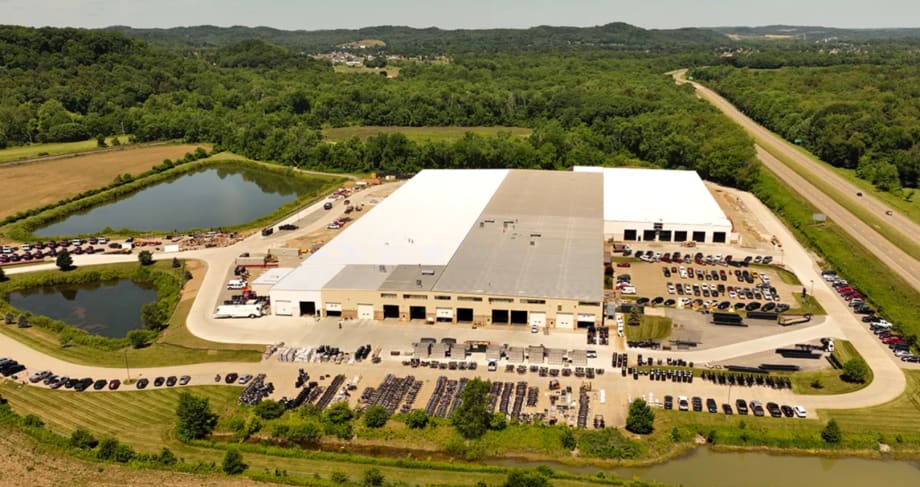
Since acquiring CCC in 2021, the company has grown production throughput its Ohio manufacturing facility from [less than] one truck per day to its current daily throughput of [approximately] six trucks per day through increased automation, expanded floorspace to 325,000 square-feet, and nearly tripling its workforce to 300 employees.
“Challenging ourselves to learn from adversity and to be better every single day has built the exceptional team necessary to reach all our goals. Now we have the manufacturing facility to match,” said COO Cody Boggs.
Battle Motors also announced its FMVSS certification for its EV truck line. Along with the EV rollout, Battle Motors has developed a “Smart Cab” platform, which has Advanced Driver-Assistance Systems (ADAS) and a proprietary connectivity software system, RevolutionOS, designed to deliver data to drivers and fleet managers for enhanced safety, efficiency, and security.
Battle Motors is delivering its Class 8 severe-duty electric truck to refuse customers. The company serves over 750 municipal customers through 180 dealers in more than 320 locations across the United States and Canada.
“Receiving FMVSS certifications and moving into production on our first EV model validates our team’s perseverance in creating revolutionary innovations and expanding our EV capabilities allows us to create even more disruptive technologies to deliver to the market,” said CTO Kelleigh Ash.
The proceeds from this capital raise will be used to expand production throughput to 16 trucks per day, fulfill existing order backlog, expand EV manufacturing capabilities, and general corporate purposes.
BTIG, LLC served as financial advisor to Battle Motors in connection with the capital raise.
More Operations

ENC Unveils its ZAVIR Medium-Duty Shuttle
Two variants of the concept shuttles were revealed: a low-floor configuration and a high-floor configuration.
Read More →
Could Your Next Fleet Technician Start as an Intern?
What if your next technician hasn’t worked in a fleet shop yet? What fleets are doing to free up time.
Read More →
How Phoenix Is Building Its Next Generation of Fleet Technicians
With more than 8,000 vehicles and pieces of equipment to maintain, the City of Phoenix could not afford to wait for fully trained technicians to walk through the door. Instead, they revamped their entire workforce strategy and showed how public fleets can create their own talent pipeline while preparing existing employees for increasingly complex vehicles.
Read More →
What’s Slowing Your Fleet Down?
Could a change in how work gets done help your fleet return vehicles to service sooner?
Read More →
Can Public Fleets Trust the Data Driving Their Decisions?
Public fleets have more data than ever, but inconsistent records and missing information can still undermine maintenance, replacement, and cost decisions.
Read More →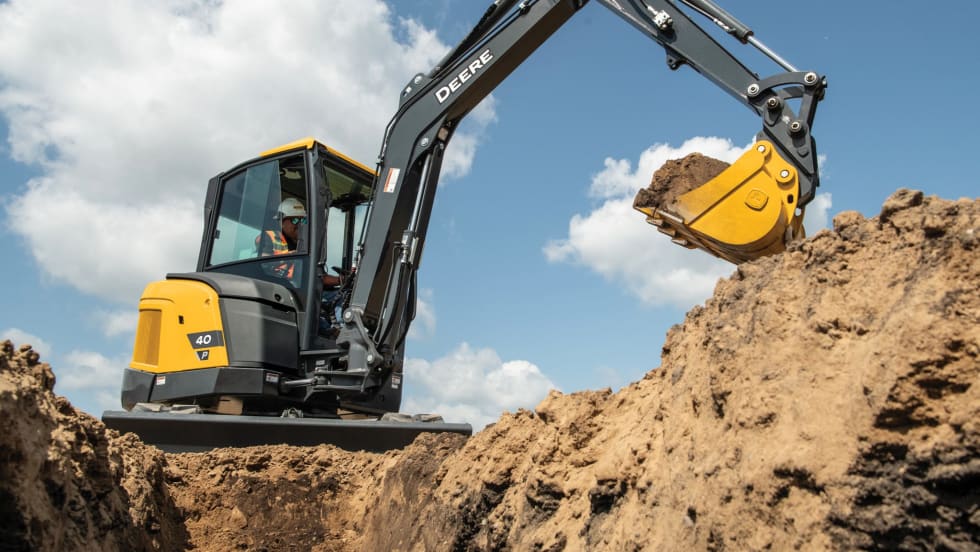
John Deere Introduces 40 P-Tier Compact Excavator
John Deere is adding a compact excavator designed for crews that need to move equipment between jobsites and handle multiple types of work with one machine. The 40 P-Tier weighs less than 10,000 pounds and offers configurable hydraulics, attachment options, and connected fleet-management capabilities.
Read More →
How Leading Fleets Improve and Why Business Plans Matter
This week, we look at what past Leading Fleet winners can teach us about making progress, plus how to build a business plan your fleet will actually use.
Read More →
Nominate a Fleet Leader for the 2027 Public Fleet Hall of Fame
Do you know a fleet leader who has made a lasting impact on the industry? Nominate this fleet professional for the 2027 Public Fleet Hall of Fame.
Read More →
Why Fleet Business Plans Need Three Perspectives
A fleet business plan should help agency leaders understand the fleet’s value, give the organization a clear direction, and establish shared expectations with customer departments.
Read More →
How Oil Analysis, Safety Technology, and Fleet Awards Drive Improvement
What happens when fleets let measured results guide their next decision?
Read More →