




Baltimore FD Proposes Options for Fire Fleet Replacement
In December, the department reported that it is operating with 30% fewer fire engines than it needs to properly cover the city.

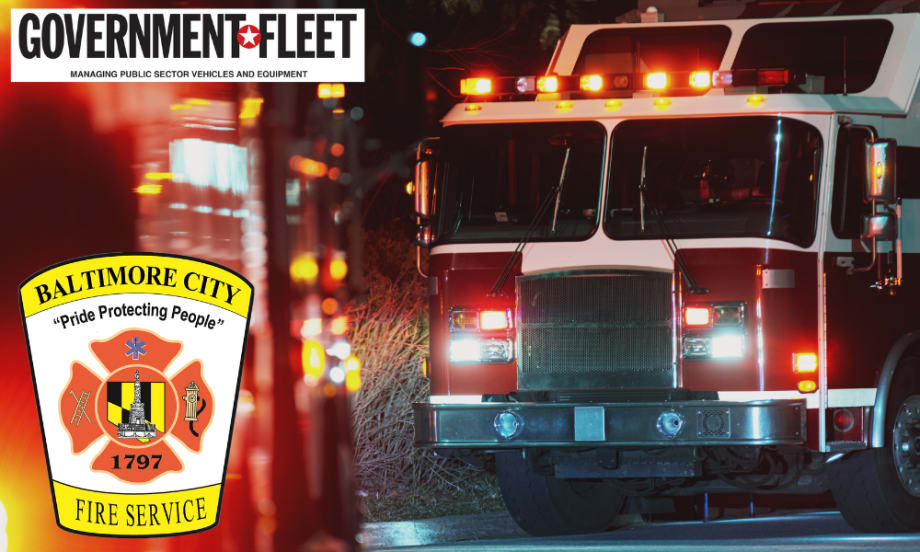
The Baltimore City Fire Department needs new vehicles for its fleet. If its maintains its current fleet replacement plan, it will lose more vehicles annually than it can afford to.
Photo: Canva/Baltimore City Fire Department/Government Fleet
The Baltimore City Fire Department needs new fire trucks for its fleet. The department proposed three different options on ways to recoup its fleet to the Baltimore City Council.
Not Enough Fire Trucks
Last month, the department reported that it is operating with 30% fewer fire engines than it needs to properly cover the city, WYPR reported. Joshua Fannon, president of the Baltimore Fire Officers Association, told the council's public safety and government operations committee that some of its stations are not permanently staffed. It's not due to staffing issues; rather, he said it's due to not having enough fire apparatus for the stations.
The department is slated to receive three new engines and three new trucks in the first half of 2023. In a slideshow presentation to the committee last month, Fannon explained that prior to the pandemic, the average production times for fire engines and fire trucks were nine months and 12 months, respectively. Labor shortages have brought the production times up to between two and three and a half years, Fannon said.
EMS transport unit production times are based on the availability of commercial chassis. Baltimore has had 20 EMS transport units on order for more than a year, waiting for chassis to become available. Government Fleethas previously reported on other departments urging local and state leaders to create legislation prioritizing the production of chassis for emergency response vehicles.
After Fannon's presentation, a city councilmember requested the department file a report on what it would take for the department to get back to a healthy fleet, with the new trucks, engines, and EMS transport vehicles being delivered taken into consideration. The department's current budget is $24 million.
Here are the three options:
stay at the same funding level, leading the fleet to dwindle;
add $7.5 million per year for moderate growth and a perfectly healthy fleet in 10 years; or
add $15 million per year to fix the fleet in five years.
Fleet Replacement Goal
In 2015, the fire department initiated an apparatus replacement initiative, with the goal of eventually having a fleet with all first-line engines and trucks being less than 10 years old and EMS transport units being less than three years old. To maintain that goal, the city would need to purchase four engines, two trucks, one specialty unit, and 10 EMS transport units each year.
That would, in turn, lengthen the life expectancy of the department's reserve fleet. Once the department receives its engines, trucks, and EMS transport vehicles it has on order, it will have its youngest first-line fleet in nearly 100 years. Still, the department reported that it cannot keep up with the its need.
One of the main issues the department faces, according to WYPR, is aging vehicles. They lead to more maintenance and time off-duty.
If the city continues with its current budget, the department will lose an average of six vehicles per year, according to the replacement requirements memo, obtained by WYPR.
The current plan replaces two lader trucks, four engines, and eight ambulances annually. If the department continues with this plan, it would be dangerous for firefighters and for the city. The average age of the vehicles in the fleet would also continue to increase.
Industry standards suggest ambulances serve a lifespan of six years, engines 10 years, and ladder trucks 15 years, the department reported. It aims to keep its vehicles at a target range of half the lifespan suggested by industry standards. The current age of the fleet far exceeds those targets: ambulances are an average of 6.3 years old, engines are 8.5 years old, and ladders are 9.1 years old.
If the department were to increase its budget by $7.5 million per year, that would allow it to buy more vehicles, bringing in a surplus of seven vehicles per year. It would also reduce the vehicle age.
If the department increased its budget by $15 million, that would bring in a surplus of 14 new vehicles, also reducing the average vehicle age.
A staffer at the public safety and government operations committee's office told Government Fleet that no budgetary changes can be made in the middle of the fiscal year. The City Council could consider possible changes, including the three options presented by the department, as it prepares its budget for the next fiscal year in the summer.
Staffing Issues Impacting Fleet
Staffing issues in the city's general services department are also plaguing the fleet. The general services director reported that the city is down about 40 mechanics, out of 135 positions.
He explained that's due to competing jobs from major companies in the area.
More Funding
Elbit Systems Awarded $228 Million Follow-on Contract to Provide Iron Fist APS for U.S. Army Bradley IFV Upgrades
Elbit Systems has received a $228 million contract to supply its Iron Fist Active Protection System for the U.S. Army’s Bradley Fighting Vehicle program, expanding the platform’s defenses against modern battlefield threats.
Read More →
Advocating for Vehicle Replacements: Asking for What You Need
Go after the data, know your fleet operations, and be tenacious in advocating for sufficient vehicle fleet replacement funds.
Read More →
Budget Season: 6 Stories to Help You Plan for the Upcoming Fiscal Year
A roundup of news and features that can help you find the best approach to keeping costs down in your budget.
Read More →
Fleet Management Lessons from the Private Sector
Fleet professionals with private- and public-sector experience share best practices and hard-won advice for government fleet managers.
Read More →
Kentucky House Budget Bill Would Allow ICE-Only State Fleet Purchases
Language included in the budget bill states fleet vehicle replacements must be powered by internal combustion engines. The bill
Read More →
Campaign Launched for Atlanta Fire Rescue Department Innovation, Sustainability
The campaign was launched by The Atlanta Fire Rescue Foundation to provide additional equipment for the Atlanta Fire Rescue Department with a $500,000 inaugural gift from Norfolk Southern.
Read More →
Atlanta Council Approves Up to $19M for Fire Department Fleet Upgrade
The Atlanta City Council approved legislation to authorize executing a master lease agreement with JP Morgan Chase Bank to provide for the city’s acquisition of replacement equipment and vehicles for the Atlanta Fire Rescue Department.
Read More →
Taking a Forward-Thinking Approach with Your Fleet Budget
How the supply chain crisis has forced public sector fleet managers to look much further ahead when making financial decisions.
Read More →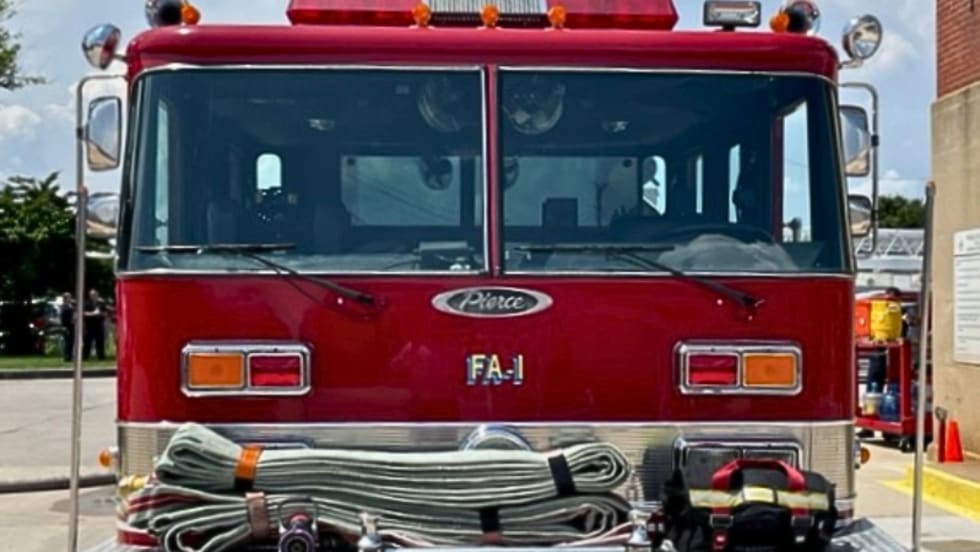
Baltimore Fire Department Receives Funding to Replace Aging Vehicles
The city council approved additional funding for fire apparatus replacements. The entire city fleet department's vehicle replacement budget was also boosted.
Read More →
Oregon College Receives Nearly $3 Million to Expand EV Tech Workforce
Fifteen two-year colleges in the region are part of consortium developing EV technician programs.
Read More →