





Learn More: Florida First Responders Prepare for Autonomous Vehicle Launch
AVSC Publishes Guide for Automated Vehicle Interactions with First Responders
The guide provides recommended procedures and protocols for Automated Driving System (ADS) developers to follow in order to facilitate safe and effective first responder interactions for a multitude of scenarios.
December 11, 2020

2 min to read

The guide provides recommended procedures and protocols for Automated Driving System (ADS) developers to follow in order to facilitate safe and effective first responder interactions for a multitude of scenarios.
The Automated Vehicle Safety Consortium (AVSC) announced Dec. 10 the availability of its fifth published best practice titled, Best Practice for First Responder Interactions with Fleet-Managed Automated Driving System-Dedicated Vehicles (ADS-DVs). This best practice provides recommended procedures and protocols for Automated Driving System (ADS) developers to follow in order to facilitate safe and effective first responder interactions for a multitude of scenarios. It is intended for developers operating and managing fleets of ADS Dedicated Vehicles (ADS-DVs) – in other words – those with SAE International’s Levels 4 and 5 automation.
“Our nation’s first responders face countless challenging situations every day and we realize it’s impossible to develop specific protocols and practices for each and every one,” said Amy Chu, director of the AVSC. “However, we can provide clarity around the type of key interactions ADS developers can expect with first responders and provide some practical recommendations for developers to engage with the first responder community before deploying on public roads. This best practice is a proactive step to address these interactions and start to drive consistent engagement protocols within the ADS industry.”
The latest best practice builds on earlier work done by the Crash Avoidance Metrics Partnership and details three types of interactions that first responders may encounter with AVs: direct, indirect, and informational. In total, 36 recommendations are spelled out for ADS developers to include in a standardized framework which can assist first responders in both emergency and non-emergency situations.
“The common format included in this best practice will make it easier to communicate important information to first responders. The AVSC is recommending every ADS developer share a First Responder Interaction Plan. This guidance should help enable our first responders as they maintain order and public safety on our roadways and ultimately engender public trust in AVs," added Chu.
The first responder interaction plan framework consists of three aspects that help contribute to safe interactions. This framework guides AV developers to build their own interaction plan, publish and maintain the plan, and ensure proper training is available. In addition, state and local governments can use this framework as a reference when engaging developers and manufacturers operating on public roadways.
More Operations

Fleet Forward Conference Introduces One-Day Passes for 2026
New one-day registration lets fleet professionals attend Tuesday, Wednesday, or Thursday, with passes available for $249.
Read More →
ENC Unveils its ZAVIR Medium-Duty Shuttle
Two variants of the concept shuttles were revealed: a low-floor configuration and a high-floor configuration.
Read More →
Could Your Next Fleet Technician Start as an Intern?
What if your next technician hasn’t worked in a fleet shop yet? What fleets are doing to free up time.
Read More →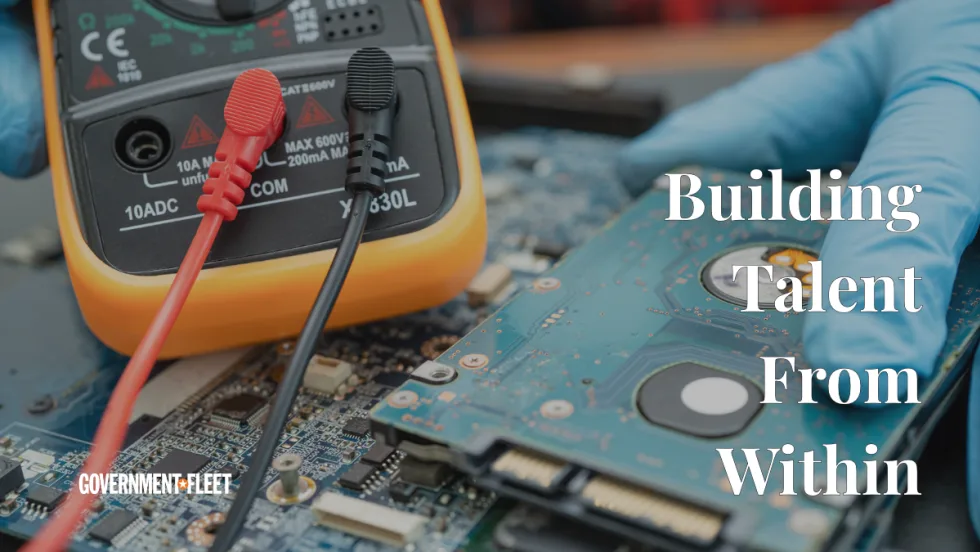
How Phoenix Is Building Its Next Generation of Fleet Technicians
With more than 8,000 vehicles and pieces of equipment to maintain, the City of Phoenix could not afford to wait for fully trained technicians to walk through the door. Instead, they revamped their entire workforce strategy and showed how public fleets can create their own talent pipeline while preparing existing employees for increasingly complex vehicles.
Read More →
What’s Slowing Your Fleet Down?
Could a change in how work gets done help your fleet return vehicles to service sooner?
Read More →
Can Public Fleets Trust the Data Driving Their Decisions?
Public fleets have more data than ever, but inconsistent records and missing information can still undermine maintenance, replacement, and cost decisions.
Read More →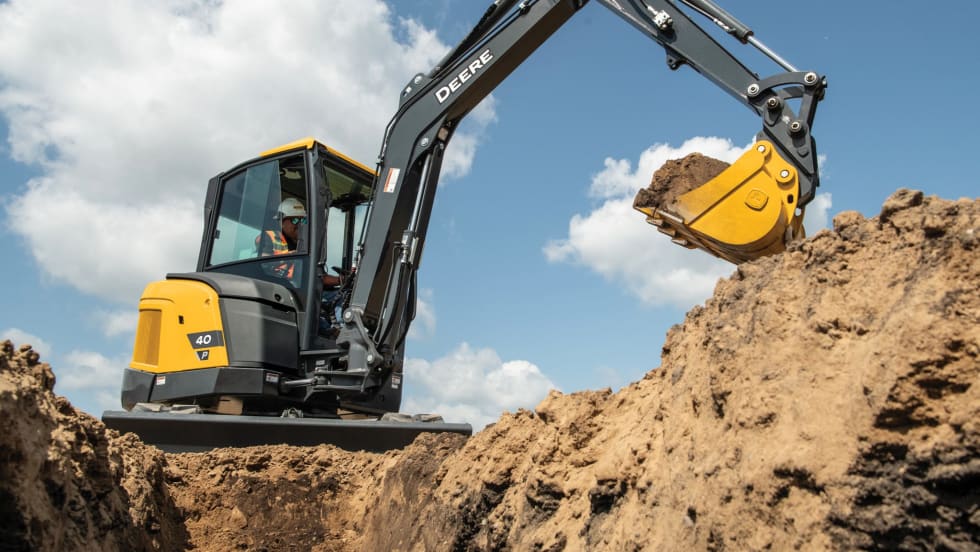
John Deere Introduces 40 P-Tier Compact Excavator
John Deere is adding a compact excavator designed for crews that need to move equipment between jobsites and handle multiple types of work with one machine. The 40 P-Tier weighs less than 10,000 pounds and offers configurable hydraulics, attachment options, and connected fleet-management capabilities.
Read More →
How Leading Fleets Improve and Why Business Plans Matter
This week, we look at what past Leading Fleet winners can teach us about making progress, plus how to build a business plan your fleet will actually use.
Read More →
Nominate a Fleet Leader for the 2027 Public Fleet Hall of Fame
Do you know a fleet leader who has made a lasting impact on the industry? Nominate this fleet professional for the 2027 Public Fleet Hall of Fame.
Read More →
Why Fleet Business Plans Need Three Perspectives
A fleet business plan should help agency leaders understand the fleet’s value, give the organization a clear direction, and establish shared expectations with customer departments.
Read More →