




Audit of Los Angeles Airports’ Fleet Recommends More Oversight
City of Los Angeles auditors found that the Los Angeles World Airports' (LAWA) Fleet Maintenance Section has little oversight responsibility regarding the assignment or usage of LAWA vehicles. LAWA management has recognized the need for vehicle oversight and is hiring a fleet manager to fulfill this function.
An audit of the Los Angeles World Airports’ (LAWA) take-home and pool vehicle fleet found lack of centralized accountability and control and suggested various recommendations for improvement. Overall, auditors found that although the Fleet Maintenance Section has a robust software application for vehicle management, “the group’s primary focus is on maintenance and repair activities and they have no oversight responsibility regarding the assignment or usage of LAWA vehicles.” The audit further states that LAWA management has recognized the need for oversight of vehicle assignments and use and is hiring a fleet manager to fulfill this function.
The audit, conducted by the office of Los Angeles City Controller Wendy Greuel, is dated June 21. LAWA maintains a fleet of more than 1,400 units; the audit focused on passenger vehicles used to perform critical functions and support services, totaling 1,029 units.
Regarding take-home vehicles, the audit stated that LAWA lacks centralized control over take-home vehicles, with no centralized listing of all employees authorized for take-home vehicle use. Auditors also stated that a shortage of available pool cars led employees to claim excessive mileage reimbursements. The audit recommended LAWA implement centralized control of the take-home vehicle program, including creating a process to formally approve employees for the take-home vehicle program. It recommended LAWA attempt to reduce take-home vehicles by providing a car allowance. Lastly, auditors suggested LAWA develop a take-home vehicle use policy that addresses how these vehicles can be used and requires employees with take-home privileges to have personal vehicle insurance.
For motor pool and division-assigned vehicles, auditors found that inventory information from the fleet system was inaccurate, making it difficult to ensure effective inventory control. The audit report recommended the fleet assess actual use of pool vehicles to ensure they are effectively used and better control mileage reimbursements, especially to those who have access to a pool vehicle. Auditors recommended better controls for the vehicle replacement process, having found that employees used the same “old” vehicle to justify the purchase of multiple replacement vehicles, and that some “old” vehicles were not disposed and still in use.
Finally, it recommended a utilization study to determine if vehicles met the needs of the central pool and divisions and to reduce fleet size if possible. Auditors also stated that LAWA should create guidelines for vehicle purchases, purchasing fuel-efficient vehicles when possible.
Visit the LA City Controller’s website for the full audit in PDF format.
By Thi Dao
More Maintenance

Freeing Technicians for Higher-Priority Repairs
Could paid interns help public fleets free up experienced technicians for more complex repairs?
Read More →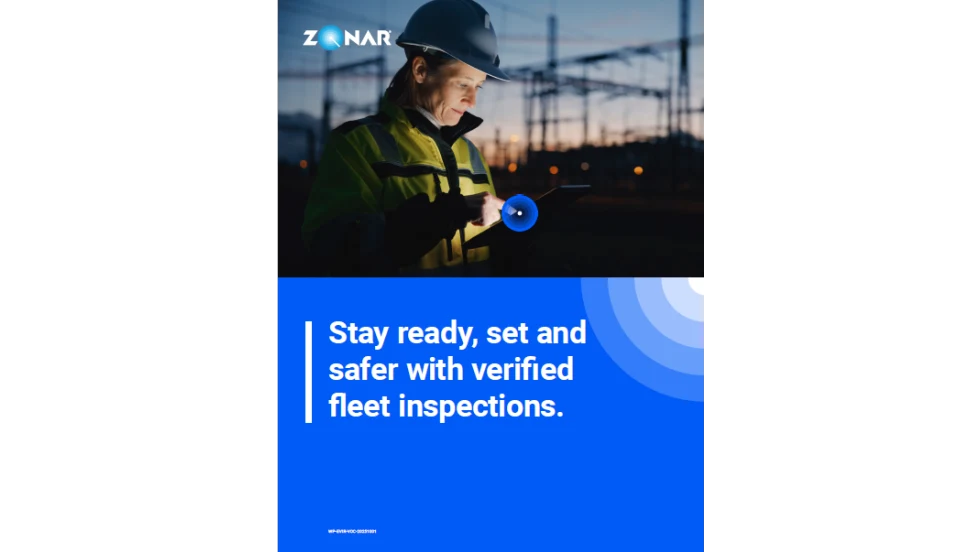
Stay ready, set and safer with verified fleet inspections
When fleet inspections aren’t verifiable, missed defects can quickly become downtime, safety risks, and service delays. This white paper shows government and municipal fleet leaders how digital inspections can improve accountability, catch issues earlier, and keep vehicles ready when they’re needed most.
Read More →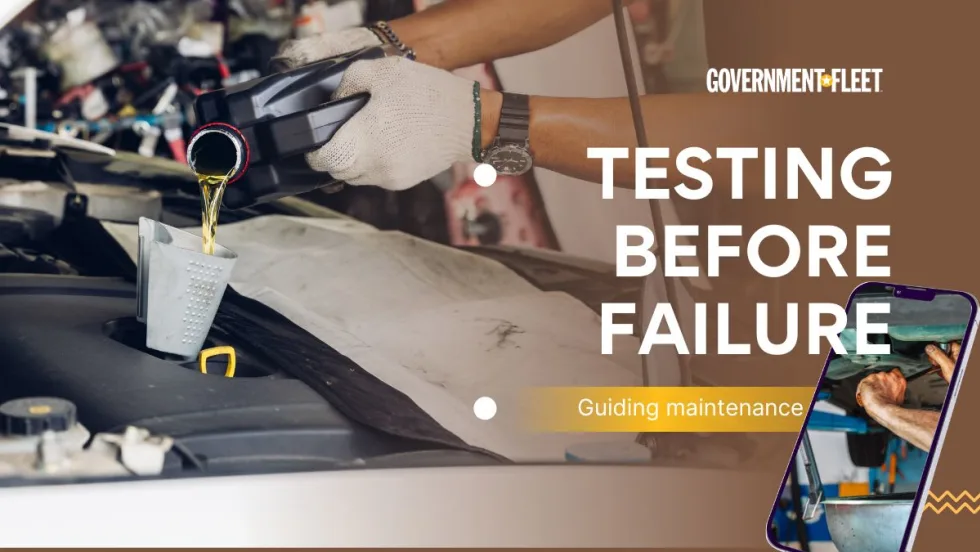
Using Oil Analysis to Help with Engine Losses
How a Texas city changed its lubrication practices and began tailoring preventive maintenance intervals after test results showed oil degradation and fuel dilution.
Read More →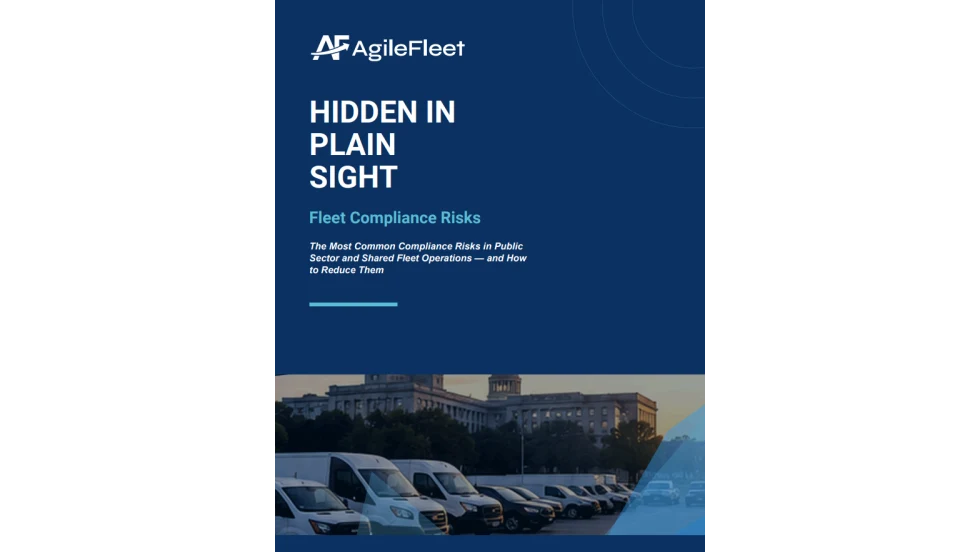
Hidden in Plain Sight: Fleet Compliance Risks
Fleet compliance isn't just about having policies — it's about consistently enforcing them. This practical guide reveals six hidden compliance risks common in public sector and shared fleet operations and outlines proven strategies to improve visibility, accountability, and audit readiness.
Read More →
Is Your Fleet Garage Holding Back Your Operation? | The Fleet Breakroom
Norman Barrientos of Barrientos Design & Consulting explains how agencies can use operational data to show decision-makers why a replacement or major renovation is needed.
Read More →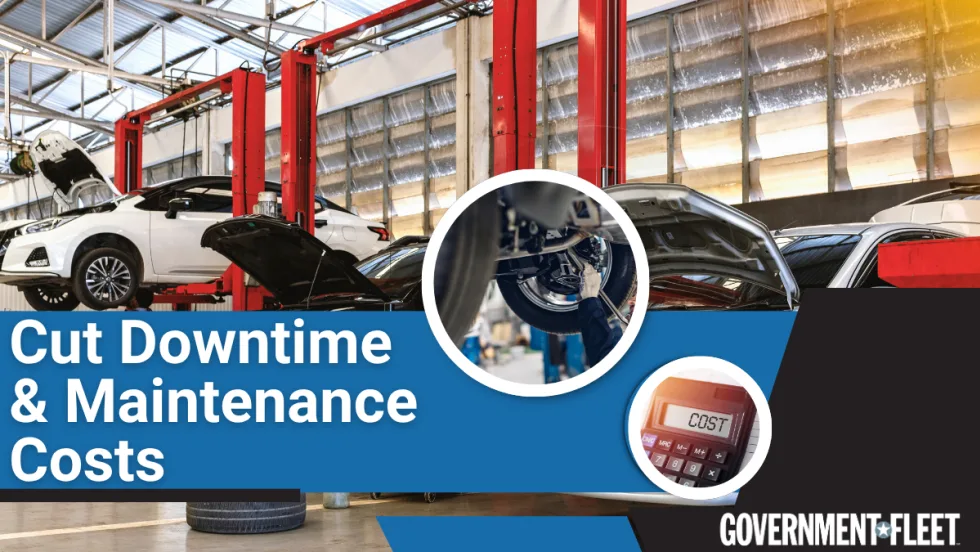
Reducing Long-Term Maintenance Costs and Downtime
Downtime is rarely caused by a single surprise failure but rather by an issue that builds over time through setbacks ranging from deferred maintenance to poor replacement planning. So what's the fix?
Read More →
The Future of Government Fleet Technicians with Mike Cleary
Insight on preparing for hybrid and electric vehicle service, what fleets need to know about recruiting technicians in a competitive market, and how to make the most of limited training budgets.
Read More →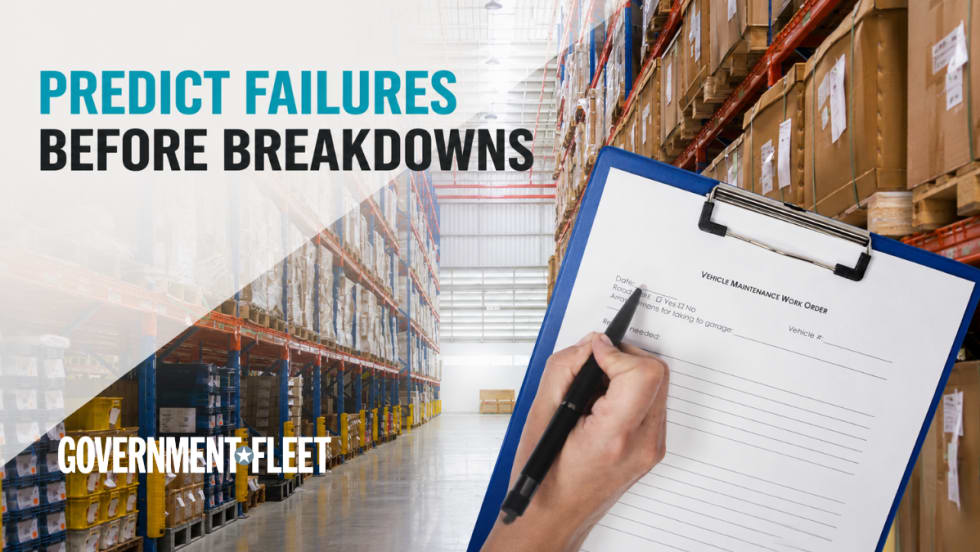
Work Orders Are More Than Records. They're a Roadmap to Fleet Availability
What if your work orders could predict failures, uncover hidden costs, and boost fleet availability? Here's how leading fleets are using the data.
Read More →
Drive More Profit with Greater Fleet Uptime
Fleet downtime costs money. JASPER helps keep vehicles on the road with quality remanufactured components, fast nationwide delivery, and reliable solutions that boost uptime and profitability.
Read More →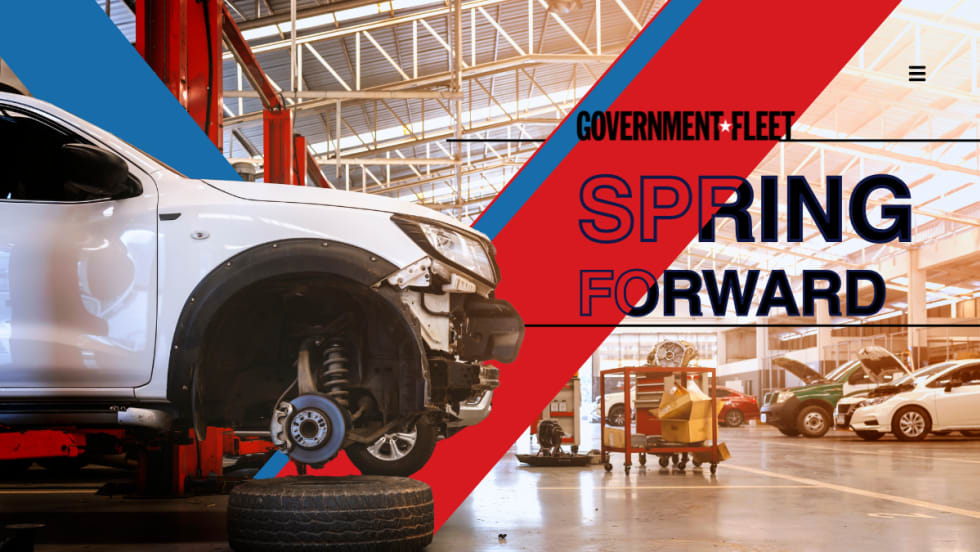
Smart Seasonal Maintenance Tips for Government Fleets
Government fleets carry extra weight, and routes, schedules, and public trust depend on reliability. A systematic spring checklist keeps vehicles in service when agencies need them most.
Read More →