




Related: Keeping Parts Management In-House
Audit: NC Town Overcharged $200K by Parts Vendor
According to a report from the State Auditor, the Town of Chapel Hill failed to detect inconsistencies between the work done and the parts charged.

Roselynne Reyes・Senior Editor
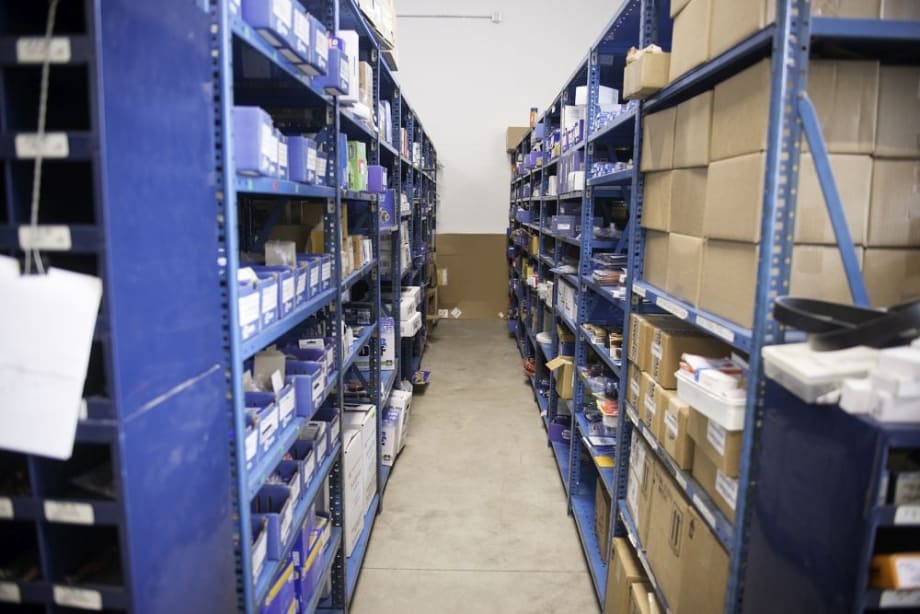
File photo of a parts room
2 min to read
The Town of Chapel Hill, N.C., was improperly billed at least $210,035 by a vendor for parts that did not match the associated work orders. This was discovered by the Office of the N.C. State Auditor, which recommended the town implement stricter controls when managing invoices.
Since 2012, the town has contracted with a local parts vendor to purchase and manage the parts inventory for the Fleet Management Division. This required the parts vendor to operate a work space within the town’s operations center to supply parts and maintain an adequate parts inventory. The vendor provided a monthly bill listing all parts invoiced with related costs and an on-site employee to manage the operation.
A work order is generated for each repair request and is assigned to a technician who is responsible for beginning the repair process and obtaining the needed parts from the on-site vendor. The parts vendor employee documents the parts provided to the technician in the town’s work order system and the vendor’s invoicing system. The fleet supervisor reviews the labor and repair work before closing the work order, and the customer department is charged for the parts and labor noted.
Between Jan. 1, 2016 and Mar. 31, 2017, the town’s parts vendor improperly billed at least $210,035 for parts not included on associated work orders. The town failed to detect the errors because the town’s work order system did not interface with the vendor’s invoice system, the parts vendor did not provide adequate parts detail reporting, and the town’s fleet manager did not sufficiently review the invoices.
The improper billing was done by submitting invoices for parts not listed on the work order, adding to the voice parts not listed on the work order, and creating duplicate invoices for the same work order. As a result of the billing errors, the town paid for:
$130,810 for parts that did not fit town fleet vehicles
$75,923 for parts that may fit a town vehicle, but did not match the associated work orders
$2,147 in core deposit charges, which are fees attached to auto parts that can be remanufactured for future sale.
$1,155 for duplicate invoices.
The parts vendor has already reimbursed the town $134,112 for parts improperly billed, according to a response from the town. The parts vendor was not specified in the report.
The Auditor’s Office recommends that the town seek repayment for parts not used, implement procedures to adequately review invoices and work orders, and review invoices prior to the investigation period for additional parts that were improperly billed.
In January 2019, the town implemented new parts accounting procedures.
Read the full audit here.
More Maintenance

Freeing Technicians for Higher-Priority Repairs
Could paid interns help public fleets free up experienced technicians for more complex repairs?
Read More →
Sponsored•September 18, 2026
Stay ready, set and safer with verified fleet inspections
When fleet inspections aren’t verifiable, missed defects can quickly become downtime, safety risks, and service delays. This white paper shows government and municipal fleet leaders how digital inspections can improve accountability, catch issues earlier, and keep vehicles ready when they’re needed most.
Read More →
Using Oil Analysis to Help with Engine Losses
How a Texas city changed its lubrication practices and began tailoring preventive maintenance intervals after test results showed oil degradation and fuel dilution.
Read More →
Sponsored•August 10, 2026
Hidden in Plain Sight: Fleet Compliance Risks
Fleet compliance isn't just about having policies — it's about consistently enforcing them. This practical guide reveals six hidden compliance risks common in public sector and shared fleet operations and outlines proven strategies to improve visibility, accountability, and audit readiness.
Read More →
Is Your Fleet Garage Holding Back Your Operation? | The Fleet Breakroom
Norman Barrientos of Barrientos Design & Consulting explains how agencies can use operational data to show decision-makers why a replacement or major renovation is needed.
Read More →
Reducing Long-Term Maintenance Costs and Downtime
Downtime is rarely caused by a single surprise failure but rather by an issue that builds over time through setbacks ranging from deferred maintenance to poor replacement planning. So what's the fix?
Read More →
The Future of Government Fleet Technicians with Mike Cleary
Insight on preparing for hybrid and electric vehicle service, what fleets need to know about recruiting technicians in a competitive market, and how to make the most of limited training budgets.
Read More →
Work Orders Are More Than Records. They're a Roadmap to Fleet Availability
What if your work orders could predict failures, uncover hidden costs, and boost fleet availability? Here's how leading fleets are using the data.
Read More →
Drive More Profit with Greater Fleet Uptime
Fleet downtime costs money. JASPER helps keep vehicles on the road with quality remanufactured components, fast nationwide delivery, and reliable solutions that boost uptime and profitability.
Read More →
Smart Seasonal Maintenance Tips for Government Fleets
Government fleets carry extra weight, and routes, schedules, and public trust depend on reliability. A systematic spring checklist keeps vehicles in service when agencies need them most.
Read More →