




Audit Finds Nevada Motor Pool Can Save $1.6 Million
CARSON CITY, NV - An audit of the Motor Pool Division of the Nevada Department of Administration found the Motor Pool can save $1.6 million by delaying new vehicle purchases and reducing its fleet by 73 low-use vehicles assigned to state agencies.
CARSON CITY, NV - An audit of the Motor Pool Division of the Nevada Department of Administration found the Motor Pool can save $1.6 million by delaying new vehicle purchases and reducing its fleet by 73 low-use vehicles assigned to state agencies. It listed 11 recommendations to improve the Division's internal controls. The audit, which focused on fiscal years 2008 and 2009, was presented at a Legislative Commission's Audit Subcommittee meeting on September 29.
As of July 2009, the Division operated a fleet of 849 vehicles that cost approximately $13 million. Of these vehicles, 736 were on assignment to state agencies, and 113 were used as daily rentals. The Division's primary source of funding is vehicle rental fees, according to the report.
Some principal findings of the report were:
Twenty two percent of assigned vehicles did not meet minimum use requirements, and management did not actively monitor low-use vehicles and reassign them if necessary, as stated mandated by state policy.
Preventive maintenance was not timely for 30 percent (85 of 279) of vehicles requiring services.
A revised vehicle replacement policy did not include a cost analysis, which could result in cost savings.
The initial cost premium paid for hybrid vehicles was not recovered because of low use and relatively low gasoline prices before the vehicles were retired. The Motor Pool has 40 hybrid vehicles, with total cost of about $870,000.
Monthly fuel card billings were not adequately monitored for improper use. A review of four months' billing statements found 16 vehicles should be investigated for improper fuel car use. Recurring fuel theft for one vehicle was not identified or investigated in a timely manner.
Motor Pool staff did not document all required reviews of purchase card transactions for vehicle repairs and maintenance to ensure that purchased goods were reasonable and relevant to the repair.
The report's 11 recommendations, accepted by the Motor Pool Division, are as follows:
Monitor vehicle utilization in accordance with policies and procedures.
Work with agency financial managers and the Budget Division to eliminate or reassign unneeded vehicles.
Develop policies and procedures to ensure vehicles are maintained in accordance with established maintenance schedules.
Establish a policy to periodically analyze fleet replacement issues, such as extending mileage requirements on hybrids or standard vehicles, to help ensure Motor Pool's replacement vehicles are cost effective.
Place hybrid vehicles at high-use agencies to the extent possible.
Establish procedures for periodically comparing monthly fuel purchases to the reported monthly mileage to identify improper fuel card use.
Document the review of improper fuel card use.
Develop and implement procedures to reasonably ensure drivers restrict the use of fuel cards to the assigned vehicle.
Request NDOT to provide odometer readings associated with each fuel transaction.
Document the internal control procedures performed when reviewing purchase card transactions related to fleet maintenance and repairs.
Periodically review internal controls over fleet management activities to ensure the controls are followed, adequately documented, and working as intended.
The full audit report can be found here.
More Maintenance

Freeing Technicians for Higher-Priority Repairs
Could paid interns help public fleets free up experienced technicians for more complex repairs?
Read More →
Stay ready, set and safer with verified fleet inspections
When fleet inspections aren’t verifiable, missed defects can quickly become downtime, safety risks, and service delays. This white paper shows government and municipal fleet leaders how digital inspections can improve accountability, catch issues earlier, and keep vehicles ready when they’re needed most.
Read More →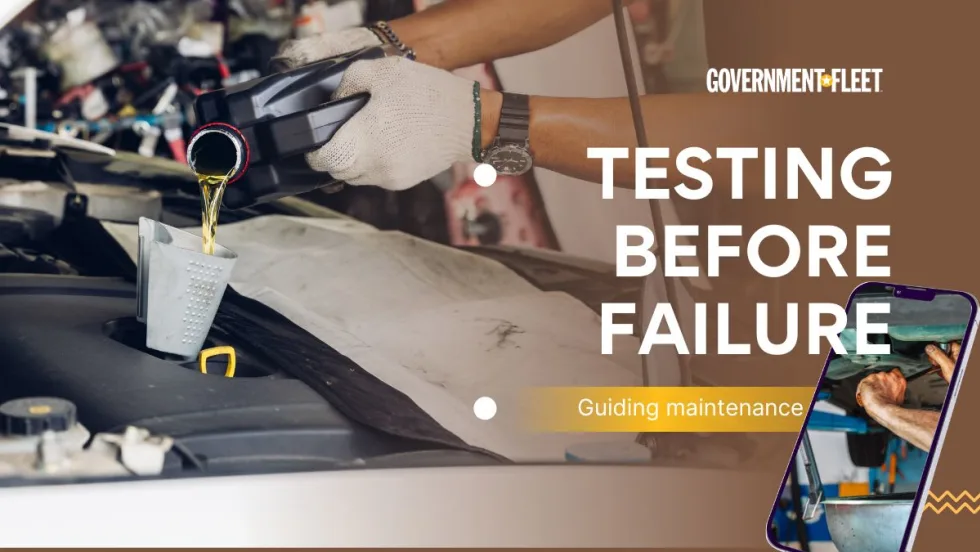
Using Oil Analysis to Help with Engine Losses
How a Texas city changed its lubrication practices and began tailoring preventive maintenance intervals after test results showed oil degradation and fuel dilution.
Read More →
Hidden in Plain Sight: Fleet Compliance Risks
Fleet compliance isn't just about having policies — it's about consistently enforcing them. This practical guide reveals six hidden compliance risks common in public sector and shared fleet operations and outlines proven strategies to improve visibility, accountability, and audit readiness.
Read More →
Is Your Fleet Garage Holding Back Your Operation? | The Fleet Breakroom
Norman Barrientos of Barrientos Design & Consulting explains how agencies can use operational data to show decision-makers why a replacement or major renovation is needed.
Read More →
Reducing Long-Term Maintenance Costs and Downtime
Downtime is rarely caused by a single surprise failure but rather by an issue that builds over time through setbacks ranging from deferred maintenance to poor replacement planning. So what's the fix?
Read More →
The Future of Government Fleet Technicians with Mike Cleary
Insight on preparing for hybrid and electric vehicle service, what fleets need to know about recruiting technicians in a competitive market, and how to make the most of limited training budgets.
Read More →
Work Orders Are More Than Records. They're a Roadmap to Fleet Availability
What if your work orders could predict failures, uncover hidden costs, and boost fleet availability? Here's how leading fleets are using the data.
Read More →
Drive More Profit with Greater Fleet Uptime
Fleet downtime costs money. JASPER helps keep vehicles on the road with quality remanufactured components, fast nationwide delivery, and reliable solutions that boost uptime and profitability.
Read More →
Smart Seasonal Maintenance Tips for Government Fleets
Government fleets carry extra weight, and routes, schedules, and public trust depend on reliability. A systematic spring checklist keeps vehicles in service when agencies need them most.
Read More →