




Alabama County Study Says Reducing Fleet Size Saves Millions
Plans to reduce the number of fleet cars, trucks, and earthmovers operated by Jefferson County in Alabama could save about $2.7 million per year.
BIRMINGHAM, AL -- Plans to reduce the number of fleet cars, trucks, and earthmovers operated by Jefferson County in Alabama could save about $2.7 million per year, the Birmingham Times reported. The savings include $2.5 million from efforts to cut the number of vehicles employees drive home, said Randy Owen, senior vice president of Mercury Associates, a fleet management consulting firm. Mercury, hired last year to study the county's fleet management program, also said the county could save $200,000 per year by selling up to three dozen vehicles identified as unnecessary. The county could net another $140,000 from those sales, said the Maryland-based consultants. Mercury Associates will next examine how Jefferson County buys gas and charges its departments for fuel. In addition, they will recommend how the county should establish a motor pool for employees. Jefferson County Commission President Larry Langford has met with department heads in recent months and slashed the number of vehicles driven home by county employees under the commission's control. Now, 94 workers drive county vehicles home, down from the previous 270, reported the Birmingham Times. Another 322 vehicles, mostly patrol cars, are driven home daily in the sheriff's department, which is outside the commission's control. According to the Birmingham Times, Langford wants to sell the vehicles that aren't put into the motor pool. Mercury has also recommended major changes in the way the county obtains and maintains its fleet of 2,100 cars, trucks, and heavy equipment. Switching to a lease-purchase method instead of buying cars for cash could save $15 million over five years.
More Operations
Who Deserves Fleet Recognition and What Could You Teach at GFX?
Who helped shape your fleet career, and what have you learned that could help someone else?
Read More →
What’s Haunting Public Sector Fleets?
Public sector fleet challenges rarely happen in isolation, and addressing one often means understanding how it connects to another.
Read More →
Is Keeping Older Fleet Vehicles Really Saving Money?
Is keeping vehicles longer saving money, and what happens when a diagnostic test points to the wrong fix?
Read More →
How Smart Fleet Strategy Can Help Local Government Agencies Do More with Less
Keeping a vehicle longer may ease this year’s budget, but what does it cost the next one? A closer look at fleet decisions can reveal opportunities to reduce spending while protecting essential services.
Read More →
Connect with Government Fleet on LinkedIn
From industry news and fleet management strategies to conversations with peers, Government Fleet's LinkedIn page offers public-sector fleet professionals another way to stay informed and connected.
Read More →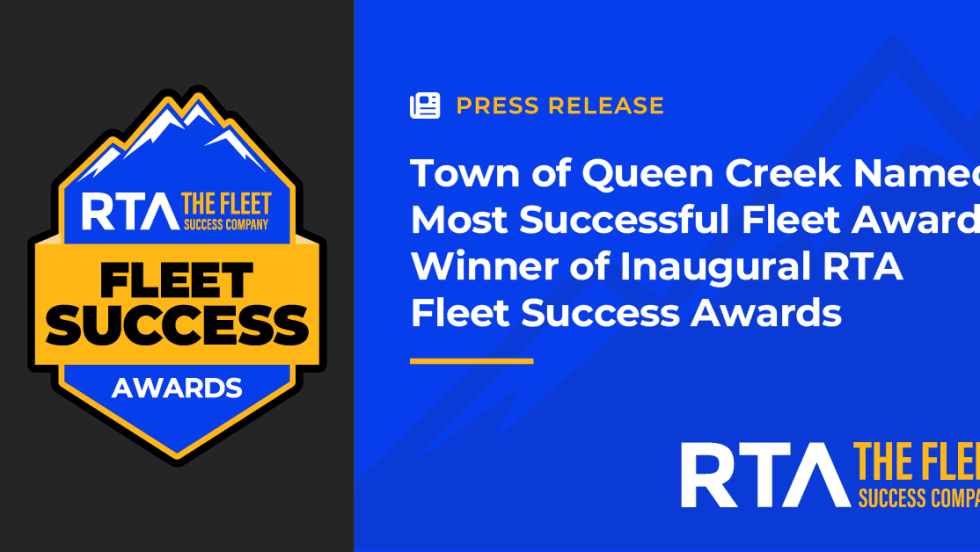
Town of Queen Creek Named Most Successful Fleet Award Winner of Inaugural RTA Fleet Success Awards
Five fleets were honored at RTA Connect 2026 in Chicago for excellence across resource efficiency, intentional culture, risk management, and stakeholder satisfaction.
Read More →
A buyer's guide to fleet management software in 2027
Buying fleet management software in 2027 means looking beyond features and price. As fleet operations, technology and expectations evolve, this guide explores what today’s fleet professionals should consider when choosing a system that can deliver value now and adapt to what comes next.
Read More →
Hazard Alerts, Fleet Car Sales Rise and a New Shuttle Concept
Fleet car sales doubled, but the bigger picture tells a different story in this week’s roundup.
Read More →
How St. Johns County Turned Fleet Data Into Better Replacement Decisions
St. Johns County, Florida, had fleet data, but turning it into reliable decision guidance was another matter. Instead of starting over with a new fleet management system, the county connected existing tools and built a scoring system that gives managers an objective look at fleet health.
Read More →
Fleet Forward Conference Introduces One-Day Passes for 2026
New one-day registration lets fleet professionals attend Tuesday, Wednesday, or Thursday, with passes available for $249.
Read More →