




5,000+ Accidents in W. Va State Fleet in Past 5 Years
CHARLESTON, WV - A legislative audit recently revealed that West Virginia state employees have had more than 5,000 accidents in state vehicles over the past five years, costing the state nearly $23 million in insurance claims and deductibles.
CHARLESTON, WV - A legislative audit released Dec. 8 revealed that West Virginia state employees have had more than 5,000 accidents in state vehicles over the past five years, costing the state nearly $23 million in insurance claims and deductibles, reported The Charleston Gazette.
From July 1, 2004, to June 30, 2009, the state Board of Risk and Insurance Management paid out $17.7 million in claims, in addition to more than $5 million in $1,000 deductibles paid by state agencies, reported the Gazette.
Despite the accident rate, the audit found that most agencies either have no policy for monitoring accidents or do not adhere to policies that are on the books. Fewer than 20 percent of state agencies surveyed in the audit discipline employees who have multiple accidents or are otherwise determined to be unsafe drivers.
The audit recommends the Legislature give the Department of Administration or another state agency oversight to investigate state vehicle accidents, and to require agencies to discipline employees who are at fault for accidents in state vehicles.
While an earlier October report revealed more than 800 employees claimed payroll deductions for commuting values of state vehicles in 2008, only about 500 are actually allowed to commute in state vehicles, according to the Gazette.
More Safety
What Public Fleets Should Document and Preserve After a Collision
Dashcam footage can be overwritten, witnesses can leave, and repairs can erase evidence. What should public fleets document and preserve before that information is lost?
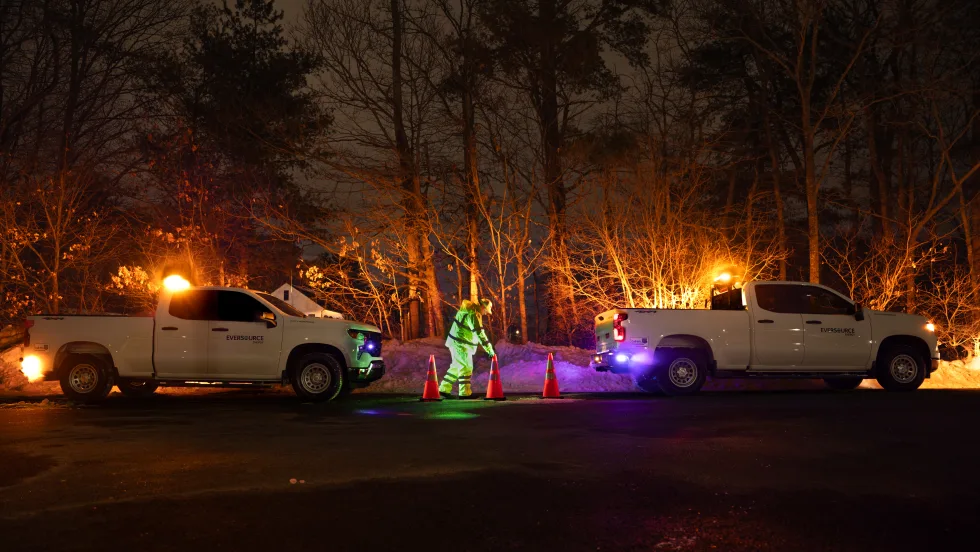
Enhanced Worker Safety Through UV Lighting Technology
An examination of how ultraviolet (UV) perimeter lighting can improve the visibility of workers wearing high-visibility apparel and safety equipment in low-light environments. When paired with durable optical materials and effective light distribution, UV illumination offers a complementary approach to reducing worker exposure risks near traffic and equipment.
New Partnership Aims to Expand Public Digital Hazard Alert System Statewide
The Hawai’i Department of Transportation (HDOT) is expanding advance digital hazard alerts for the public statewide.

New York City Expands Safety Technologies Across Municipal Fleet
Executive Order 19 moves intelligent speed assistance and pedestrian alerts from pilot programs toward standard fleet equipment, offering other public fleets a look at how safety technology can be tested, measured, and scaled.
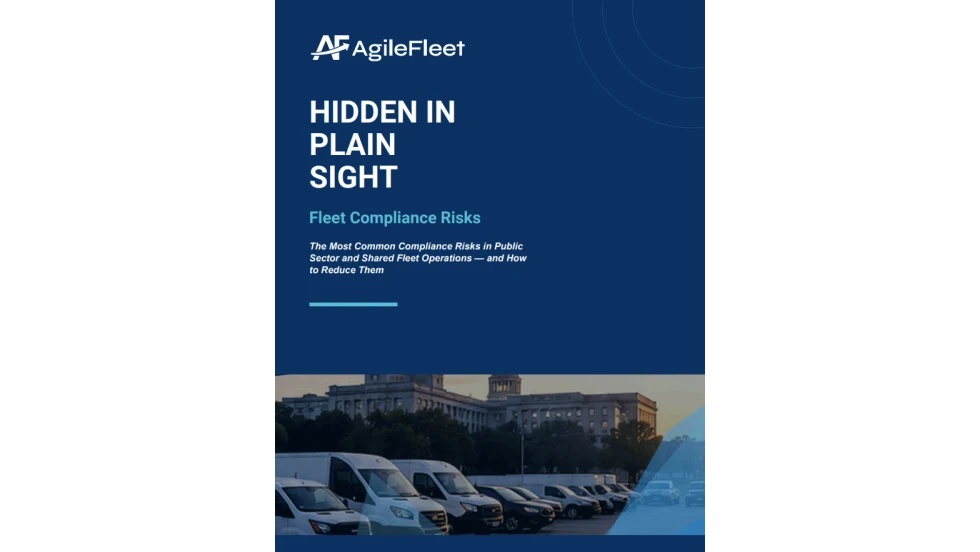
Hidden in Plain Sight: Fleet Compliance Risks
Fleet compliance isn't just about having policies — it's about consistently enforcing them. This practical guide reveals six hidden compliance risks common in public sector and shared fleet operations and outlines proven strategies to improve visibility, accountability, and audit readiness.

5 Days Left to Submit Your 2026 Fleet Safety Award Nomination
Know a government fleet, safety, or risk manager who deserves recognition for making fleet operations safer? Nominations are open through Aug. 15.
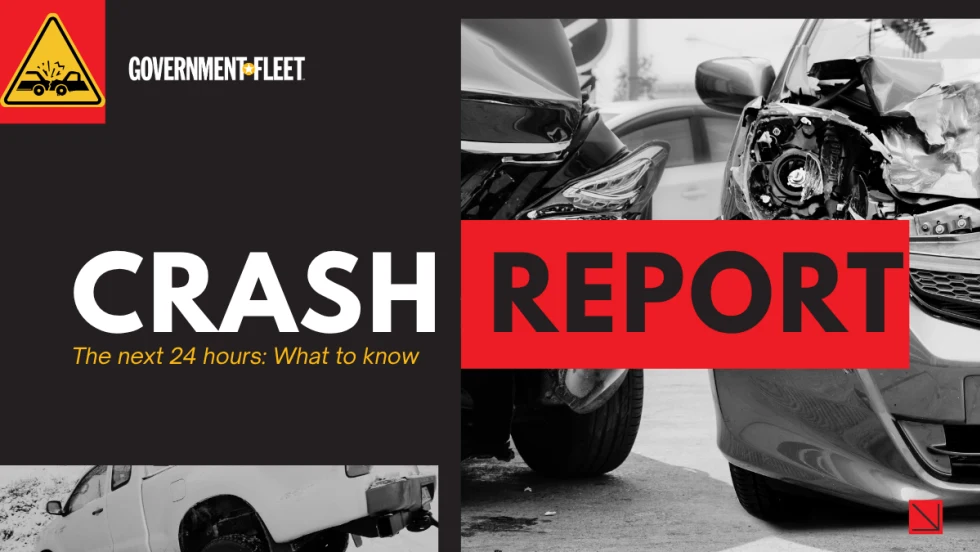
How the First 24 Hours Can Shape a Fleet Crash Response
How a strong accident response process helps government fleets move from the initial report to recovery while building a clearer record for what needs to change next.
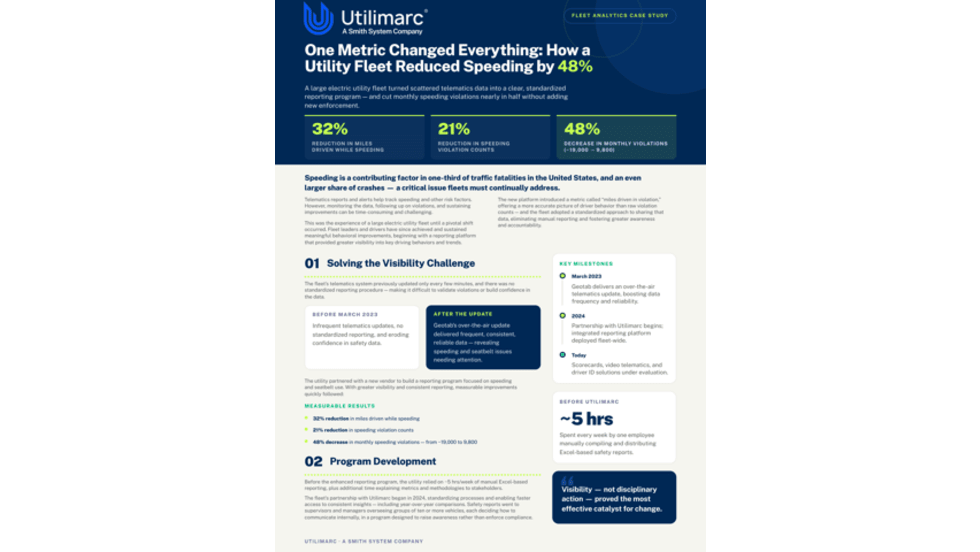
How Better Visibility Cut Speeding Violations by 48%
Fleet leaders don't need more data, they need clearer visibility into what the data is saying. This case study explores how one utility replaced speeding-event counts with a single metric — miles driven in violation — to strengthen safety and significantly reduce speeding violations.
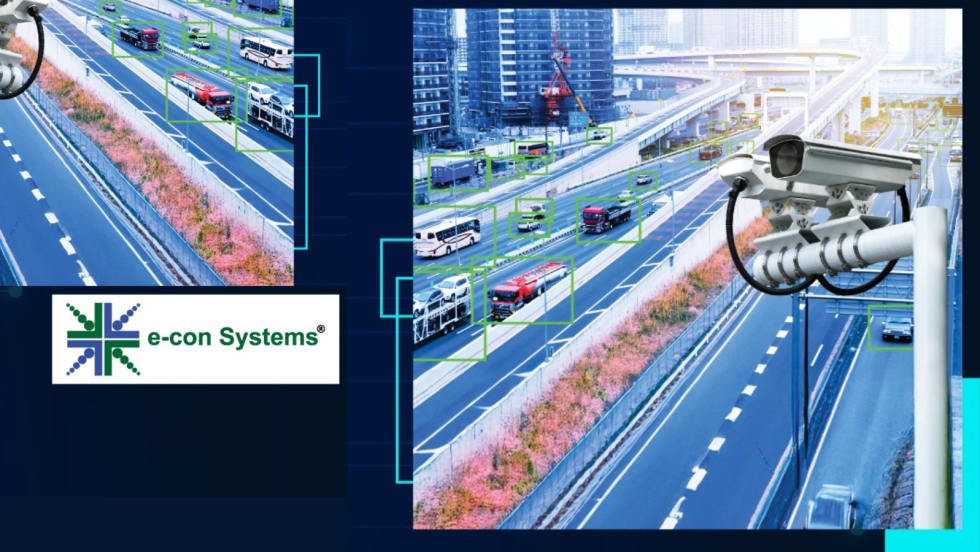
e-con Systems Expands AI Camera Tools for Traffic Monitoring
The systems support license plate recognition, traffic analytics, and video management for transportation agencies.

King Township Pilot Links Driver Feedback to Reduced Speeding
How King Township, a best-in-class municipal fleet, reduced speeding by 10.9% and demonstrated a projected 349% ROI by putting safety ownership directly in drivers' hands.