




2025 Top Emergency Management Stories: Editor's Pick
A selection of emergency management news and features from 2025 chosen by our editors.


A selection of emergency management news and features from 2025 chosen by our editors.
Photo: Government Fleet
As 2025 comes to a close, we’re taking a second look at some of the year’s most meaningful coverage in emergency management fleets at Government Fleet.
These picks are editor-selected, not ranked by pageviews. Each one stood out for the practical takeaways it offers fleet leaders and the conversations it helped move forward. In no particular order, here are five stories worth revisiting.
1. Driving Faster Responses: How Software Solutions Connect Government Fleets
In an age where rapid response can mean the difference between life and death, modernizing emergency vehicle prioritization technology has become a cornerstone of effective first responder operations.
2. Updating Your Fleet Emergency Plan
No two disaster response plans are the same, but these examples make great thought starters when it’s time for updates.

Updating (and creating) a fleet emergency plan may seem daunting, but there are plenty of resources to make the job a little easier.
Photo: This utilizes an AI-generated image. Refer to our Terms of Use.
3. Emergency Planning for Fleets: Adapting to a New Era of Preparedness
What a shift in federal emergency policy means for fleets when it comes to operational readiness. Why fleets should keep disaster-response vehicles, equipment, and coordination protocols in a constant state of preparedness.
4. Disasters Have Become a Nationwide Phenomenon — Fleet's Critical Role
If your entity is considering enhancing its disaster preparedness strategy, it should be clear that fleet must be at the table. No response, recovery, or rescue can occur without fuel and a functioning fleet operation.
5. How Cloud-Based Tech Creates Safer Incident Responses
Highlighting emerging technologies that could make roadway incident response safer for law enforcement officers.
More Operations

Hazard Alerts, Fleet Car Sales Rise and a New Shuttle Concept
Fleet car sales doubled, but the bigger picture tells a different story in this week’s roundup.
Read More →
How St. Johns County Turned Fleet Data Into Better Replacement Decisions
St. Johns County, Florida, had fleet data, but turning it into reliable decision guidance was another matter. Instead of starting over with a new fleet management system, the county connected existing tools and built a scoring system that gives managers an objective look at fleet health.
Read More →
Fleet Forward Conference Introduces One-Day Passes for 2026
New one-day registration lets fleet professionals attend Tuesday, Wednesday, or Thursday, with passes available for $249.
Read More →
ENC Unveils its ZAVIR Medium-Duty Shuttle
Two variants of the concept shuttles were revealed: a low-floor configuration and a high-floor configuration.
Read More →
Could Your Next Fleet Technician Start as an Intern?
What if your next technician hasn’t worked in a fleet shop yet? What fleets are doing to free up time.
Read More →
How Phoenix Is Building Its Next Generation of Fleet Technicians
With more than 8,000 vehicles and pieces of equipment to maintain, the City of Phoenix could not afford to wait for fully trained technicians to walk through the door. Instead, they revamped their entire workforce strategy and showed how public fleets can create their own talent pipeline while preparing existing employees for increasingly complex vehicles.
Read More →
What’s Slowing Your Fleet Down?
Could a change in how work gets done help your fleet return vehicles to service sooner?
Read More →
Can Public Fleets Trust the Data Driving Their Decisions?
Public fleets have more data than ever, but inconsistent records and missing information can still undermine maintenance, replacement, and cost decisions.
Read More →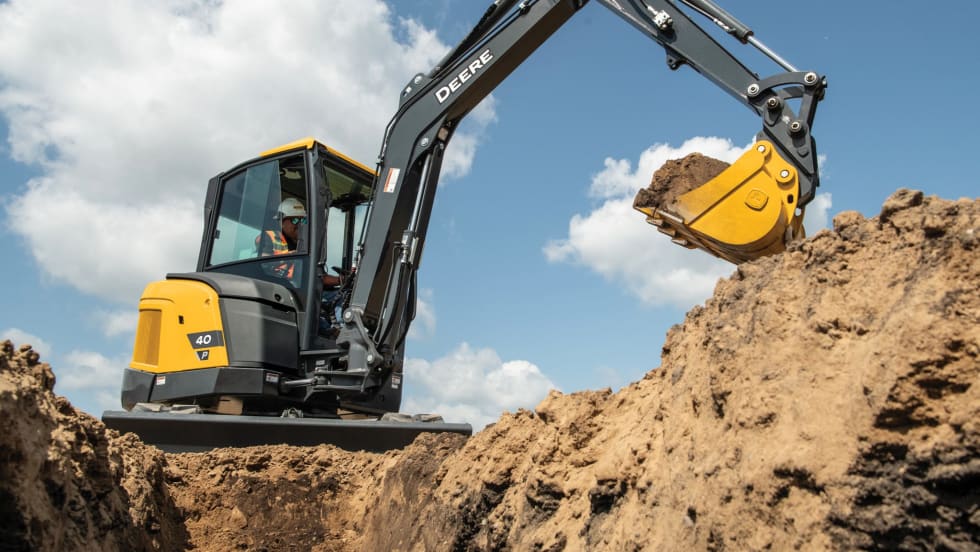
John Deere Introduces 40 P-Tier Compact Excavator
John Deere is adding a compact excavator designed for crews that need to move equipment between jobsites and handle multiple types of work with one machine. The 40 P-Tier weighs less than 10,000 pounds and offers configurable hydraulics, attachment options, and connected fleet-management capabilities.
Read More →
How Leading Fleets Improve and Why Business Plans Matter
This week, we look at what past Leading Fleet winners can teach us about making progress, plus how to build a business plan your fleet will actually use.
Read More →