
Many public sector fleet managers have eliminated the pre-bid conference in purchasing vehicles and equipment, citing the practices of piggybacking on state contracts or joining purchasing cooperatives.
Read More →
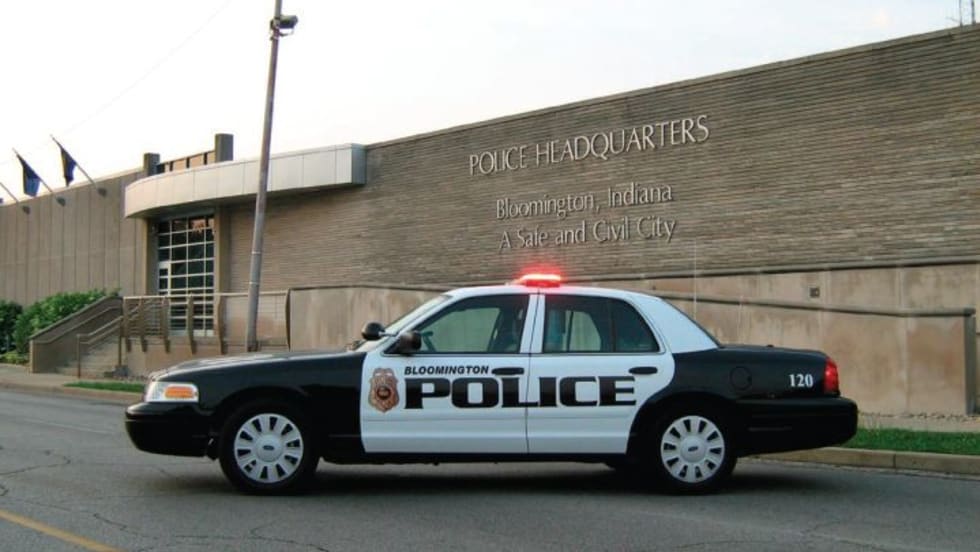
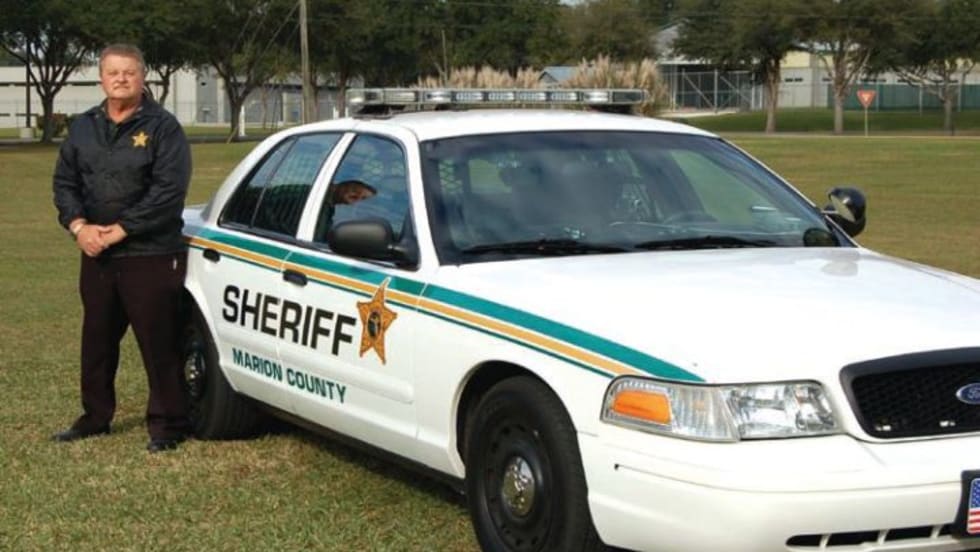
By varying police vehicles’ traditional black and white colors, fleets can significantly impact a unit’s overall look, demonstrating it’s not all “black and white.”
Read More →
Cooperative procurement allows government agencies to purchase equipment and vehicles under another government entity’s contract.
Read More →
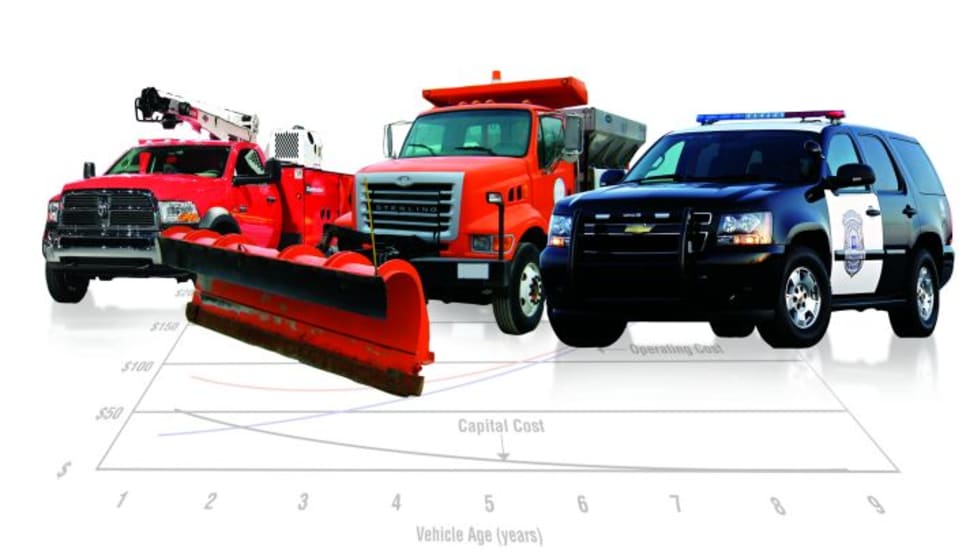
Rather than simply defer replacement purchases to meet short-term budget-balancing goals, fleet managers should use today’s fiscal challenges to reappraise their organization’s approach to fleet replacement.
Read More →
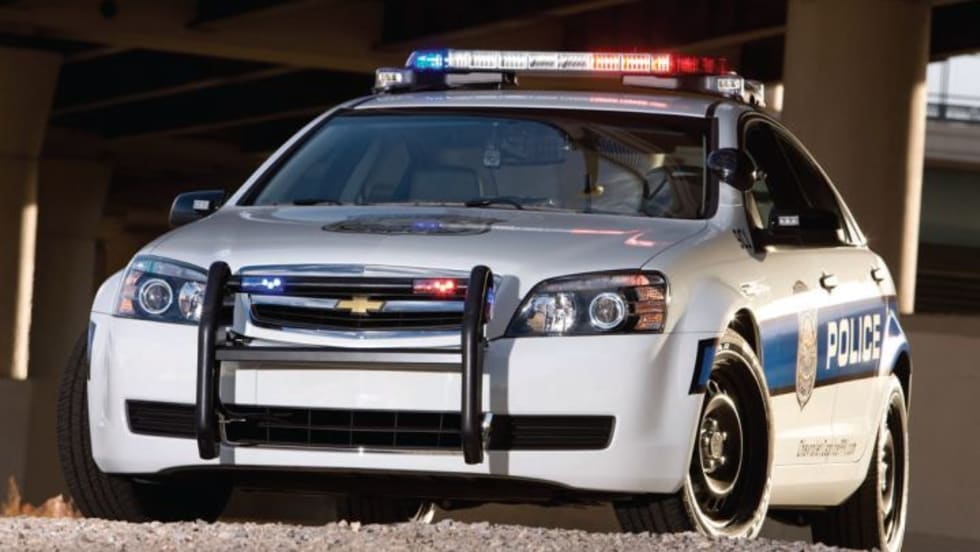
Available in two configurations with an available unmarked version, the 2011 Chevrolet Caprice PPV is rear-wheel driven, offering six- and eight-cylinder engines.
Read More →
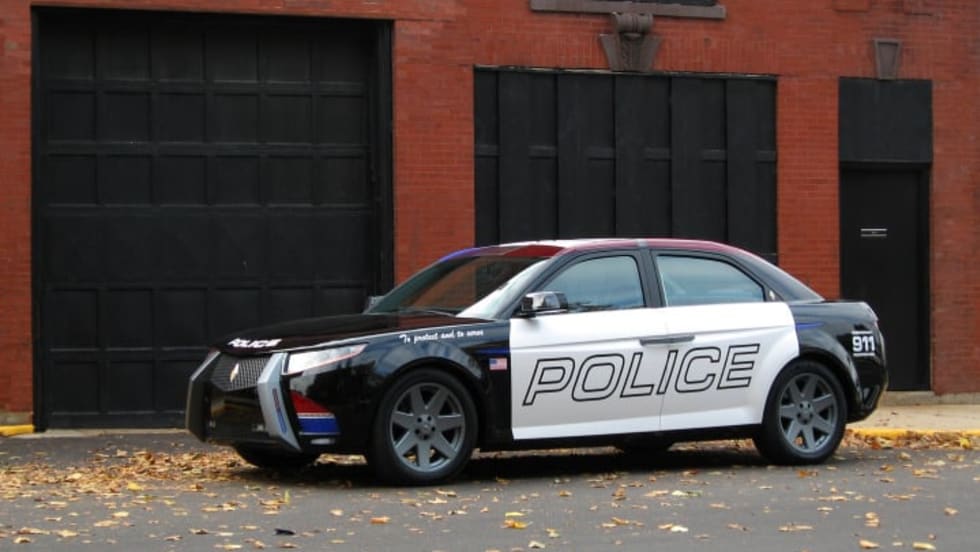
Targeted specifically to law enforcement agencies of all sizes, the E7 Concept will be marketed as a custom-made police vehicle.
Read More →
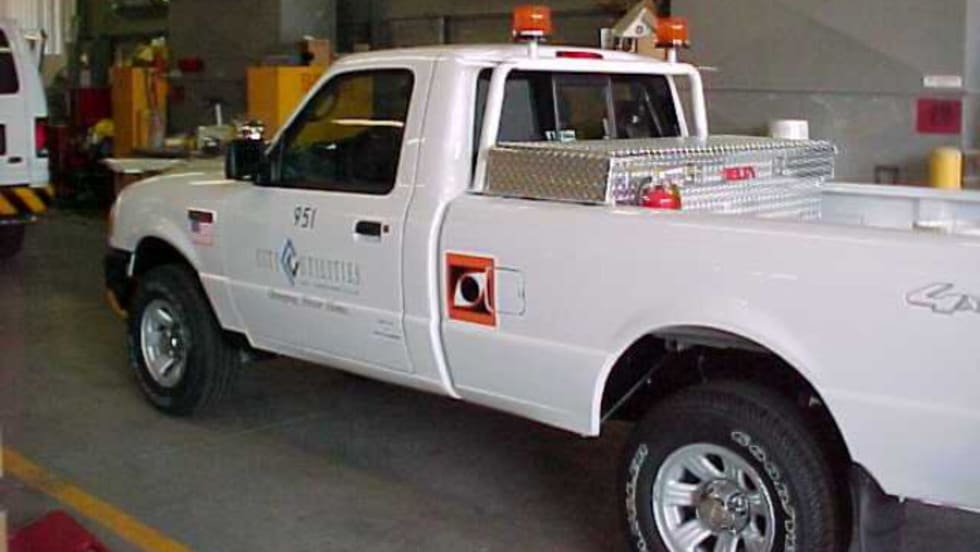
Through implementing vehicle committees, the City Utilities of Springfield, Mo., increased communication with its field crew and improved driver satisfaction, leading to a higher level of trust and crew engagement.
Read More →
Standardizing fleet vehicle platforms leads to more efficient servicing, simplifies parts operations, and promotes a consistent organizational image. However, the process presents a few challenges and limitations.
Read More →
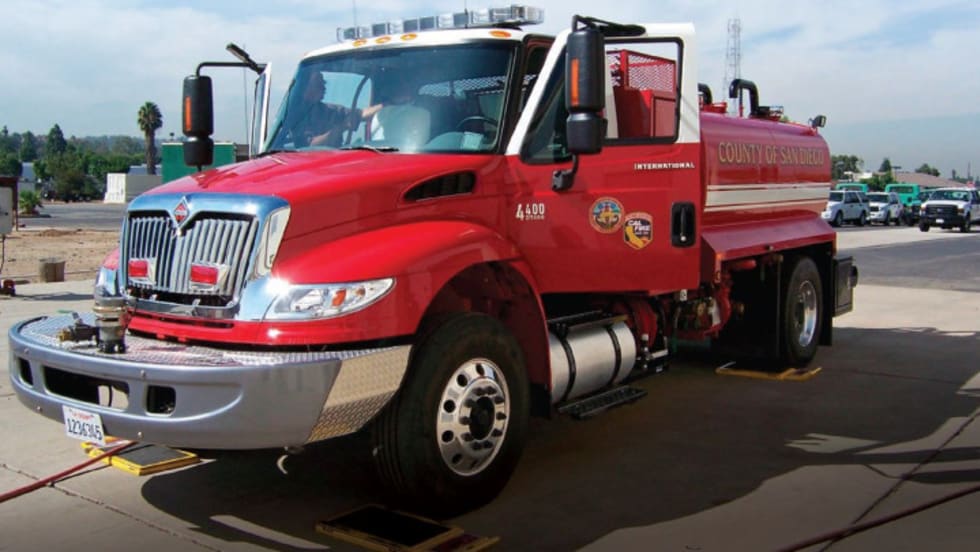
Writing specifications for a new fire apparatus can be daunting. Determining the intended purpose is the first step, but there are many paths to take from there.
Read More →
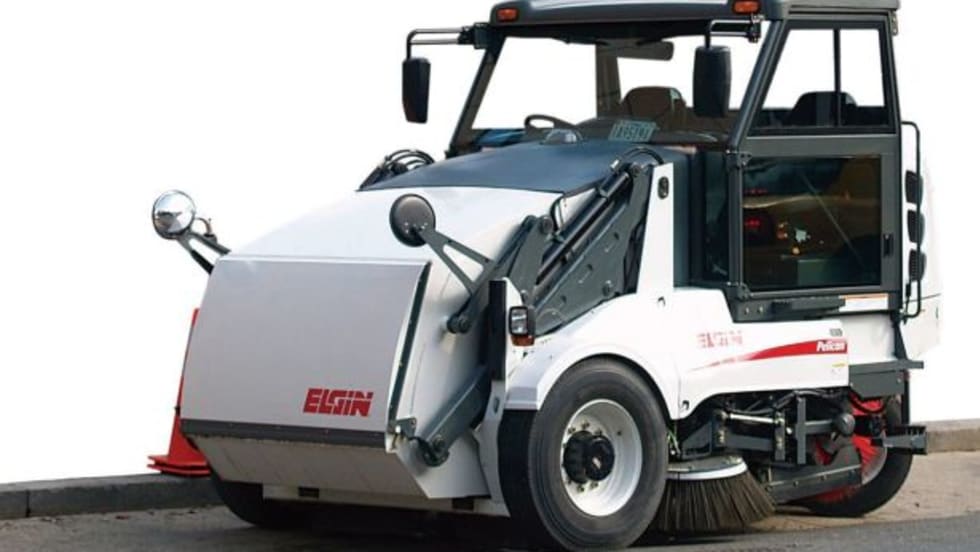
A wide variety of options can make spec’ing a street sweeper a daunting task. Failing to identify a fleet’s individual needs and neglecting to research sweeper functions are two common errors.
Read More →