




What Public Fleets Should Document and Preserve After a Collision
Dashcam footage can be overwritten, witnesses can leave, and repairs can erase evidence. What should public fleets document and preserve before that information is lost?
Read More →
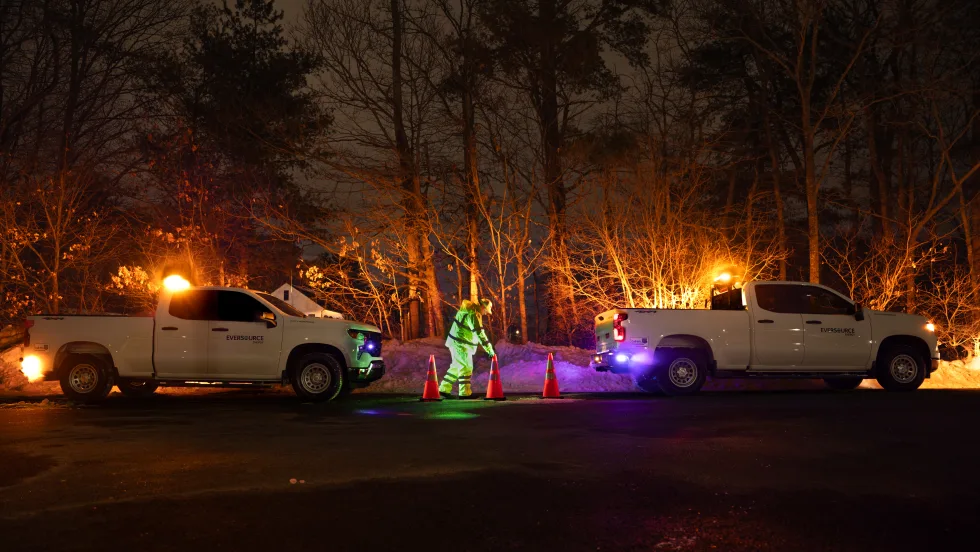
Dashcam footage can be overwritten, witnesses can leave, and repairs can erase evidence. What should public fleets document and preserve before that information is lost?
Read More →

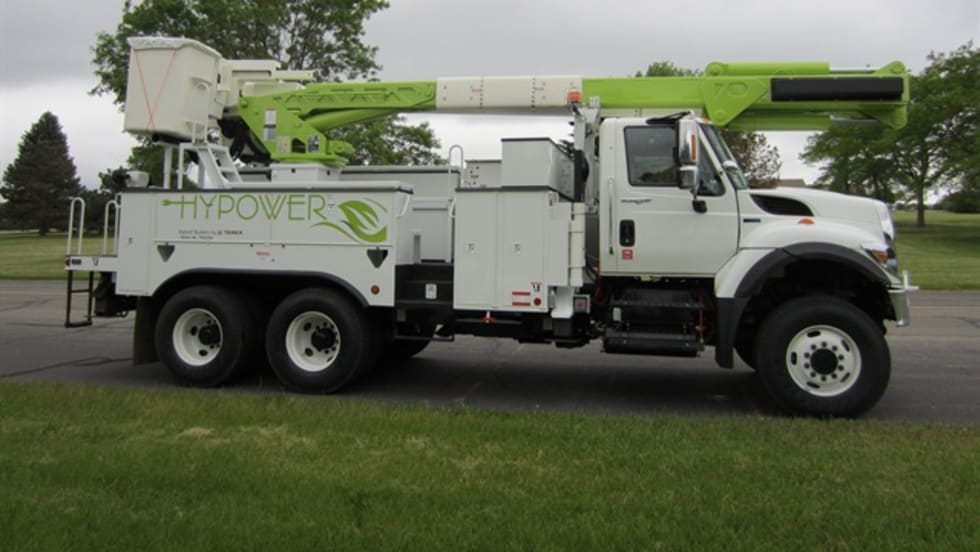
The recall covers 465 utility truck aerial devices manufactured from June 18, 2008, to Sept. 28, 2015.

From adding in-vehicle technologies to incentives in the shop, here are five ways fleets can improve driver, vehicle, and operational efficiency.

With recalls on the rise, it’s hard for fleets to avoid them. But understanding the risk — and creating a process for when they arise — can make handling them manageable.

Set to begin this month, the recall affects 73 SCM48, SCM50 and SCM55 aerial devices in the 2011-2015 model years.

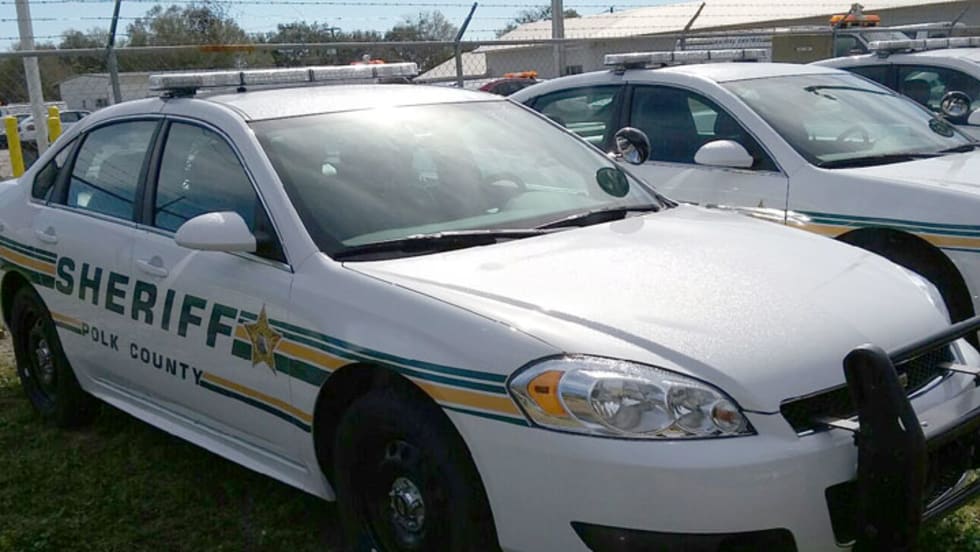
The Polk County (Fla.) Sheriff's Office is striving to eliminate rear-end collisions in vehicles with an aftermarket collision avoidance system installed by fleet technicians.
The city of Mobile, Ala., has been using the Lytx DriveCam program to recognize its safest drivers and best training coaches, while also helping reduce the risky driving behaviors that lead to collisions among the employees who drive city vehicles.

The action covers 2005-2006 model-year trucks that need a new air bag control module to prevent unexpected activation of the side curtain-shield air bags.

The recall affects 195 devices that need new hydraulic pressure control valves.

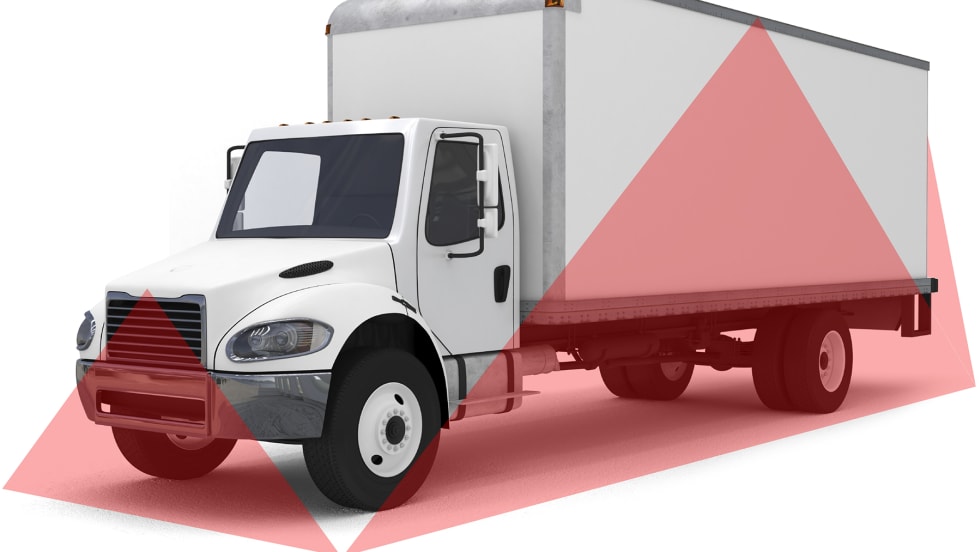
The commercial-grade 360° OmniVue camera system utilizes the latest in SVM (Surround View Monitoring) technology, consisting of four high-definition, 180-degree wide-angle cameras installed around the truck.
The Tucson PD's airborne unit was only 58% in compliance with ALEA standards, placing it at high operational risk.