




Sheriff's Collision Avoidance System Combats Rear-End Crashes
The Polk County (Fla.) Sheriff's Office is striving to eliminate rear-end collisions in vehicles with an aftermarket collision avoidance system installed by fleet technicians.

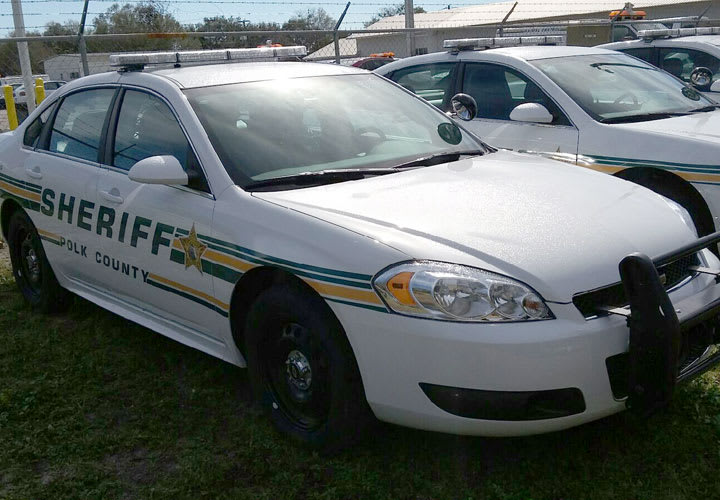
Photo courtesy of Polk County S.O.
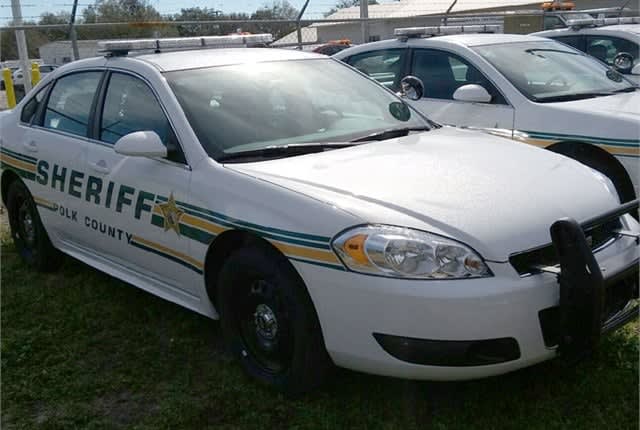
Photo courtesy of Polk County S.O.
The Polk County (Fla.) Sheriff's Office is striving to eliminate rear-end collisions in vehicles with an aftermarket collision avoidance system installed by fleet technicians, according to the agency's fleet administrator.
Since August, the office has been installing Mobileye 5-Series systems on its nearly 600 fleet vehicles, including. The system offers a forward-collision warning, pedestrian collision warning, headway monitoring, lane departure warning, and a speed limit indicator.
The system has helped deputies stay focused on their driving task amid the distractions inherent in the law enforcement field, including radio and other police equipment in the car, smartphones, and the need to scan the road ahead.
"In law enforcement, our mission has built-in distractions every day," said Francis Hart, fleet administrator for the office. "Finally, we have something that will get their heads out of the car to pay attention. This is something that gives you a fighting chance to prevent an oh-shoot moment."
The agency implemented the system to reduce rear-end crashes of deputies striking other motorists and agency fatalities of deputies driving off the roadway. The project gained urgency in 2013, when Master Deputy Sheriff Shane Robbins was killed in a crash when his vehicle left the roadway for unknown reasons.
"The fatality put it on the front burner," Hart said.
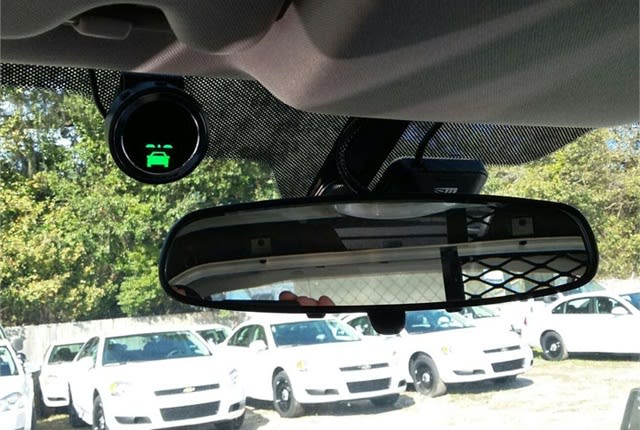
Photo courtesy of Polk County S.O.
Before installing the system on the fleet of market Chevrolet Impala sedans, the agency gave its fleet technicians training from Mobileye on installing the system, which includes a small camera mounted behind the rear-view mirror, a display mounted next to the rear-view mirror, and a cable connecting the system to the vehicle's diagnostics system. The system is transferable and can be pulled out and installed in another vehicle.
The agency can tailor the system's driving alerts, such as setting the following proximity to the vehicle ahead, proximity to the lane markers, and mph above the posted limit. The camera reads speed limit signs.
So far the office has invested about $375,000 to install the system in their vehicles, which equates to about $740 per vehicle. The investment has paid off for an agency that had two accidents costing about $500,000 prior to the installation of the system. No cars with a Mobileye system have been involved in a rear-end crash, Hart said.
The system is expected to be installed in the agency's nearly 600 vehicles by June, including marked units, unmarked units, jail detention vans, administration cars, crime scene vans, animal control trucks, and agriculture crimes trucks. The fleet logs more than 1 million miles of driving per month.
The agency patrols a mixed urban and rural jurisdiction that covers nearly 2,200 square miles with a population of about 700,000. Lakeland is the largest city in the county.
More Police

Ford Pro Introduces Full-Size 2028 Expedition Police Responder
Ford Pro gave law enforcement customers a first look at the pursuit-rated utility during Police Fleet Expo.
Read More →
Paterson Police Expand Drone Fleet, Launch Real-Time Operations Center
The Paterson Police Department has expanded its drone program and opened a new Real-Time Operations Center designed to support emergency response and incident management. The initiative integrates multiple technologies to provide officers with real-time information during investigations and public safety operations.
Read More →
Why Public Fleet Success Depends on More Than the Vehicles
Tim Coxwell of the Leon County Sheriff’s Office discusses the projects shaping his fleet operation, including long-term work around vehicle selection, greenhouse gas emissions, and cost per mile.
Read More →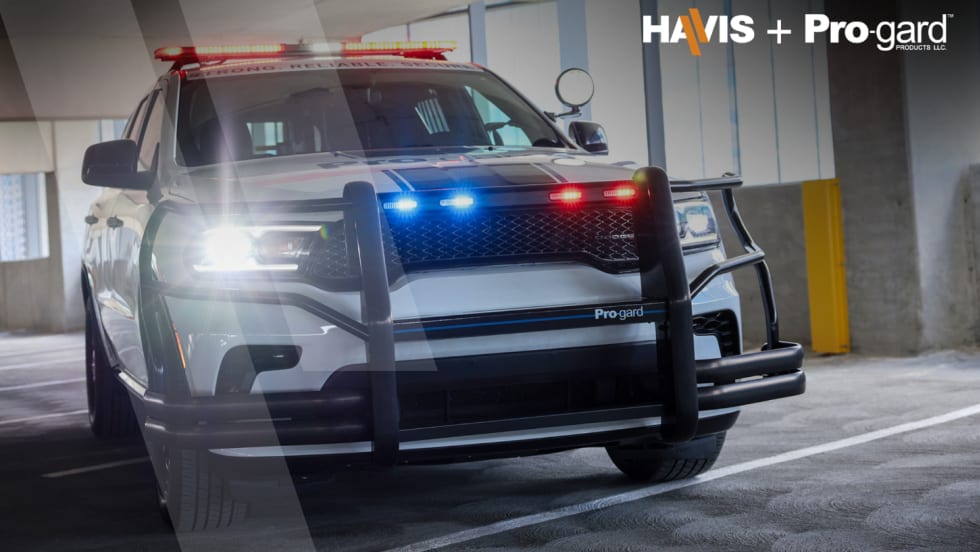
Havis Acquires Pro-gard Products
The acquisition brings together two manufacturers of public safety vehicle equipment under one company. Havis says the move expands its portfolio of products for outfitting law enforcement vehicles and other public safety fleets.
Read More →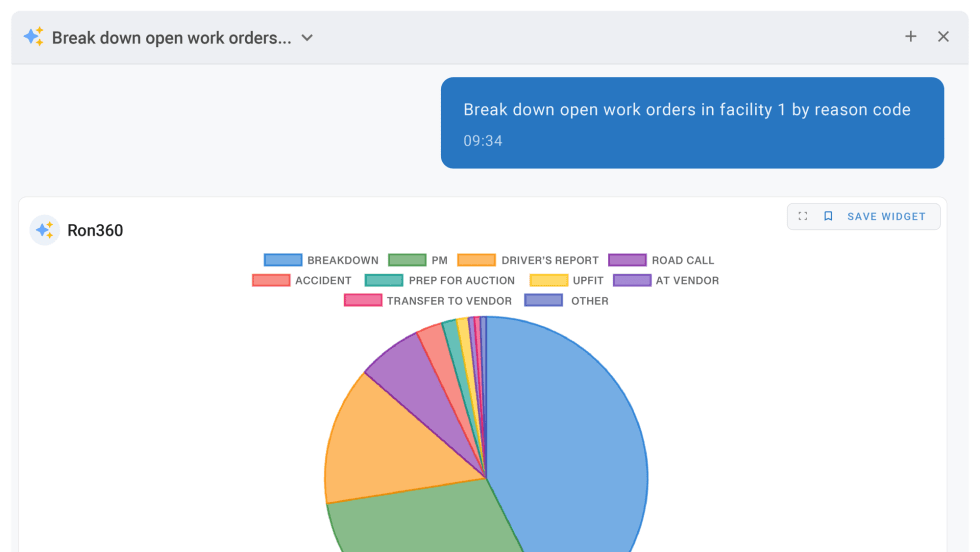
RTA Fleet Introduces AI Assistant for Fleet360 Platform
As artificial intelligence continues to gain traction across public-sector operations, fleet software providers are finding new ways to incorporate the technology into everyday workflows. RTA's latest addition aims to simplify how users interact with fleet data.
Read More →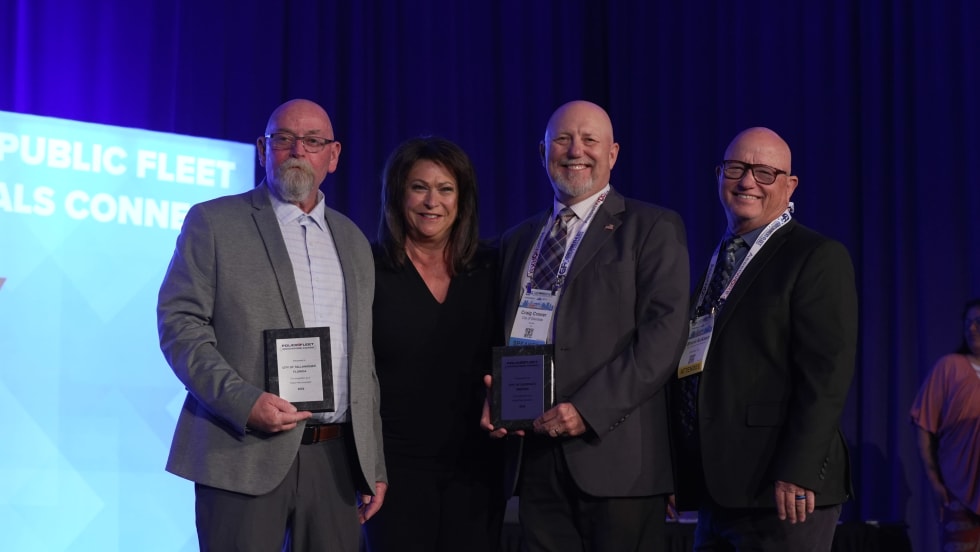
2026 Police Fleet Innovators Named
Meet the professionals finding new ways to solve some of law enforcement's toughest fleet challenges.
Read More →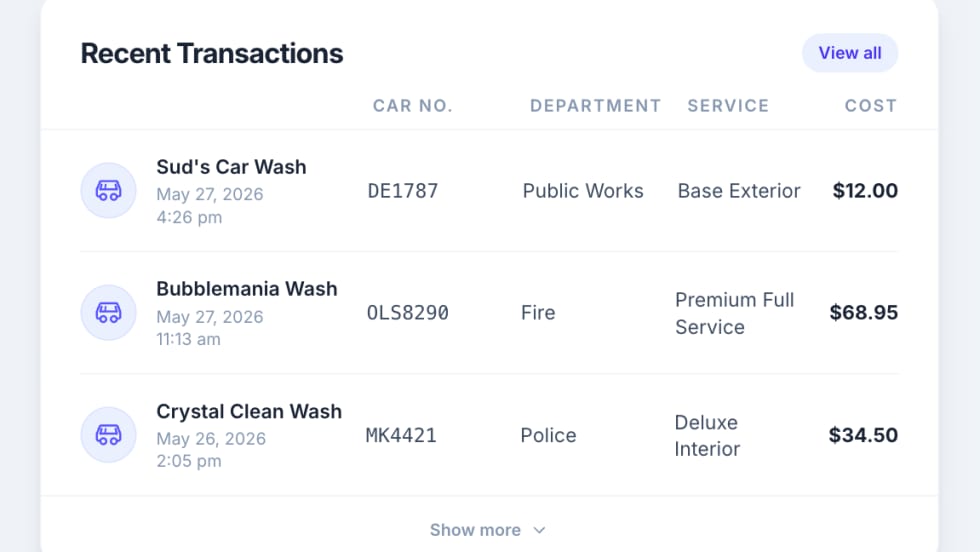
Rynse Expands Nationwide Fleet Wash Access for Law Enforcement
The North Carolina Sheriff’s Association Contract Cooperative purchasing contract aims to streamline procurement process for law enforcement agencies across the U.S.
Read More →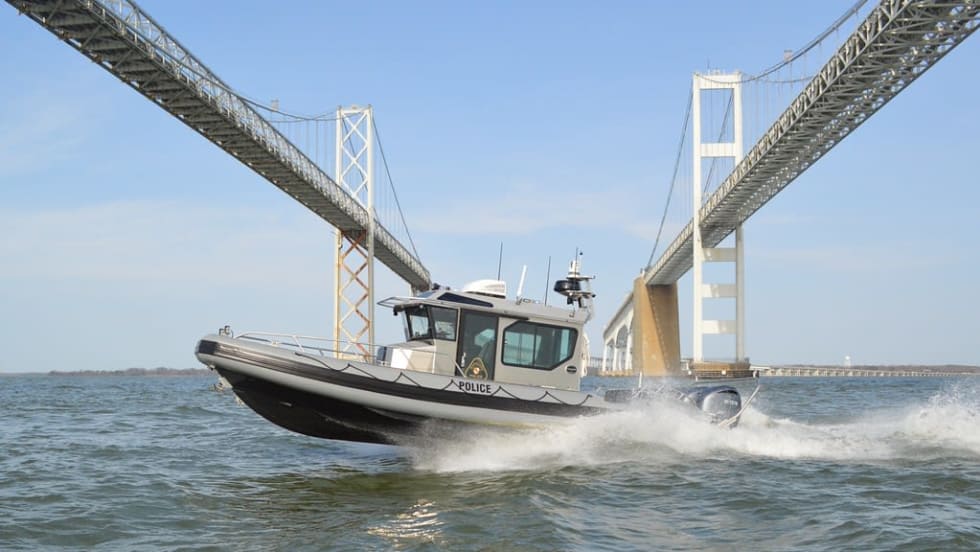
Maryland Natural Resources Police Adds 31-Foot Patrol Boat to Enforcement Fleet
A new addition to Maryland’s marine enforcement fleet is bringing expanded capabilities to Chesapeake Bay operations while honoring a legacy within the agency. The high-performance patrol vessel reflects how law enforcement fleets are adapting to growing demands on the water.
Read More →
LEHR Expands Florida Presence With Enforcement One Acquisition
LEHR has acquired Florida-based emergency vehicle upfitter Enforcement One, marking its eighth add-on acquisition.
Read More →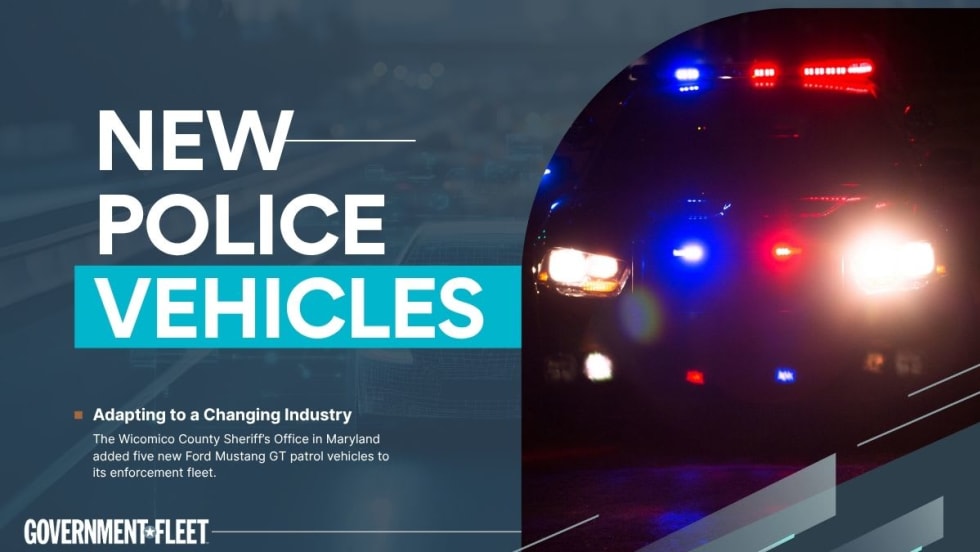
Maryland’s Wicomico County Sheriff Adds Mustang GT Patrol Vehicles
The agency is also working with the Maryland Police Training Commission on a specialized high-performance driving course for deputies assigned to the vehicles.
Read More →