


 MENU
MENU SEARCHMENUSEARCH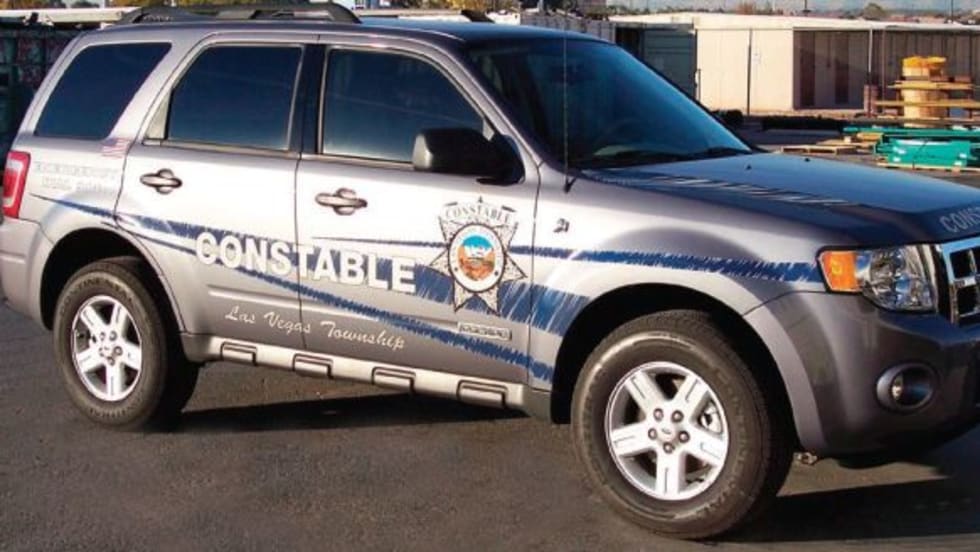
The Clark County Constable owns its fleet of 21 hybrids and plans to invest in other alternative-fuel options. The unit’s success can be duplicated by other public fleets.
Read More →
Despite losing 91 units, four out of five garages, all but one fuel island, and an entire data network, the City of Cedar Rapids, Iowa, fleet staff came together to overcome these challenges and forge a “new normal.”
Read More →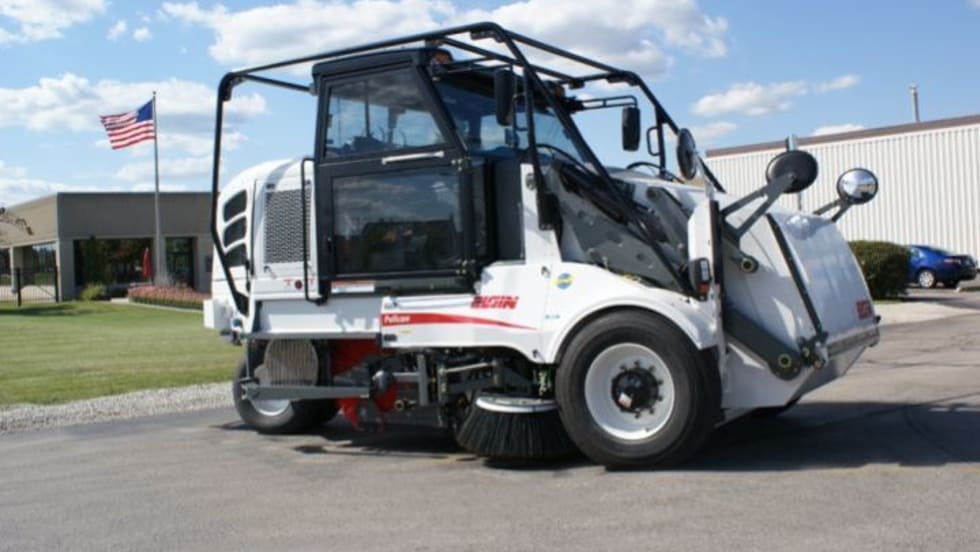
New 2010 diesel emission standards will require a 90-percent cut in NOx emissions. Elgin Sweeper discusses how it is meeting and overcoming this challenge.
Read More →Biodiesel use has dramatically increased the last few years, with production at a high of 450 million gallons in 2007. A number of private and public sector fleets have already discovered its benefits.
Read More →A business plan is a written description of your organization’s future. It should document vision and strategies.
Read More →“Hire the handicapped” is not just a slogan. A huge pool of qualified workers is ready to assist fleets through a federal program, AbilityOne. Employing them can make an important contribution to the community.
Read More →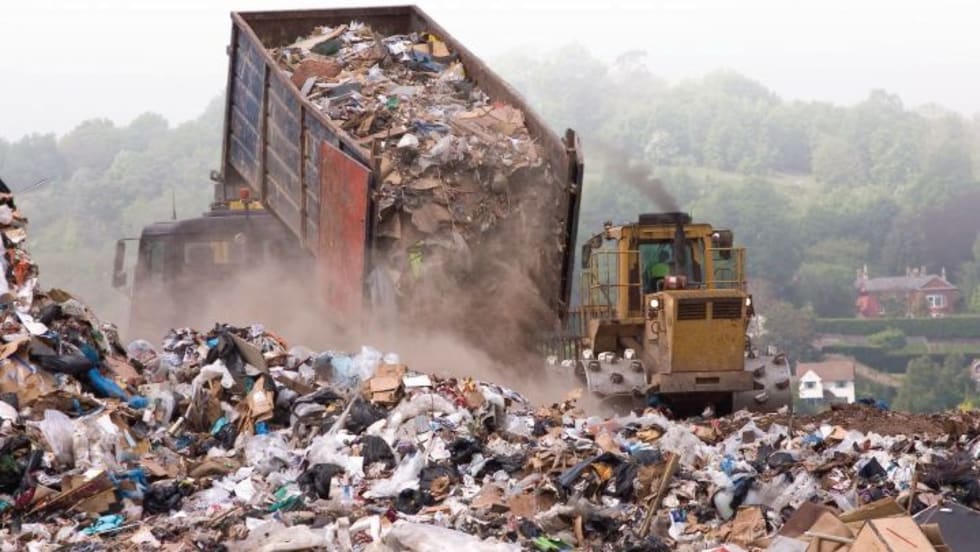
San Diego County, City of Portland, Ore., and Lee County, Fla., promote and share best practices in eliminating toxic and unsafe waste.
Read More →
A survey of various-sized municipal fleets across the country reveals a range of tool allowance figures and methods from flat per month or annual stipends to a per- hour allotment. Some cities furnish the tools directly.
Read More →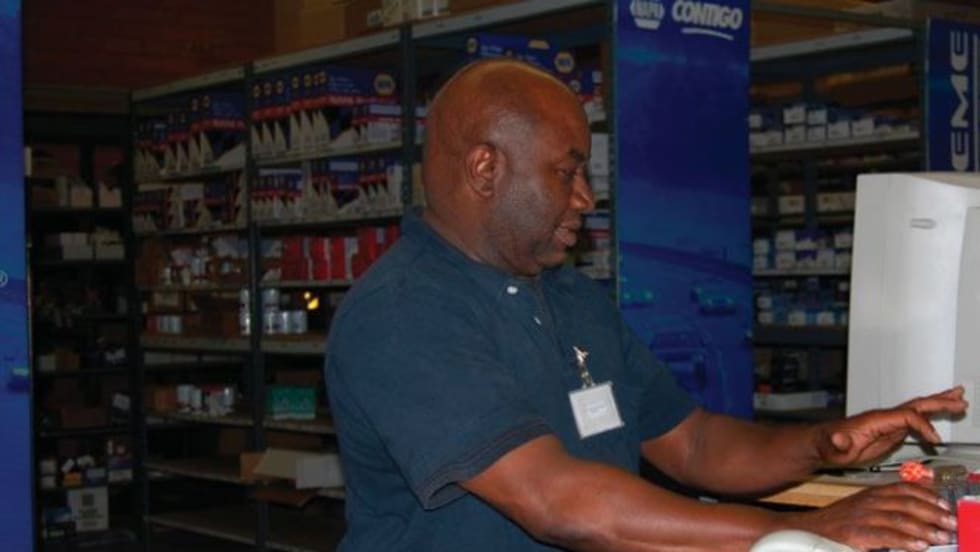
In the cities of South Bend, Ind.; Orlando, Fla., and Littleton, Colo., markups range from 15 to 25 percent. Most want to help cover costs with markups, but one fleet manager is investigating building a revenue-generation operation.
Read More →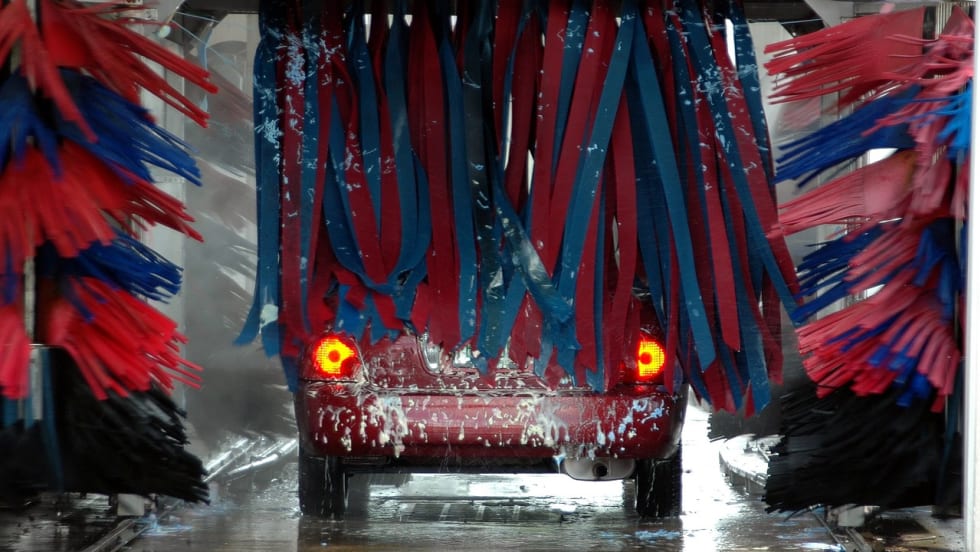
Keeping public sector fleet vehicles clean can be costly. However, strategies are available to help reduce costs and promote individual responsibility.
Read More →