


 MENU
MENU SEARCHMENUSEARCH
Lessons learned from the past helped fleet managers in southern Texas cope with the devastating Hurricane Ike, which made landfall at Galveston. Three Texas fleets that felt the hurricane’s impact share best practices.
Read More →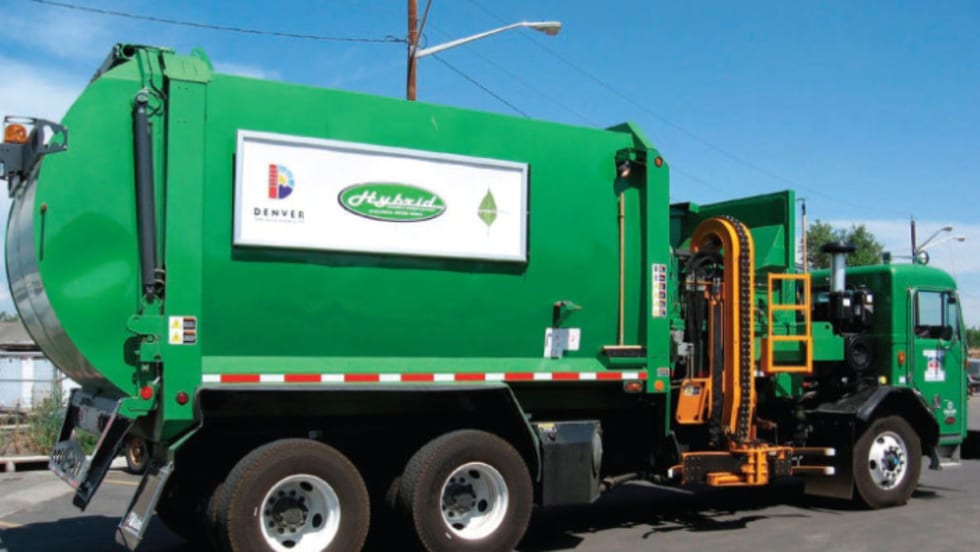
With a new hybrid-hydraulic trash truck, the City of Denver fleet achieves 25-percent better fuel economy and anticipates an annual reduction of 1,600 gallons of fuel.
Read More →
The tractor and utility vehicle manufacturer’s two new product series — the 5 Series and 6D Series — offer work tools to fit government maintenance fleet needs.
Read More →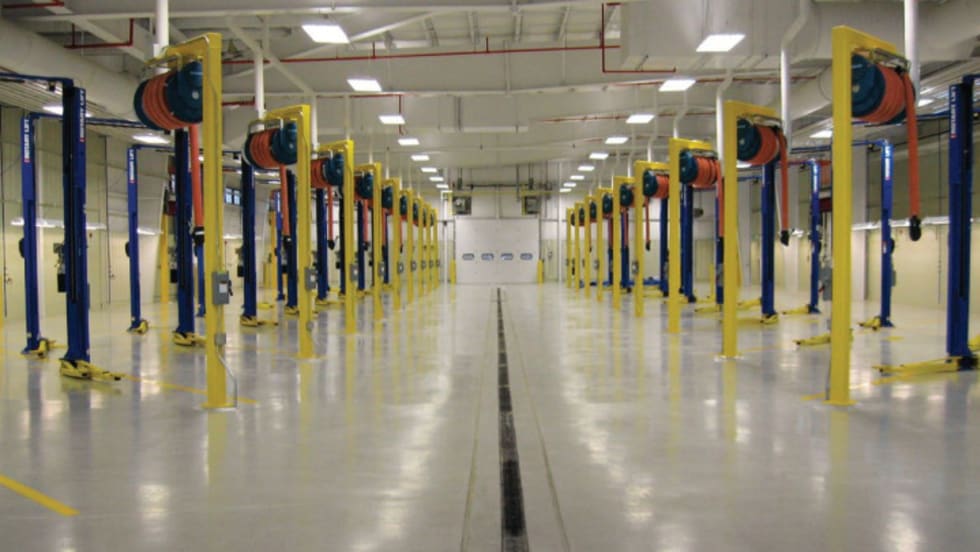
The City of Columbus, Ohio, demonstrates how updating facilities results in more than a new appearance.
Read More →
As the 2008 holiday season began last November, Government Fleet contacted public sector fleet managers to explore the impact of plummeting economic conditions on their professional responsibilities.
Read More →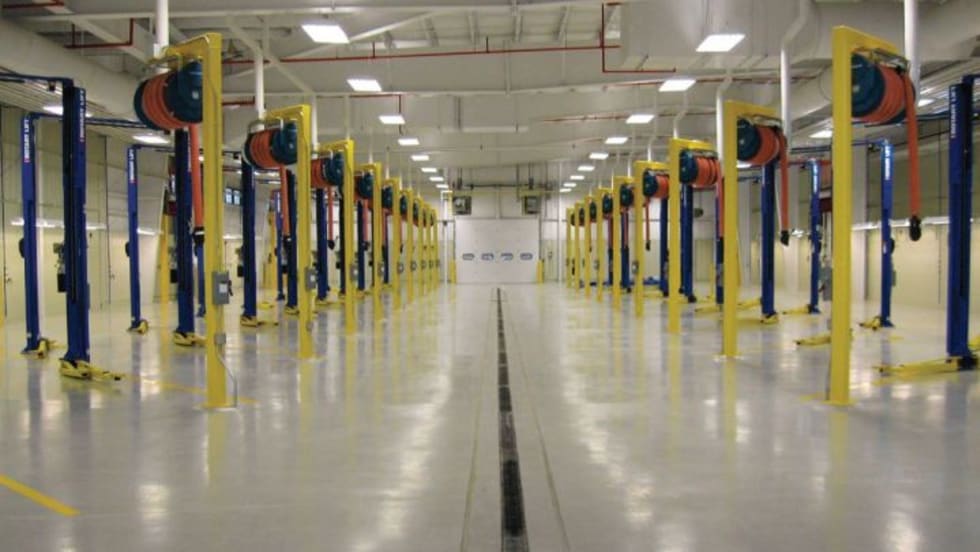
The City of Columbus, Ohio, demonstrates how updating facilities results in more than a new appearance.
Read More →
Polk County, Fla. is implementing a broad strategy to ensure employees who adhere to fuel-efficient guidelines share in the rewards.
Read More →
A consortium of 14 local and state government agencies uses its combined purchasing power to negotiate favorable pricing for medium-duty hybrid trucks. The group also aims to promote the availability of the new technology.
Read More →
In its 5th year, GF’s Public Sector Fleet Manager of the Year award, sponsored by ARI, recognizes outstanding achievements by government fleet professionals.
Read More →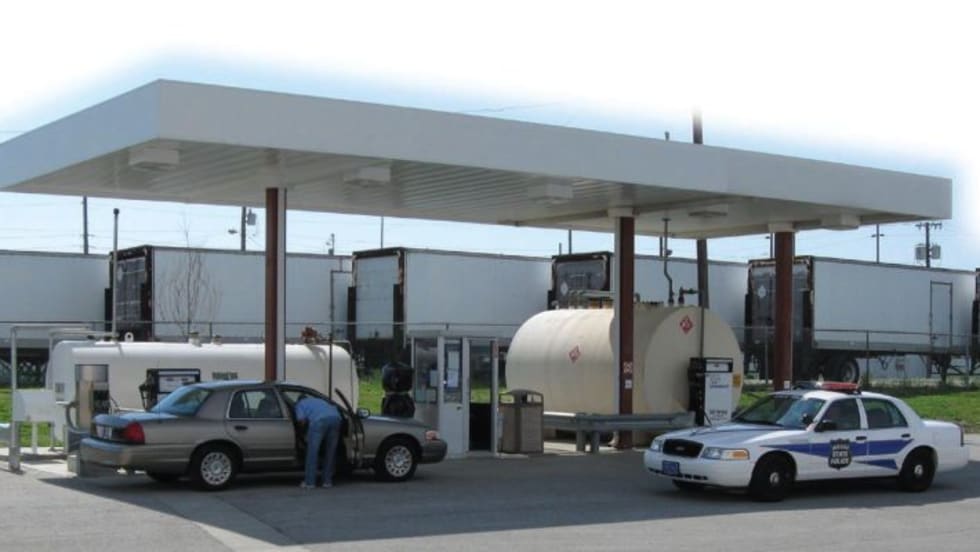
The States of Indiana and Illinois fleets improve fleet operations and their carbon footprint, all with the swipe of a card.
Read More →