


 MENU
MENU SEARCHMENUSEARCH
Despite losing 91 units, four out of five garages, all but one fuel island, and an entire data network, the City of Cedar Rapids fleet staff came together to overcome these challenges and forge a “new normal.”
Read More →
A warranty recovery program can be a source of savings from monetary reimbursements, credits, reallocation of shop resources, and shop efficiency improvements.
Read More →
The State’s fleet department continues to work toward a safe and cost-efficient fleet. Weekly license checks help the State assess driver risk, increasing driver safety, minimizing liability, and reducing accident costs.
Read More →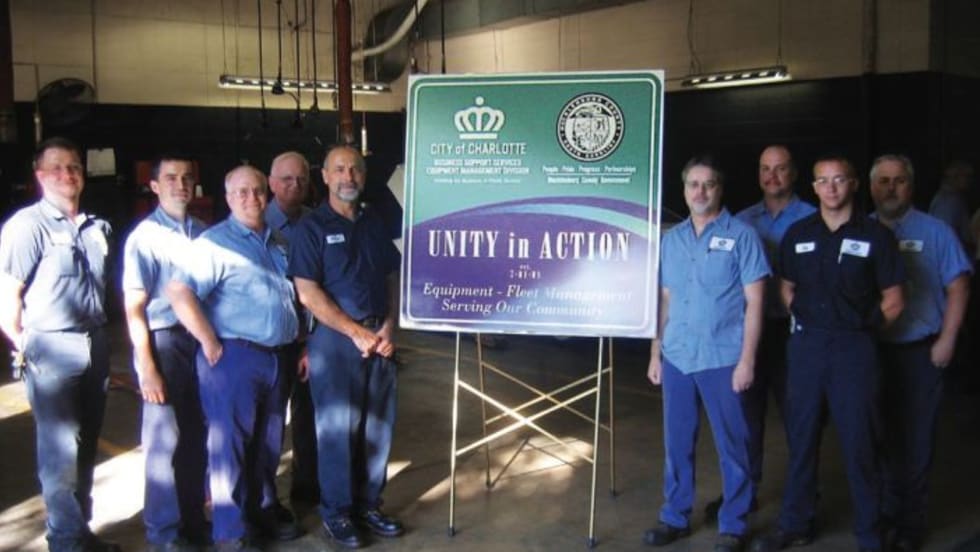
Mecklenburg County needed some assistance with its light-duty fleet vehicles, and the City of Charlotte proved it was right for the job.
Read More →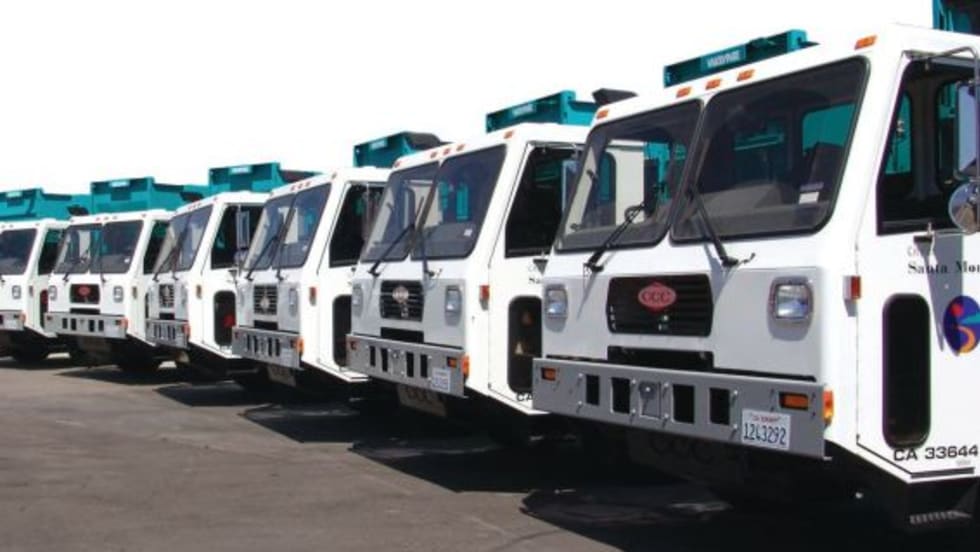
In 1993, the City of Santa Monica was one of the first agencies to set a vehicle reduction policy. Today, 84 percent of the 450 unit fleet represent a diverse mix of fuels and technologies.
Read More →Now more than ever, stressed-out fleet managers are turning to fuel management programs to maximize efficiency and keep expenditures down.
Read More →Public sector fleets feel the pain of soaring fuel costs even more than the private sector, and fuel management RFPs are more common than ever. Avoiding these mistakes will help make the process more successful.
Read More →
The responsibility for a productive pre-bid meeting falls to the fleet manager. The process begins with researched and well-written specifications.
Read More →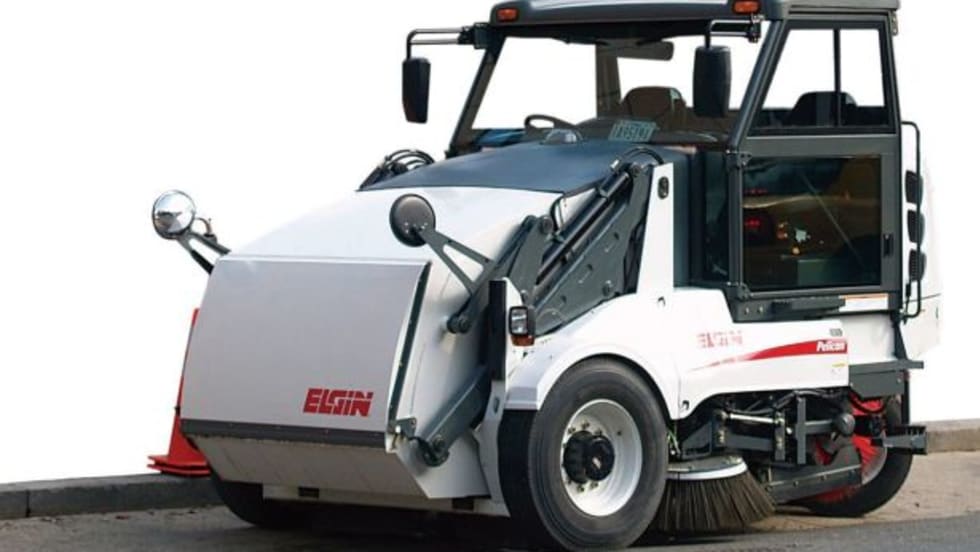
A wide variety of options can make spec’ing a street sweeper a daunting task. Failing to identify a fleet’s individual needs and neglecting to research sweeper functions are two common errors.
Read More →
The City and County of San Francisco converted all of their diesel-powered vehicles to B-20, testing the quality of the fuel at each stage of transport.
Read More →