


 MENU
MENU SEARCHMENUSEARCH
The City of Culver City, Calif.’s use of compressed natural gas (CNG) helped the fleet gain national recognition as a green leader, most recently the title of #1 Government Green Fleet in North America in 2009.
Read More →
With many public sector fleet budgets straining in difficult economic times, leasing construction equipment can provide a financially viable option to purchasing for short-term needs.
Read More →
Top viewed stories included "Budgeting for Today's Fuel Costs," " Best Practices in Disaster Recovery Planning," and " Hillsborough County Named No. 1 Again in 2009."
Read More →
Traditional methods of determining the most cost-effective fleet size can be inefficient and inaccurate. Several alternative methods can be used individually or in combination.
Read More →
Available in two configurations with an available unmarked version, the 2011 Chevrolet Caprice PPV is rear-wheel driven, offering six- and eight-cylinder engines.
Read More →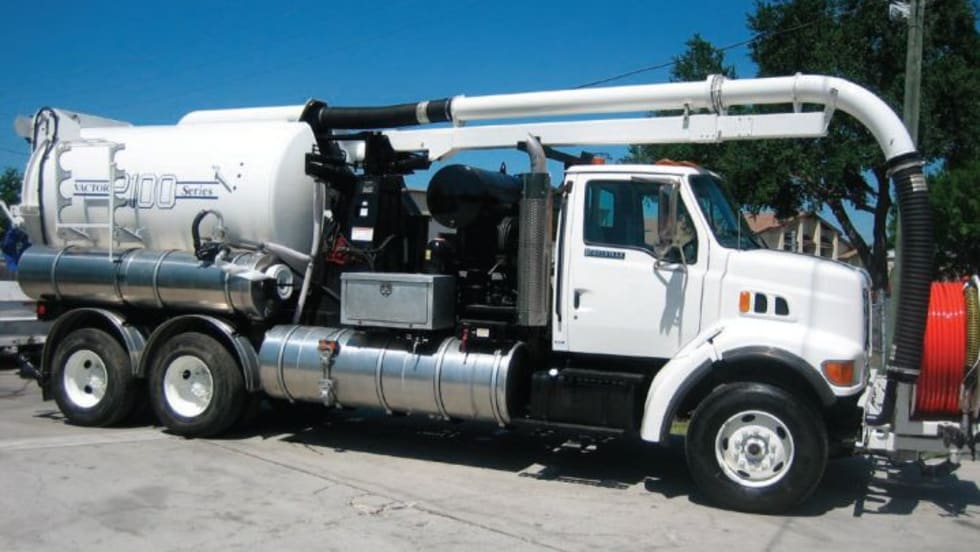
Sewer cleaning trucks help ensure a clean city, free from clogged drainage systems. Properly spec’ing and maintaining this equipment requires careful planning and a clear strategy.
Read More →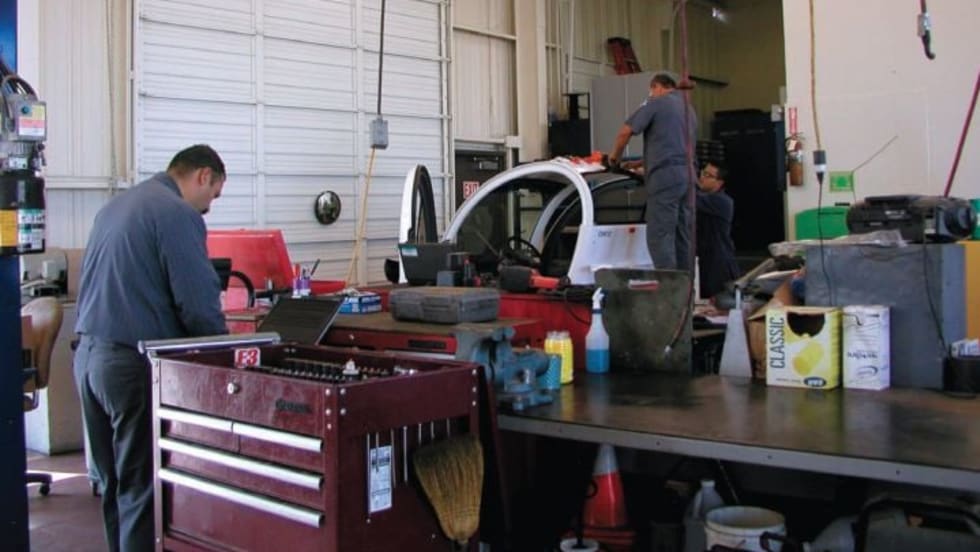
Public sector fleet managers often struggle with determining appropriate mechanic staffing levels. Quantifying labor demand and supply and accounting for individual fleet operations can provide the answers.
Read More →
Central motor pools offer cost-effective utilization of extra fleet units. Rotated use and preventive maintenance can extend vehicle lifecycles, while units flexibly serve the collective needs of end-user departments.
Read More →
Offering an alternative procurement method to help fleets save money, the National Joint Powers Alliance (NJPA) “creates an alliance between buyers and suppliers” to streamline the fleet purchasing process.
Read More →
A good working relationship between fleet and user departments begins with the spec’ing process and extends through the equipment service to its eventual resale or trade-in and can help avoid error.
Read More →