




13 Factors in Selecting a Police Unit Upfitter
Preparing a service-ready police unit may require more work than a small garage staff can handle, even with preplanning and experience. If a fleet staff is too busy maintaining in-service vehicles, outsourcing may be the solution.
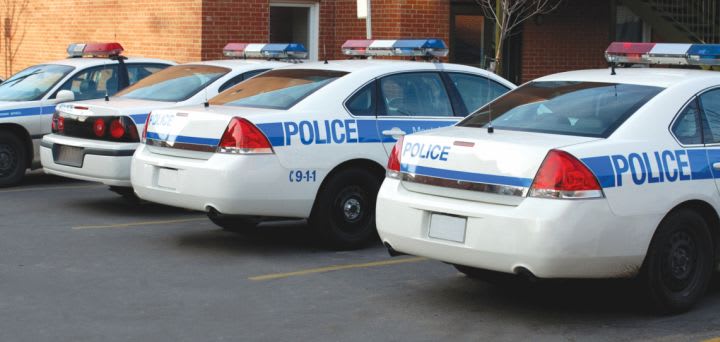
Many agencies nationwide are taking a look at the procedures that get their police units service-ready. As these vehicles are becoming more complex, budgets and personnel pools are shrinking. In many cases, the units are delivered factory-fresh with few, if any, required "add-on items."
The tremendous amount of work required to service-ready police units can overwhelm a small garage staff. Preplanning and experience will get a technician staff through the process. However, if a fleet maintenance staff is too busy maintaining in-service vehicles, outsourcing the job of police unit upfitting must be considered. The following key factors provide guidance in selecting an outsourced upfitter:
1. Experience. A vendor who has worked with other public sector agencies is familiar with the overall process and knows what may be required to do the job correctly.
2. Auto Manufacturer Drop-Ship Code. Vendors must meet particular auto manufacturer criteria to obtain drop-ship codes, providing a qualification measure to assist an agency choose the right vendor.
3. Insurance. This important requirement should be closely reviewed. The vendor should carry adequate insurance, and the fleet manager should receive an additional statement from the vendor's insurance carrier indicating awareness of the vendor's work on law enforcement vehicles. Often, vendors have common garagemans liability insurance that does not cover work on law enforcement vehicles.
4. Request Records. With each vehicle, request a vendor-supplied record of upfitting components and equipment placed in the unit and the employee who performed the installation. This record often provides help in pinpointing a problem that could occur in more than one unit. It also motivates the technician to ensure his or her work is done correctly since the installation work is documented.
5. Security. Request a security statement detailing how the vehicles will be safely stored and secured while in the vendor's custody.
6. Detailed Task List. This list reveals how the vendor plans to complete your units. Review how the vendor deploys personnel. Examining the task list provides a measure of the vendor's capabilities to handle the job.
7. Resumes. Resumes should be available to review, especially for key technicians who will perform final communications equipment wiring and testing. Confirm technicians have been in the law enforcement vehicle field for a few years.
8. References. Ask for a list of references and do not hesitate to contact them. Do not be afraid to ask references such questions as, "Was the job completed in time with no issues?"
9. Consult Auto Manufacturers. OEMs know if a shop has been performing a volume of work in the area. Auto manufacturer engineers often speak to installers for input and feedback.
10. Subcontractors. A vendor's list of subcontractors is a must. You do not want to find out your vendor uses an unreputable subcontractor. Without being questioned, the vendor may not tell you.
11. Manufacturer Representation List. This list can be very helpful if the vendor represents equipment manufacturers you use. Manufacturers often run training sessions to explain detailed equipment installation procedures. However, do not rule out a vendor just because he or she does not represent your equipment's manufacturer. Many manufacturers frown on vendors who distribute competitive equipment, and this may be a reason the vendor is not an official representative of a particular manufacturer. A vendor's ability to install equipment should not be affected by service as a specific OEM rep.
12. Wiring Diagrams. These documents can be very helpful in the future to assist in vehicle repair. A vendor with experience should be able to easily provide wiring diagrams.
13. Cost. A vendor's cost is certainly something to consider carefully. Often, agencies can have vehicles upfitted by an outside source cheaper and faster than by their internal staffs. You may be surprised to discover how some install shops have the police unit building process down to a science. If a vendor's business prepares law enforcement units for service and has experience successfully fulfilling a job your size, often the vendor can save money and valuable time.
About the Author
Steve Contarino is vice-president, vehicle operations, of Adamson Industries Corp., a law enforcement vehicle and products provider headquartered in Haverhill, Mass. He can be reached at scontarino@adamsonindustries.com.
More Police
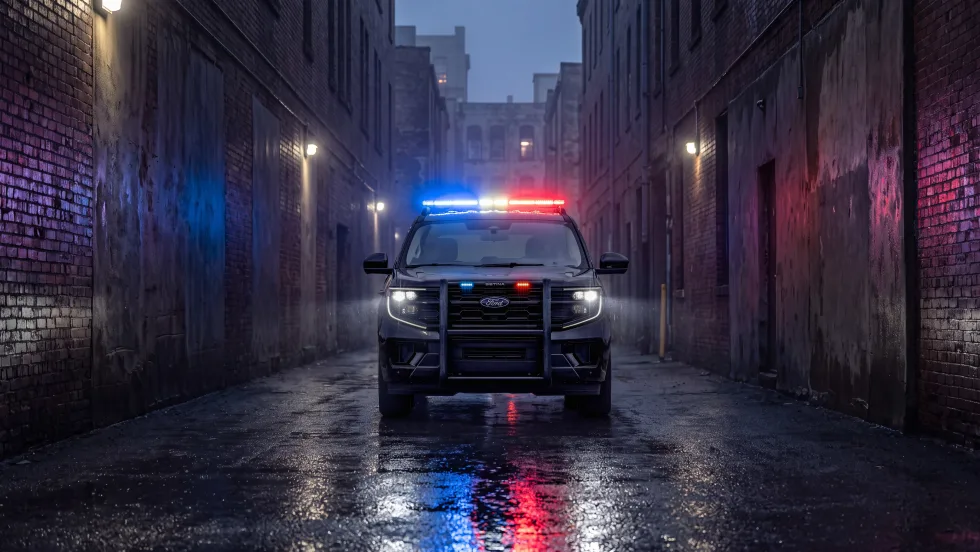
Ford Pro Introduces Full-Size 2028 Expedition Police Responder
Ford Pro gave law enforcement customers a first look at the pursuit-rated utility during Police Fleet Expo.
Read More →
Paterson Police Expand Drone Fleet, Launch Real-Time Operations Center
The Paterson Police Department has expanded its drone program and opened a new Real-Time Operations Center designed to support emergency response and incident management. The initiative integrates multiple technologies to provide officers with real-time information during investigations and public safety operations.
Read More →
Why Public Fleet Success Depends on More Than the Vehicles
Tim Coxwell of the Leon County Sheriff’s Office discusses the projects shaping his fleet operation, including long-term work around vehicle selection, greenhouse gas emissions, and cost per mile.
Read More →
Havis Acquires Pro-gard Products
The acquisition brings together two manufacturers of public safety vehicle equipment under one company. Havis says the move expands its portfolio of products for outfitting law enforcement vehicles and other public safety fleets.
Read More →
RTA Fleet Introduces AI Assistant for Fleet360 Platform
As artificial intelligence continues to gain traction across public-sector operations, fleet software providers are finding new ways to incorporate the technology into everyday workflows. RTA's latest addition aims to simplify how users interact with fleet data.
Read More →
2026 Police Fleet Innovators Named
Meet the professionals finding new ways to solve some of law enforcement's toughest fleet challenges.
Read More →
Rynse Expands Nationwide Fleet Wash Access for Law Enforcement
The North Carolina Sheriff’s Association Contract Cooperative purchasing contract aims to streamline procurement process for law enforcement agencies across the U.S.
Read More →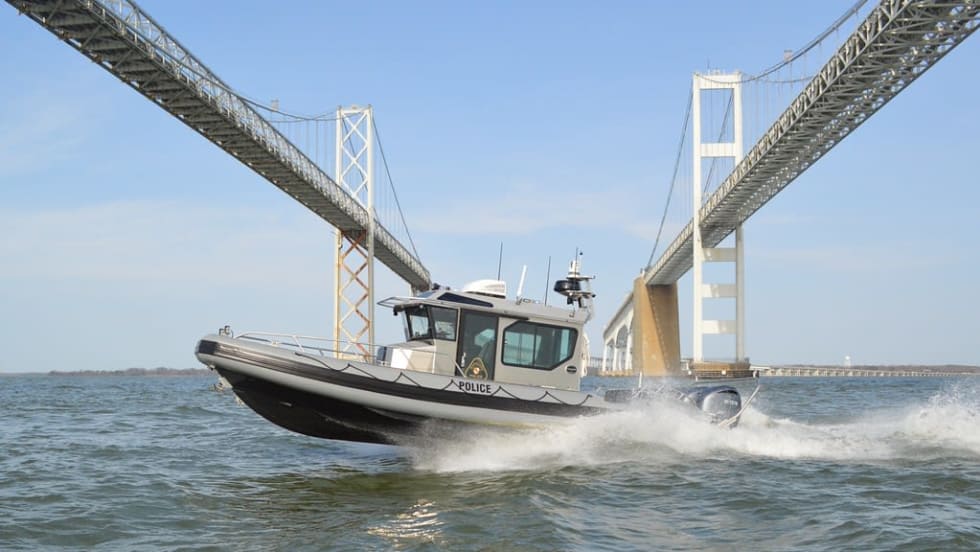
Maryland Natural Resources Police Adds 31-Foot Patrol Boat to Enforcement Fleet
A new addition to Maryland’s marine enforcement fleet is bringing expanded capabilities to Chesapeake Bay operations while honoring a legacy within the agency. The high-performance patrol vessel reflects how law enforcement fleets are adapting to growing demands on the water.
Read More →
LEHR Expands Florida Presence With Enforcement One Acquisition
LEHR has acquired Florida-based emergency vehicle upfitter Enforcement One, marking its eighth add-on acquisition.
Read More →
Maryland’s Wicomico County Sheriff Adds Mustang GT Patrol Vehicles
The agency is also working with the Maryland Police Training Commission on a specialized high-performance driving course for deputies assigned to the vehicles.
Read More →