


 MENU
MENU SEARCHMENUSEARCH
Pledging to “take your fleet to the next level,” the annual conference targeting public sector fleet managers is scheduled June 21-23 in Austin, Texas.
Read More →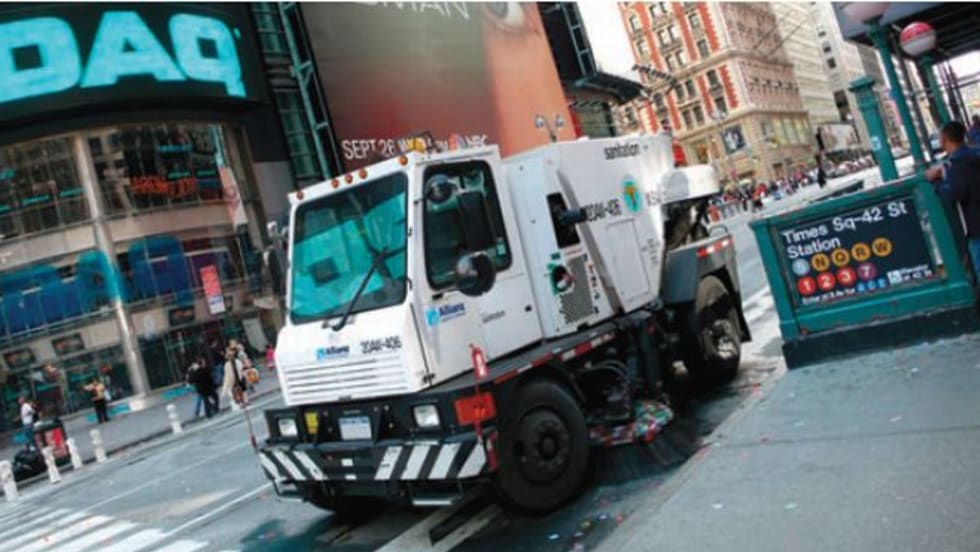
A lifecycle cost analysis will help fleet managers present a solid case for sweeper purchases. The task includes gathering the right data, researching the equipment application, and consulting the experts.
Read More →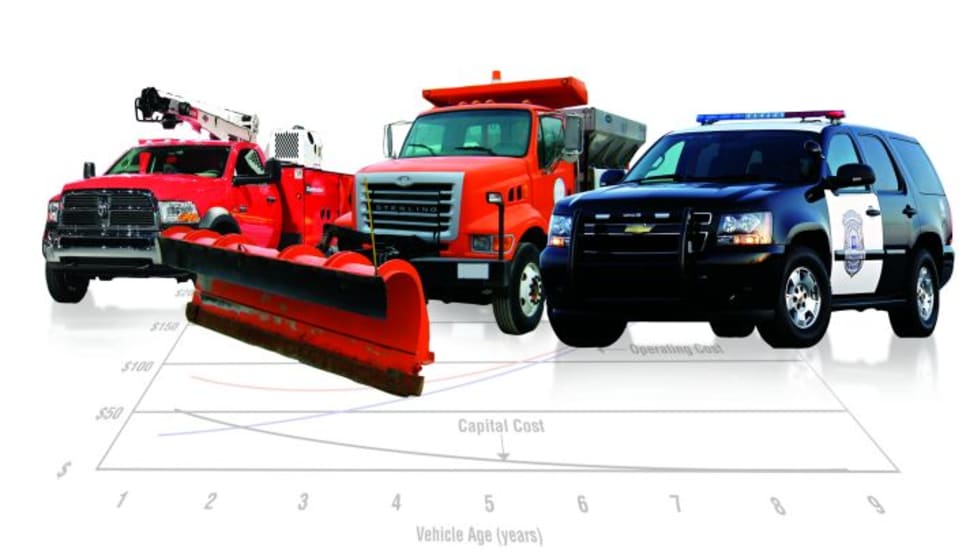
Rather than simply defer replacement purchases to meet short-term budget-balancing goals, fleet managers should use today’s fiscal challenges to reappraise their organization’s approach to fleet replacement.
Read More →
Second only to depreciation, fuel is the second-largest public sector fleet expense. Municipal, county, and state fleets share best practices in reducing fuel expenses.
Read More →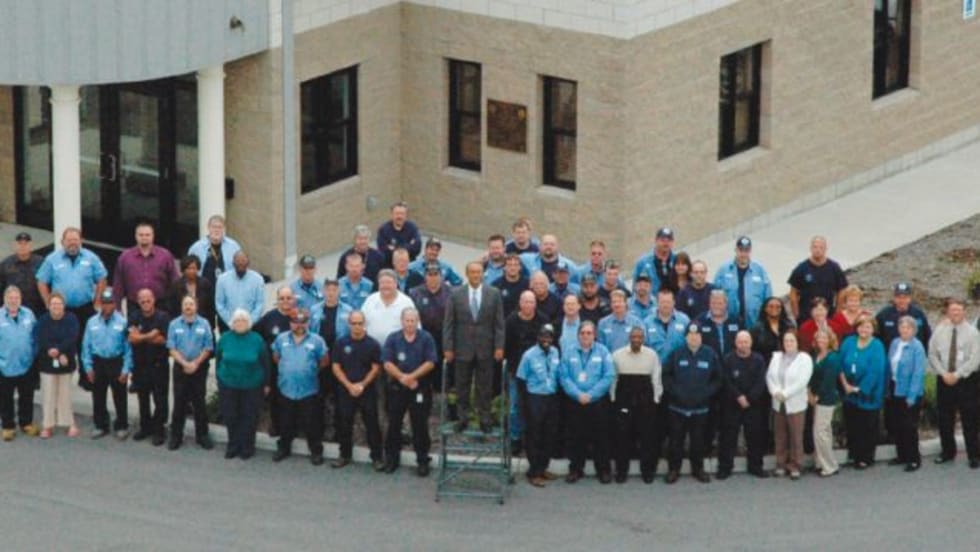
The City of Columbus, Ohio, fleet organization centralized operations in 2008. The fleet manager’s first-person account relates challenges, pitfalls, and rewards experienced in the process.
Read More →
After reinventing its accident management program and moving to automated reporting, the City of Tacoma, Wash., dramatically improved customer service ratings and lowered fleet operating costs.
Read More →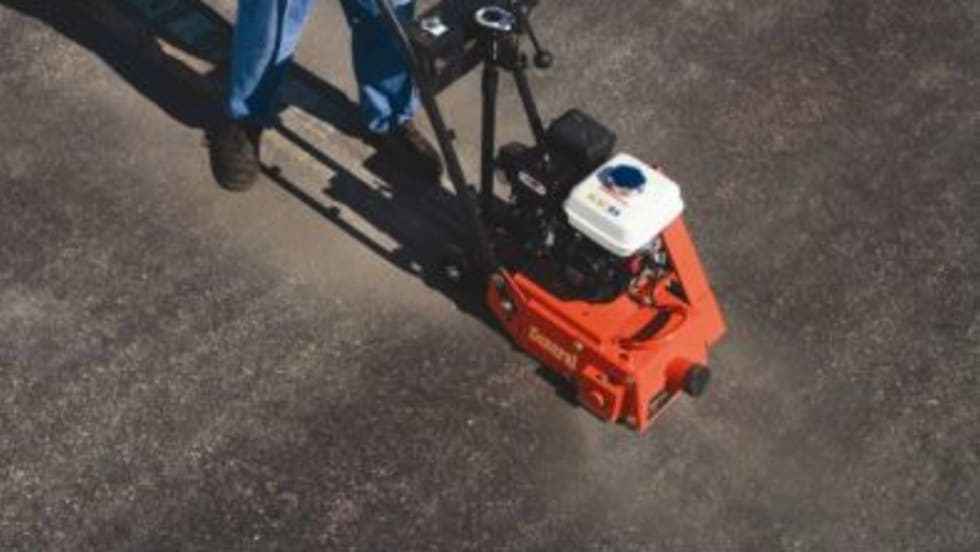
Surface planer operation requires multiple considerations, such as choosing the right equipment, using the correct flail, and plugging into the right power source.
Read More →
Seattle moves full-force toward a 100-percent advanced technology and alt-fuels fleet. The initiative has resulted in better gas mileage, lower greenhouse gas emissions, and a reduction in annual petroleum fuel use.
Read More →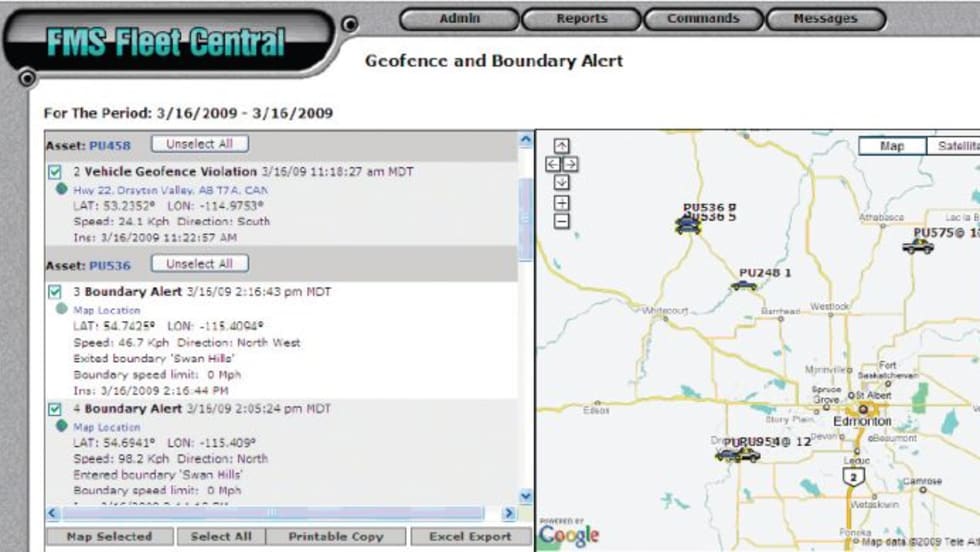
The U.S. Department of Homeland Security’s Office of Detention and Removal Operations employs a “smart GPS” system to track and monitor its far-flung 4,500-unit fleet.
Read More →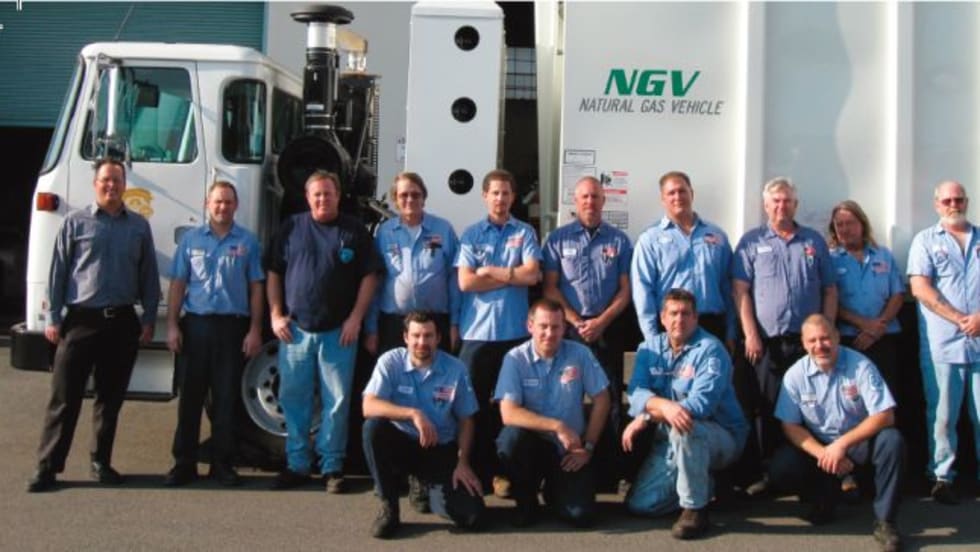
The Southern California city’s solid refuse fleet is now 100-percent CNG-fueled. While the move to CNG required an infrastructure capital investment, the benefits include lower fuel and maintenance costs, and reduced emissions.
Read More →