




Using a Dashboard to Measure Fleet Performance
Similar to a vehicle's dashboard, this monitoring system helps managers oversee all aspects of the fleet operation to ensure efficiency and track productivity.

California's San Bernardino County faces unique challenges as it operates a fleet of 5,000 vehicles across 20,160 square miles. The county stretches from Los Angeles to one of the largest deserts in the United States with 22 fuel sites located throughout.
As the nation's largest county, it needed a way to manage and track county vehicle information in an effort to control costs.
The county uses an information sharing system called a "dashboard" to track costs, maintenance, and vehicle use. Similar to the dashboard of a car or the instrument panel of an aircraft, the system provides vital information to gauge fleet performance.
"We are putting the human mind to work at what it does best: molding diverse information into an overview to make an informed decision," says Roger Weaver, director of fleet services for San Bernardino County.
While a completely automated system is still being developed, the county pulls monthly reports of all vehicle data by department to create a summary that is e-mailed back to each department head.
Brent Wahl, fleet management superintendent, says the response from county personnel has been positive and more than 75 vehicles have already been removed from the fleet.
Improve Efficiency & Repair Times
Today's fleet managers spend 50 percent of their time thinking strategically, says Murray Kidner, a dashboard program developer. Those who do not monitor their fleet's performance on a daily basis are in danger of losing their jobs or being outsourced, he adds.
"Your job is to gather quality, real-time information and analyze and digest complex data to look for insights into enhanced productivity. Then, translate it for the workforce," says Kidner. He is also a former fleet manager for the City of Vancouver in British Columbia.
According to Kathy Merrill, a fleet consultant in Flint, Mich., "The dashboard communicates to your employees, superiors, and stakeholders how well the organization is performing.
"A dashboard is designed to capture the critical performance measures that are pertinent to the capabilities of your operation. It comprehends the areas within your operation that need improvement and links them to the results of your operation."
Before using a dashboard, the fleet in Washington, D.C., had a baseline repair time of 5.2 days. Now, the preventive maintenance cycle has been shortened to one day and general repairs only take an average of two days, says Patricia Robinson, deputy administrator.
Commander Nolan of the Palm Beach County (Fla.) Sheriff's Office uses a computerized printout daily, weekly, and monthly to compare where the department is and where it would like to be.
Custom Dashboard Designs
An advantage to monitoring with a dashboard system is that the parameters can be changed to meet the needs of each individual fleet, says Kidner.
"It should be designed to see at a glance the condition of your entire fleet operation by looking over several gauges, graphs, and outputs," says Kidner. "Seeing a variance allows you to drill down directly from the dashboard to analyze the problem."
Dashboards can produce results on all aspects of a fleet operation, including technician performance, facility utilization, customer input, and finance budget conditions.
"Overall efficiency is achieved by the overview of the most important fleet performance characteristics," adds Kidner.
The dashboard is designed to be a data mining and analysis program. It assists in the goal of serving customers better with less communication needed and educates the organization about fleet operations.
Remote Internet access assures taxpayers and stakeholders that their fleet is well managed and reduces outsourcing to competitors. The dashboard is Internet/Intranet ready and can be accessed by multiple users.
More Operations
Is Delaying Fleet Replacement Really Saving Money?
Could delaying replacement cost your fleet more than it saves? This week’s recap takes a closer look, plus an update on GFX 2027.
Read More →
What Government Fleets Are Missing About Their True Costs
What are fleet budgets missing, and how can agencies use the data they already collect to make a stronger case for change?
Read More →
Rethinking Fleet Decisions From the Budget Office to the Shop
This October we looked back at how public fleets are reconsidering familiar processes and using what they learn to make better decisions.
Read More →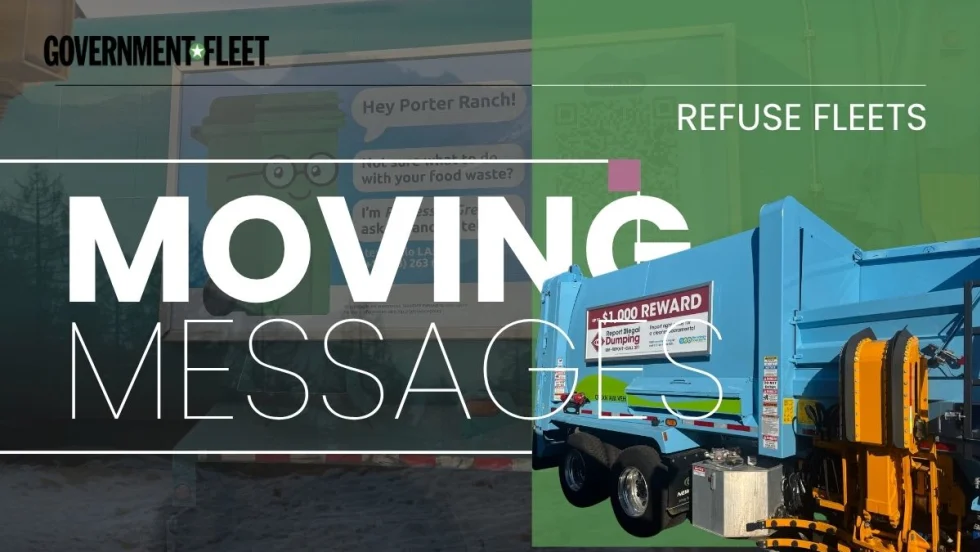
Who Owns the Message on a Refuse Truck?
Refuse trucks can carry public messages into neighborhoods, but keeping those messages current takes planning and clear responsibility.
Read More →
Who Deserves Fleet Recognition and What Could You Teach at GFX?
Who helped shape your fleet career, and what have you learned that could help someone else?
Read More →
What’s Haunting Public Sector Fleets?
Public sector fleet challenges rarely happen in isolation, and addressing one often means understanding how it connects to another.
Read More →
Is Keeping Older Fleet Vehicles Really Saving Money?
Is keeping vehicles longer saving money, and what happens when a diagnostic test points to the wrong fix?
Read More →
How Smart Fleet Strategy Can Help Local Government Agencies Do More with Less
Keeping a vehicle longer may ease this year’s budget, but what does it cost the next one? A closer look at fleet decisions can reveal opportunities to reduce spending while protecting essential services.
Read More →
Connect with Government Fleet on LinkedIn
From industry news and fleet management strategies to conversations with peers, Government Fleet's LinkedIn page offers public-sector fleet professionals another way to stay informed and connected.
Read More →
Town of Queen Creek Named Most Successful Fleet Award Winner of Inaugural RTA Fleet Success Awards
Five fleets were honored at RTA Connect 2026 in Chicago for excellence across resource efficiency, intentional culture, risk management, and stakeholder satisfaction.
Read More →