




Key Takeaways
• A modern fleet maintenance garage is an investment, not an expense. Its design directly affects safety, efficiency, and financial performance.
• Every design choice has measurable ROI. Workflow, materials, air systems, and amenities translate into time, energy, and maintenance savings.
• To secure funding, communicate in outcomes. Demonstrate how design features reduce costs, extend asset life, and improve service reliability.
• The facility is a reflection of the organization’s priorities. Investing in safety, sustainability, and people signals long-term stewardship of public resources.
• The benefits compound over decades. A purpose-built garage enhances readiness, resilience, and return—ensuring that public fleets remain the engines of community service for generations to come.
The Business Case for Building a Modern Fleet Maintenance Garage
A well-designed fleet maintenance facility is more than a workspace—it’s a long-term investment that drives safety, efficiency, and fiscal responsibility while strengthening a community’s ability to serve.
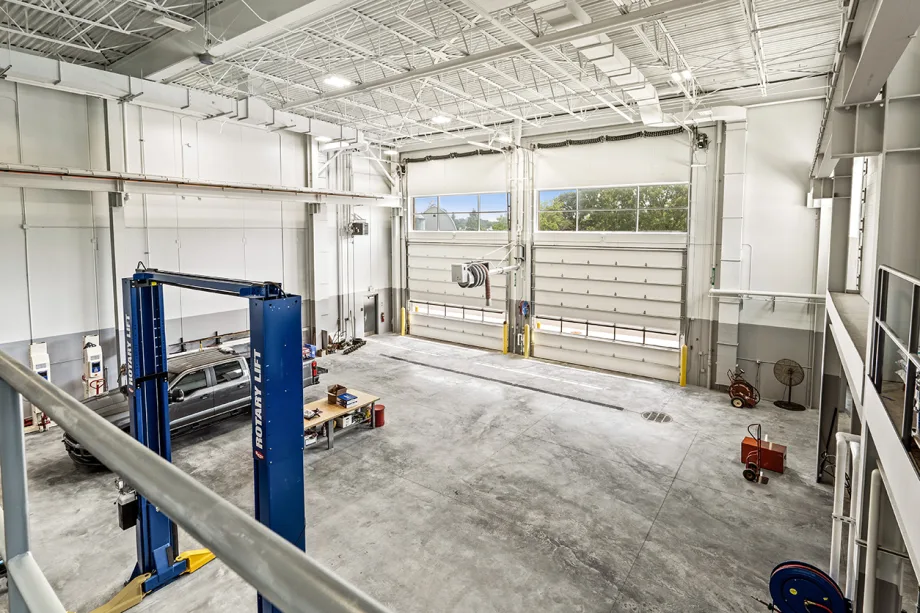
A fleet maintenance garage may never draw the same attention as a city hall renovation or new park, yet its impact on municipal efficiency is profound.
Photo: Barrientos Design & Consulting, Inc.
For most public agencies, the fleet maintenance garage is the invisible heartbeat of daily operations. Snowplows clear the streets, police vehicles respond to emergencies, and public works crews repair water mains—but behind each of these services is a shop full of technicians, tools, and equipment keeping vehicles running safely and efficiently.
When that facility is outdated, undersized, or cobbled together from old structures, it doesn’t just inconvenience staff; it quietly undermines productivity, safety, and long-term financial performance. What once functioned as a makeshift space for a small fleet often becomes a costly bottleneck as vehicles grow larger, technology becomes more complex, and environmental standards tighten.
That’s why developing a new fleet maintenance garage is not simply a construction project; it’s a strategic capital investment. The challenge for many fleet professionals, however, lies not in understanding the operational need but in making the case and demonstrating to municipal leaders, administrators, and finance directors that a new facility is essential infrastructure with a measurable return.
A purpose-built fleet maintenance garage designed to modern standards is a long-term operational tool that touches every corner of a municipality’s performance: cost control, safety, efficiency, sustainability, and workforce retention. This article explores how and why these projects deliver proven value across what we call the triple bottom line: operational excellence, financial responsibility, and employee well-being.
Designing for Modern Demands
A modern fleet maintenance facility differs fundamentally from its predecessors. Rather than adapting an old warehouse or combining multiple outdated structures, a purpose-built design begins with a question: What does the fleet need to operate efficiently and safely, both today and decades from now?
Optimized Workflow and Layout
The heart of any shop is the movement of vehicles, people, parts, and information. In older facilities, these flows often conflict: trucks back into blind corners, technicians cross vehicle paths, and parts storage is scattered. Modern layouts solve this with logical, looped circulation, clear sightlines, and dedicated zones for inspection, maintenance, wash bays, parts storage, and administrative functions.
This kind of planning translates directly into measurable returns. Reduced maneuvering time alone can save hundreds of technician hours each year, time that turns into completed repairs and more vehicles on the road.
Service Bays That Fit the Fleet
Too many garages force large vehicles into bays designed for pickup trucks. The result is inefficiency, unsafe working conditions, and damage to vehicles and structures. Purpose-built facilities provide right-sized bays with proper width, depth, and overhead clearance for every fleet type, from light-duty sedans to heavy snowplows and fire apparatus.
Trenches, lifts, and overhead cranes further streamline work and reduce time lost to repositioning or off-site repairs. Each of these design decisions represents quantifiable labor savings that compound over the life of the building.
Built-In Safety Systems
Integrated safety features, such as vehicle exhaust extraction, fall protection, hazardous-material isolation, and eyewash stations, are not luxuries. They’re the foundation of risk reduction. Facilities equipped with these systems see fewer accidents, lower insurance premiums, and improved compliance with OSHA and local codes.
High-Performance Building Systems
Ventilation, lighting, and utilities define the comfort and functionality of a maintenance shop. Modern facilities incorporate high-air-change HVAC systems that remove fumes and dust, LED lighting that provides bright, uniform illumination without glare, and robust power and compressed-air distribution to each bay. The energy savings alone can reduce utility costs by 20–30 percent annually.
Materials That Endure
Floors, walls, and structures take a beating in fleet environments. Selecting chemical-resistant concrete coatings, corrosion-resistant metals, and washable finishes doesn’t just keep the shop clean; it minimizes long-term maintenance costs and downtime for repairs. A slightly higher upfront investment in durable materials often pays back within the first decade through reduced upkeep.
Spaces That Support Specialized Work
Every fleet operation includes specialized functions such as welding, fabrication, tire service, and hydraulic repair. Purpose-designed spaces equipped with the right tools, ventilation, and storage allow these activities to occur safely in-house rather than being outsourced. This shift can save municipalities thousands each year in vendor costs and transportation time.
Sustainable and Responsible Design
Sustainability in fleet design goes beyond energy efficiency. Oil-water separators, stormwater management systems, and waste-fluid containment prevent contamination and reduce environmental liability. High-performance insulation, daylighting, and potential solar integration lower energy demand and can make projects eligible for grants or incentive programs, another tangible return.
Technology Integration
Modern diagnostics, digital inventory systems, and telematics have become everyday tools for fleet management. Embedding IT infrastructure into the facility, like server rooms, data cabling, and wireless coverage, ensures these systems function seamlessly and positions the garage for future technologies such as EV charging,automation, or fleet management analytics.
Comfort and Care for Staff
Perhaps the most undervalued element of a fleet facility is the environment it provides for people. Clean, comfortable break rooms, restrooms, and locker areas signal respect for the workforce. In an era when qualified mechanics are hard to find, such amenities directly support recruitment and retention, and that translates into cost savings on turnover and training.
How Purpose-Built Design Pays Off
The cumulative effect of these design strategies is measurable across operations, finances, and human performance. A new fleet garage doesn’t merely look better; it performs better.
Operational Efficiency and Uptime
A well-organized facility shortens repair cycles, increases vehicle availability, and reduces bottlenecks. Fleets operating in purpose-built garages routinely report double-digit improvements in turnaround time and fewer instances of equipment sitting idle due to space or access constraints.
Financial Stewardship and Lifecycle Savings
Municipal budgets demand accountability. Lifecycle cost analyses consistently show that while modern facilities may carry higher upfront construction costs, their total cost of ownership over 30–50 years is significantly lower. Energy-efficient systems, durable materials, and streamlined workflows reduce annual operating expenses, often offsetting the capital investment within a decade.
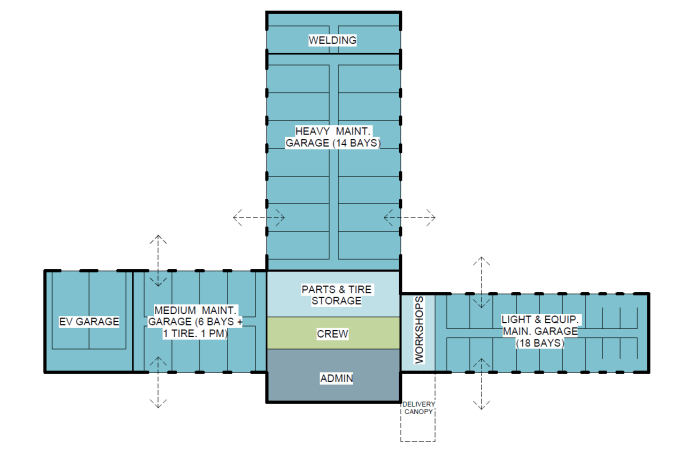
Modern layouts solve this with logical, looped circulation, clear sightlines, and dedicated zones for inspection, maintenance, wash bays, parts storage, and administrative functions.
Photo: Barrientos Design & Consulting, Inc.
Health, Safety, and Workforce Retention
Safety incidents and employee turnover carry hidden costs. Modern facilities with proper ventilation, lighting, and ergonomic design create healthier work environments. The result: fewer injuries, reduced sick leave, and a more stable, experienced workforce; outcomes that contribute directly to productivity and cost savings.
Flexibility for Growth
Fleet compositions evolve by adding electric vehicles, new departments, or heavier equipment. Designing with adaptability in mind protects the municipality’s investment. Oversized bays, modular workstations, and expandable utilities enable the facility to meet future demands without costly renovations.
Environmental Leadership
Public agencies are under increasing pressure to demonstrate sustainability. Features like rainwater harvesting, efficient insulation, and EV-ready infrastructure not only reduce environmental impact but also serve as funding leverage points. Many state and federal programs prioritize grants for projects that integrate sustainable design principles.
Asset Longevity and Value
A purpose-built facility is a multi-generation asset. Just as vehicle replacement schedules maintain fleet readiness, building investments maintain organizational readiness. A well-constructed garage remains functional and cost-effective for 40 to 60 years, avoiding the escalating costs of piecemeal repairs on obsolete structures.
Reimagining the Site: Flow, Safety, and Security
A modern facility begins outside its walls. Site design shapes safety, circulation, and operational efficiency; the daily rhythms of how people and vehicles move.
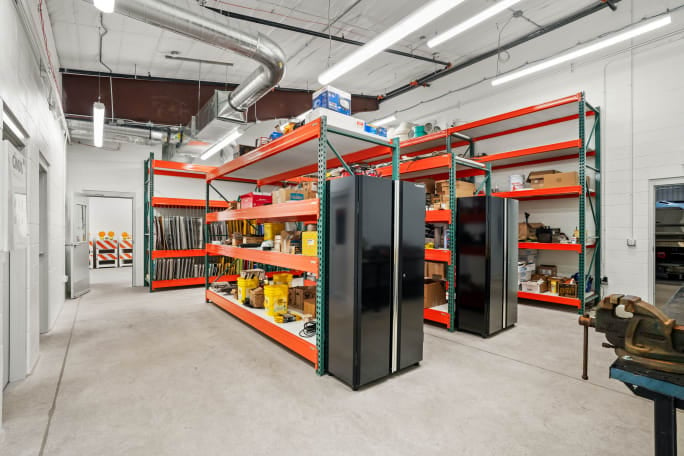
The cost of constructing enclosed storage often pays for itself through longer replacement cycles and lower corrosion-related repairs.
Photo: Barrientos Design & Consulting, Inc.
Safer Access and Circulation
Older yards often share driveways with the public or have confusing layouts that force large trucks to back across pedestrian zones. New designs create distinct entry and exit points and clearly separated paths for fleet, vendor, and visitor traffic. The result: fewer collisions, reduced liability, and faster throughput.
Controlled Entry and Site Security
Security is no longer optional. Modern facilities employ fencing, key-card access gates, and sightlines from administrative offices to entry points. These measures protect municipal assets like vehicles, fuel, and tools from theft or vandalism. Over time, preventing even one major loss incident can offset the cost of security infrastructure.
Dedicated Vendor and Delivery Zones
Delivery trucks should never block service bays. Purpose-built sites provide loading docks and turnaround space sized for semi-trailers, keeping daily operations uninterrupted. This logistical clarity minimizes delays and reduces labor lost to congestion.
Purpose-Designed Fueling Stations
Positioning the fueling area near the site entry, with its own loop road, prevents bottlenecks during peak hours and allows city-wide access without interfering with shop operations. Properly designed containment and stormwater systems reduce environmental risk and meet regulatory standards.
Room to Maneuver
Providing at least 100 feet between structures for truck alignment prevents the kind of tight, risky maneuvers common in older facilities. Fewer building scrapes and collisions mean less money spent on repairs and insurance claims.
Lighting, Surveillance, and Noise Mitigation
Comprehensive LED lighting and camera coverage ensure safety during night operations, while thoughtful placement of work areas away from residential zones minimizes community noise complaints, a growing concern for public agencies operating around the clock.
Managing the Fleet Beyond the Walls
Smart Parking and Protection
Covered or indoor parking not only improves vehicle readiness in cold or wet climates but also extends equipment life by protecting it from UV, salt, and temperature swings. The cost of constructing enclosed storage often pays for itself through longer replacement cycles and lower corrosion-related repairs.
Centralized Inventory and Hazardous Storage
Combining all materials, parts, fluids, and bulk stock into a single managed space improves accountability and reduces waste. Properly ventilated hazardous-materials rooms with spill containment prevent cross-contamination and ensure compliance with environmental codes, avoiding costly fines.
Digital Tools and Data Integration
Integrating monitors or digital dashboards directly into shop areas allows staff to access GIS data, service manuals, and fleet management systems on the spot. This not only improves decision-making but also provides quantifiable data that can support future funding requests by showing how efficiently the facility operates.
Elevating Repair Capabilities
Service Bays That Match the Workload
When each technician has reliable access to an appropriately equipped bay, scheduling bottlenecks disappear. A balance between heavy-duty, light-duty, and specialty bays ensures the fleet can be serviced without waiting for a space to open.
Equipped for Heavy-Duty Repairs
Installing overhead cranes, lubrication reels, and exhaust reels allows mechanics to handle complex jobs in-house, reducing outsourcing and associated costs. For many municipalities, the savings from keeping major repairs internal exceed $100,000 annually.
Fabrication and Small-Engine Workspaces
Dedicated spaces for welding, fabrication, and small-engine repair enable technicians to maintain everything from snowblower attachments to police motorcycles without cluttering general bays. Adequate lighting and overhead conveyance support efficiency and safety.
Putting People First
Behind every fleet facility are the technicians, supervisors, and support staff who make it run. Their well-being directly affects reliability and service quality.
Air Quality and Ventilation
High-air-change systems combined with point-source exhaust extraction remove fumes and particulate matter, creating a healthier environment. Improved air quality leads to fewer respiratory issues and reduces long-term health costs.
Lighting and Visibility
Natural light through windows and skylights, paired with LED fixtures, reduces eye strain and improves accuracy in inspections and paint matching. A bright, well-lit environment also fosters morale and a sense of professionalism.
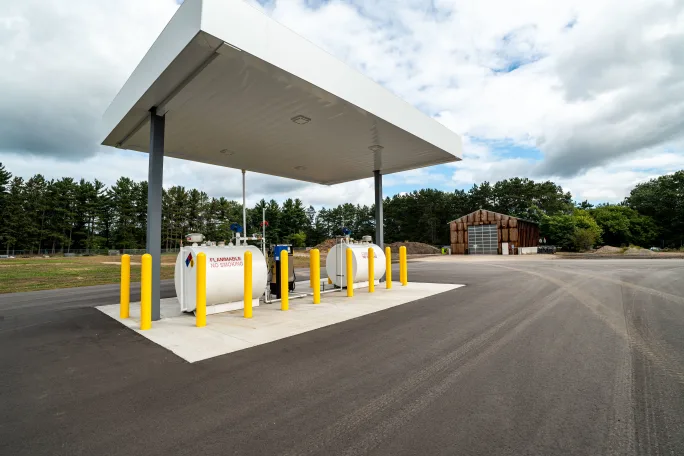
Positioning the fueling area near the site entry, with its own loop road, prevents bottlenecks during peak hours and allows city-wide access without interfering with shop operations.
Photo: Barrientos Design & Consulting, Inc.
Safe Movement and Pedestrian Paths
Designating walkways with high-visibility floor markings, safety rails, and clear sightlines prevents accidents in busy shops. Reducing injuries means fewer workers’ compensation claims and higher morale.
Modern Locker Rooms and Shared Spaces
Centralized, gender-inclusive locker rooms, clean restrooms, and multipurpose lunch/training rooms give employees a sense of dignity and belonging. These features, though modest in cost, are powerful symbols of an organization’s investment in its people, which in turn returns loyalty and performance.
The Long-Term View: Making the Case for Funding
The final step in developing a modern fleet maintenance facility is not design, it’s communication. The professionals closest to the fleet understand the inefficiencies of outdated spaces, but securing funding requires translating those pain points into quantifiable outcomes.
Framing the Return on Investment
When presenting to city councils or finance committees, focus on metrics that resonate:
• Downtime Reduction: Estimate annual labor hours regained through efficient layouts.
• Energy Savings: Calculate projected utility reductions from high-performance systems.
• Maintenance Cost Avoidance: Compare projected facility upkeep costs with current expenditures.
• Extended Equipment Lifespan: Demonstrate how protected storage extends fleet replacement cycles.
• Safety and Liability Savings: Quantify the financial impact of fewer incidents and insurance claims.
• A well-prepared lifecycle cost analysis can turn an abstract vision into a defensible fiscal strategy.
Successful funding rarely happens in isolation. Fleet managers, architects, engineers, and finance teams must collaborate early, aligning design priorities with financial data. When leadership sees that operational insight and fiscal responsibility are working hand in hand, confidence in the project grows.
Demonstrating Community Value
Fleet facilities may not be public-facing, but their impact is. A reliable fleet ensures trash collection continues after storms, roads are cleared in winter, and emergency services stay operational. Framing the garage as essential community infrastructure, like water treatment plants or fire stations, positions it as a public service investment, not a discretionary expense.
Emphasizing Resilience and Continuity
Modern facilities are designed to maintain operations during crises: backup power, on-site fueling, and robust structures allow essential vehicles to stay active during storms or disasters. This resilience protects municipal continuity and public trust, benefits that are difficult to quantify but impossible to ignore.
The Bigger Picture
A fleet maintenance garage may never draw the same attention as a city hall renovation or new park, yet its impact on municipal efficiency is profound. It is where service reliability, cost control, and workforce welfare intersect.
When designed intentionally and funded wisely, a new garage does more than fix space constraints; it transforms how a community maintains the infrastructure that keeps it moving. The payoff is continuous: reduced operating costs, safer employees, longer-lasting equipment, and a stronger foundation for public service delivery.
Fleet professionals and designers alike should see the facility not as a cost center, but as an operational investment hub where good design directly produces measurable returns.
More Operations

Is Keeping Older Fleet Vehicles Really Saving Money?
Is keeping vehicles longer saving money, and what happens when a diagnostic test points to the wrong fix?
Read More →
How Smart Fleet Strategy Can Help Local Government Agencies Do More with Less
Keeping a vehicle longer may ease this year’s budget, but what does it cost the next one? A closer look at fleet decisions can reveal opportunities to reduce spending while protecting essential services.
Read More →
Connect with Government Fleet on LinkedIn
From industry news and fleet management strategies to conversations with peers, Government Fleet's LinkedIn page offers public-sector fleet professionals another way to stay informed and connected.
Read More →
Town of Queen Creek Named Most Successful Fleet Award Winner of Inaugural RTA Fleet Success Awards
Five fleets were honored at RTA Connect 2026 in Chicago for excellence across resource efficiency, intentional culture, risk management, and stakeholder satisfaction.
Read More →
A buyer's guide to fleet management software in 2027
Buying fleet management software in 2027 means looking beyond features and price. As fleet operations, technology and expectations evolve, this guide explores what today’s fleet professionals should consider when choosing a system that can deliver value now and adapt to what comes next.
Read More →
Hazard Alerts, Fleet Car Sales Rise and a New Shuttle Concept
Fleet car sales doubled, but the bigger picture tells a different story in this week’s roundup.
Read More →
How St. Johns County Turned Fleet Data Into Better Replacement Decisions
St. Johns County, Florida, had fleet data, but turning it into reliable decision guidance was another matter. Instead of starting over with a new fleet management system, the county connected existing tools and built a scoring system that gives managers an objective look at fleet health.
Read More →
Fleet Forward Conference Introduces One-Day Passes for 2026
New one-day registration lets fleet professionals attend Tuesday, Wednesday, or Thursday, with passes available for $249.
Read More →
ENC Unveils its ZAVIR Medium-Duty Shuttle
Two variants of the concept shuttles were revealed: a low-floor configuration and a high-floor configuration.
Read More →
Could Your Next Fleet Technician Start as an Intern?
What if your next technician hasn’t worked in a fleet shop yet? What fleets are doing to free up time.
Read More →