




Sold: A Word Alabama's DOT Uses to Save Big Bucks
Favorable legislation, an efficient operation, and on-site and online auctions by an outside company have allowed the Alabama Department of Transportation to get 40 percent of its equipment procurement costs back in resale.
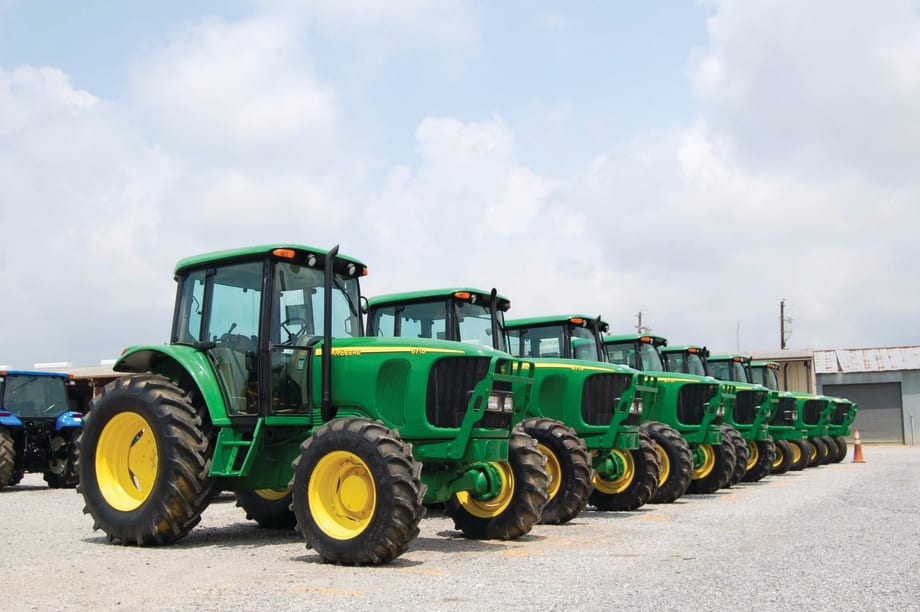
All types of vehicles and equipment are sold during ALDOT's semi-annual auctions, which feature both live and online bidding.
All types of vehicles and equipment are sold during ALDOT's semi-annual auctions, which feature both live and online bidding.
In the current economy, spending money on passenger fleets and heavy construction equipment can make a big dent in a transportation department's budget. So, how can that process be turned around and become an asset with money saved and efficiency increased? Just ask the Alabama Department of Transportation (ALDOT), which has been garnering a lot of attention on how its equipment program is saving big dollars.
Legislation Helped with Funding
In 1980, state legislation was passed allowing ALDOT to establish a revolving fund within the State Road and Bridge Fund to collect a monthly depreciation and replacement rate along with a rental rate (operating cost) from the end user. This allowed ALDOT to have good equipment ready to respond to the needs of the state's infrastructure without directly impacting budgetary funds.
Additional legislation was passed in 1995 to allow ALDOT to sell and auction its equipment by using an outside auction company. Since that time, ALDOT began turning in most of its passenger fleet at 55,000 miles or five years (whichever occurs first), the optimum time for replacement before operating costs begin to climb. It also allows ALDOT to determine the best time to replace all other equipment and to get the most return on investment.
The process also generates extra dollars into the State's economy through direct sales to counties and municipalities that receive high-quality equipment with a lower acquisition cost, the collections of sales tax revenue from auction sales, and monies spent by out-of-town bidders who stay at local hotels and eat at local restaurants. The October 2011 auction, projected to take in approximately $3 million, generated just under $4 million and collected $49,000 in sales tax.
Providing Top-Notch Vehicles for High Yield at Auction
ALDOT auctions are held twice annually. Auction bidders participate on site and online from all over the globe as far away as the United Kingdom, Australia, and the United Arab Emirates. In fact, online bidding continues to increase at each auction. During ALDOT's October 2011 auction, 48 items sold over the internet for $777,500.
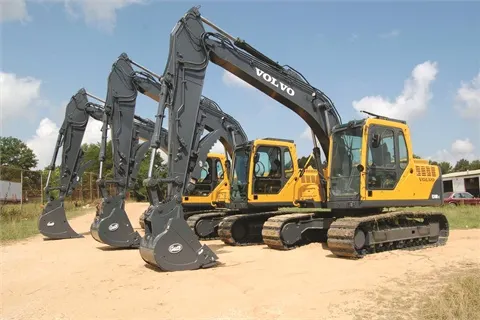
The ALDOT ensures all equipment are refurbished and inspected before auction to make sure they are ready to be used.
To ensure buyers receive top-notch vehicles, ALDOT has the auction equipment refurbished and inspected to ensure it is ready to roll and be put to work. By using local vendors to renovate and detail equipment for auction, jobs were maintained or created, and $1.8 million was put back into the local economy in fiscal year 2011.
Annually, ALDOT spends about $25 million on equipment purchases and receives around $10 million in revenue from the sale of surplus equipment at auction, a significant savings in fleet operations.
In 2011 alone, ALDOT will save, through the efficiency of the fleet, $6.6 million that can be used on routine maintenance and construction projects. Additionally, ALDOT will save another $600,000 on parts and repairs by negotiating with vendors for better discounts. ALDOT has also reduced its light- and medium-duty truck diesel fleet, which represents a savings in procurement costs and, in combination with a retrofit program installing diesel oxidation catalyst filters on older trucks and equipment, producing a significant reduction in the fleet's carbon footprint.
Therefore, from the pounding of the auctioneer's gavel to the last satisfied buyer, significant savings are created and at the same time, ALDOT has funding for new equipment. ALDOT officials are "sold" on their equipment renewal process and believe it helps make ALDOT's fleet one of the most efficient in the country.
About the Author
Ron Pruitt is the equipment management coordinator at the Alabama Department of Transportation.
More Operations
Who Deserves Fleet Recognition and What Could You Teach at GFX?
Who helped shape your fleet career, and what have you learned that could help someone else?
Read More →
What’s Haunting Public Sector Fleets?
Public sector fleet challenges rarely happen in isolation, and addressing one often means understanding how it connects to another.
Read More →
Is Keeping Older Fleet Vehicles Really Saving Money?
Is keeping vehicles longer saving money, and what happens when a diagnostic test points to the wrong fix?
Read More →
How Smart Fleet Strategy Can Help Local Government Agencies Do More with Less
Keeping a vehicle longer may ease this year’s budget, but what does it cost the next one? A closer look at fleet decisions can reveal opportunities to reduce spending while protecting essential services.
Read More →
Connect with Government Fleet on LinkedIn
From industry news and fleet management strategies to conversations with peers, Government Fleet's LinkedIn page offers public-sector fleet professionals another way to stay informed and connected.
Read More →
Town of Queen Creek Named Most Successful Fleet Award Winner of Inaugural RTA Fleet Success Awards
Five fleets were honored at RTA Connect 2026 in Chicago for excellence across resource efficiency, intentional culture, risk management, and stakeholder satisfaction.
Read More →
A buyer's guide to fleet management software in 2027
Buying fleet management software in 2027 means looking beyond features and price. As fleet operations, technology and expectations evolve, this guide explores what today’s fleet professionals should consider when choosing a system that can deliver value now and adapt to what comes next.
Read More →
Hazard Alerts, Fleet Car Sales Rise and a New Shuttle Concept
Fleet car sales doubled, but the bigger picture tells a different story in this week’s roundup.
Read More →
How St. Johns County Turned Fleet Data Into Better Replacement Decisions
St. Johns County, Florida, had fleet data, but turning it into reliable decision guidance was another matter. Instead of starting over with a new fleet management system, the county connected existing tools and built a scoring system that gives managers an objective look at fleet health.
Read More →
Fleet Forward Conference Introduces One-Day Passes for 2026
New one-day registration lets fleet professionals attend Tuesday, Wednesday, or Thursday, with passes available for $249.
Read More →