




New York City’s Transition to a Safer Fleet
In part two of this four-part series of procurement, we look at the true cost of New York City's decision to purchase vehicles with additional safety features.

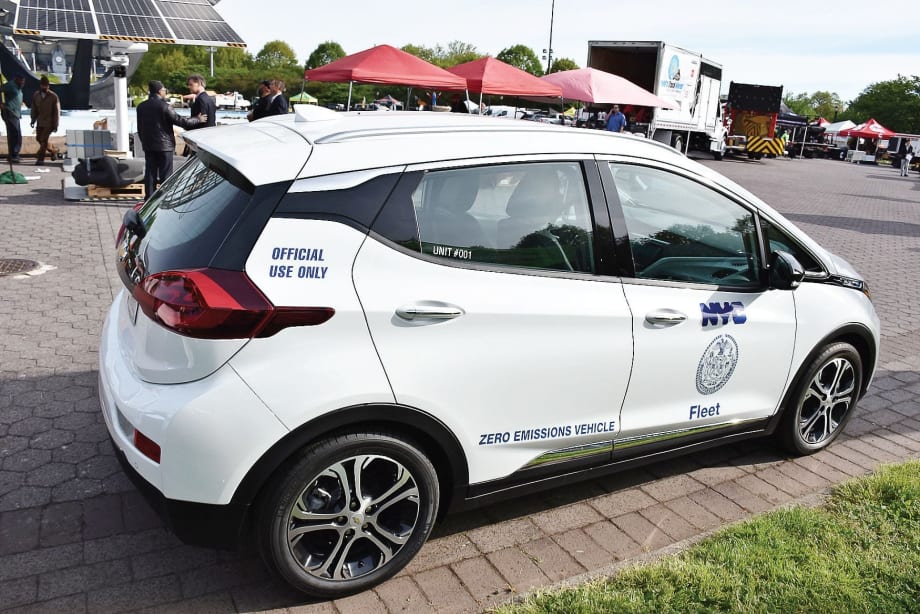
New York City’s new vehicles are purchased with automatic braking technology, a change that hasn’t increased procurement costs.
Photo courtesy of New York City
New York Cityis acquiring safer fleet vehicles. In 2014, New York City Mayor Bill de Blasio implemented “Vision Zero,” which aims to end traffic deaths and injuries on the streets of New York. With more than 30,000 units, the New York City fleet can make a significant impact on this goal, so it developed a Safe Fleet Transition Plan to implement the safest technologies for the more than 100 types of units the fleet operates.
Executing this plan meant spec’ing safety technology — automatic braking in particular. Through its fleet tracking system, the fleet learned rear-end collisions are the top cause of injuries within the fleet. With the right technology, these crashes can be prevented — and affordably.
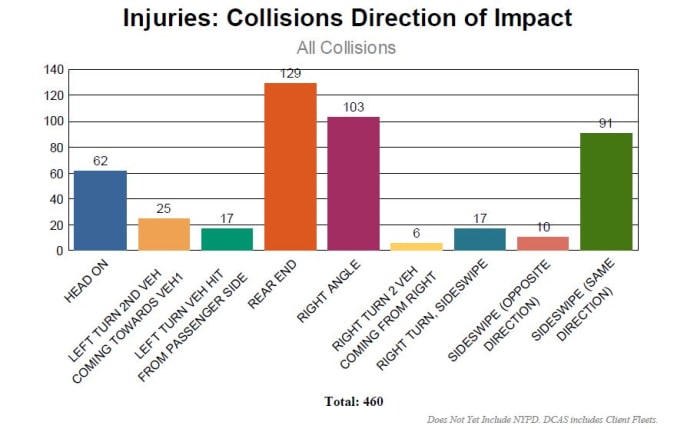
New York City determined that rear-end crashes were the most common collisions reported, and decided to combat this by changing the safety features included in its vehicles.
Graph courtesy of New York City
“Automatic braking offers the prospect to directly address the top issue we face and pay for itself,” said Keith Kerman, NYC chief fleet officer and deputy commissioner, Department of Citywide Administrative Services. “Interestingly, we have not seen appreciable specific increases in costs for light-duty vehicles for our first nearly 1,000 units received or on order with automatic braking.”
Investing in vehicles equipped with automatic braking is actually likely to save the fleet money in the long run. “In any given year, NYC can spend more than $100 million on litigation relating to fleet events,” Kerman explained. “In partnership with our Office of Management and Budget, we have launched an initiative to reduce these costs, and the Safe Fleet specifications plan is an important part.”
Editor's Note: This story is part two of afour-part series on the cost impact of procurement. Click hereto read part three about the City of Austin's efforts to go green.
Related: Fleets Make Streets Safer with Vision Zero Initiative
More Procurement
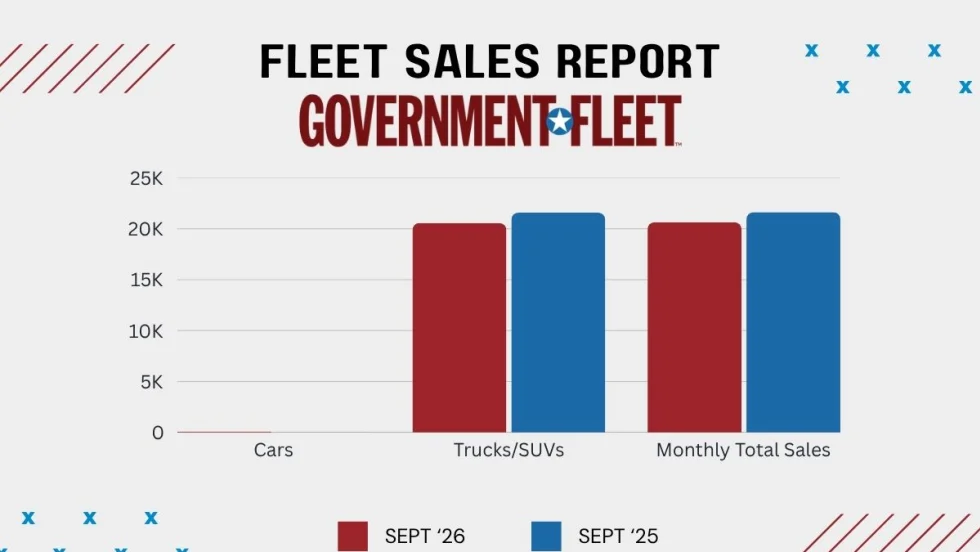
Government Fleet Car Sales More Than Double in September
Government fleet car sales rose 112.8% year over year in September, climbing from 39 to 83 units even as total monthly sales declined 4.5%.
Read More →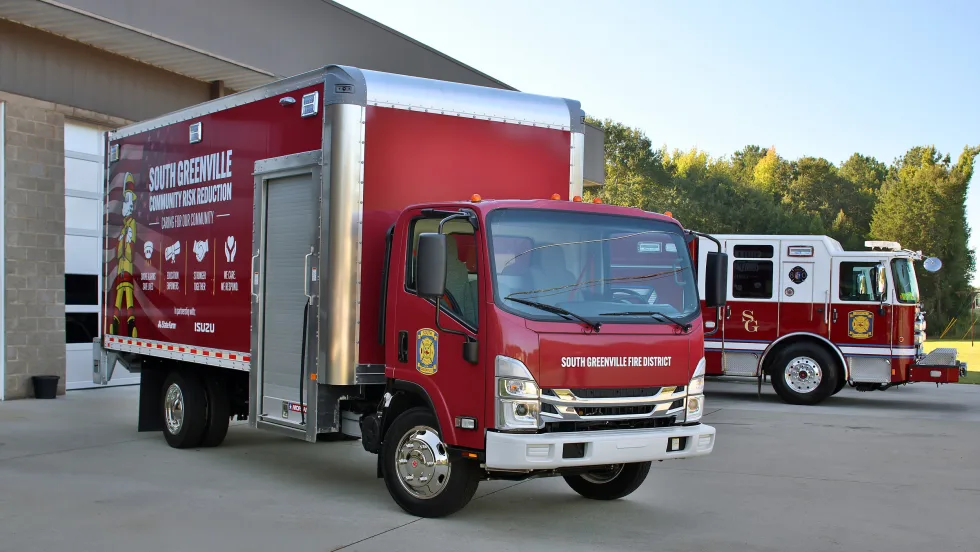
Isuzu Donates New N-SERIES NRR Truck to South Greenville Fire District to Support Community Outreach
Isuzu NRR equipped with Morgan truck body and PALFINGER liftgate will help support fire safety education, community engagement and outreach programs throughout Southern Greenville County.
Read More →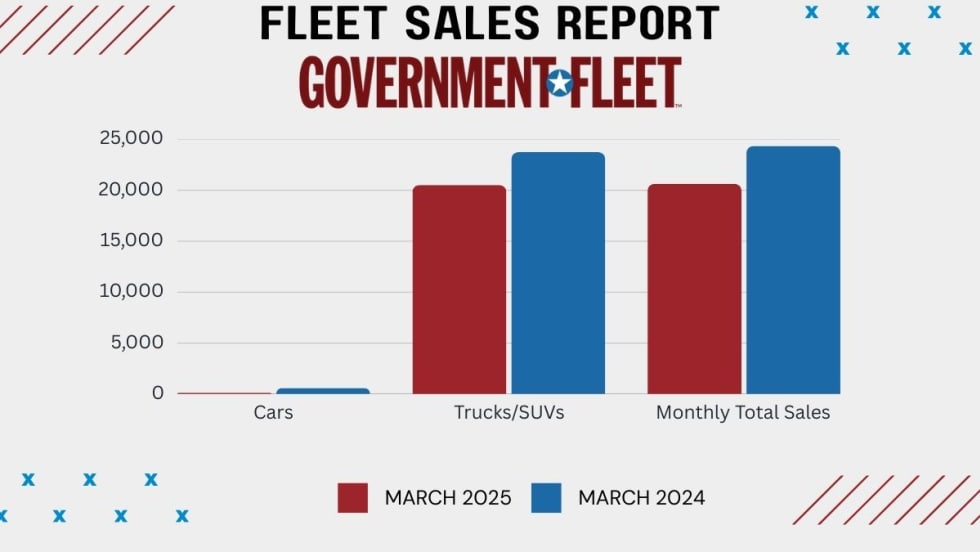
Government Vehicle Sales See Continued Growth from Beginning of Year
Government fleet sales rose from both January and February monthly totals, which were both under 20,000.
Read More →
Updated: Trump Signs Proclamation Imposing 25% Tariff on Auto Imports
A new proclamation signed by President Trump imposes a 25% tariff on imported passenger vehicles and key auto parts, citing national security concerns.
Read More →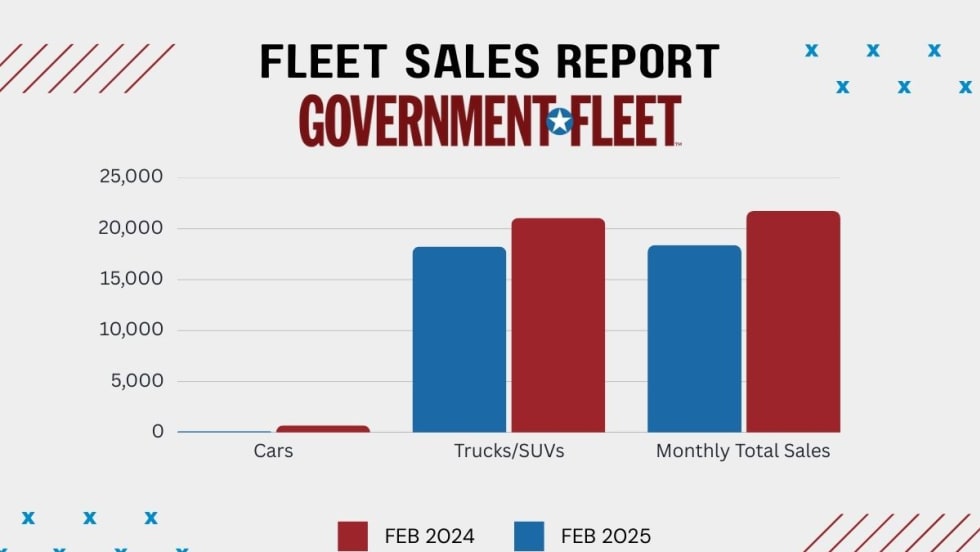
Government Vehicles Sales See Another Dip Compared to 2024
Government fleet sales last month came in at 18,383 vehicles, falling 15.4% from 21,737 in February 2024.
Read More →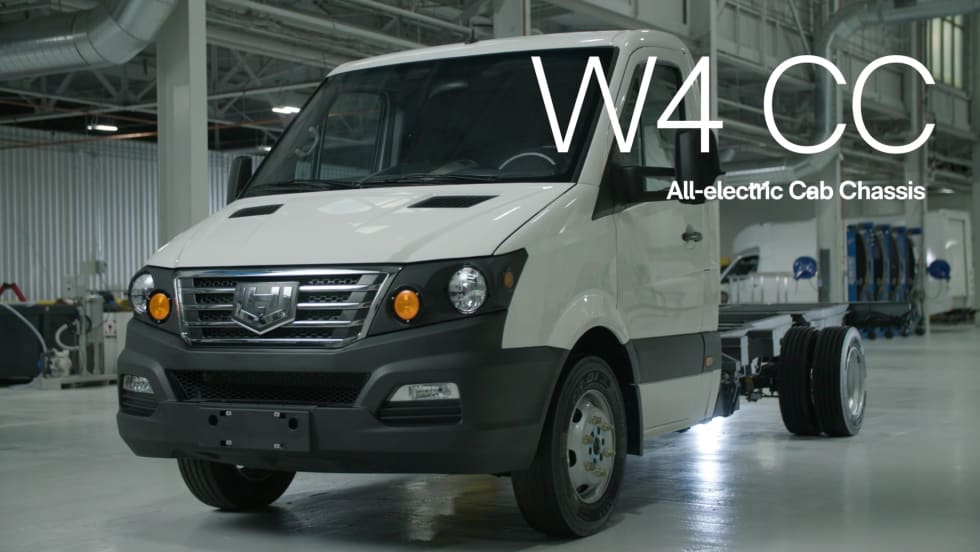
Washington Municipality Adds Workhorse Electric Trucks to Fleet
The municipality will deploy two W4 CC electric work trucks for trash and recycling can switch-outs, enhancing the efficiency of its waste management services.
Read More →
From the Archives: Changes in Fleet Acquisitions
When vehicles become harder to acquire, fleet managers must balance keeping vehicles on the road longer while managing the escalating operating costs of older vehicles.
Read More →
Mack Defense Awarded Contract By U.S. Marine Corps To Develop Medium Tactical Truck
The U.S. Marine Corps awarded Mack Defense a 12-month contract for the initial development of a new Medium Tactical Trucks (MTT) fleet.
Read More →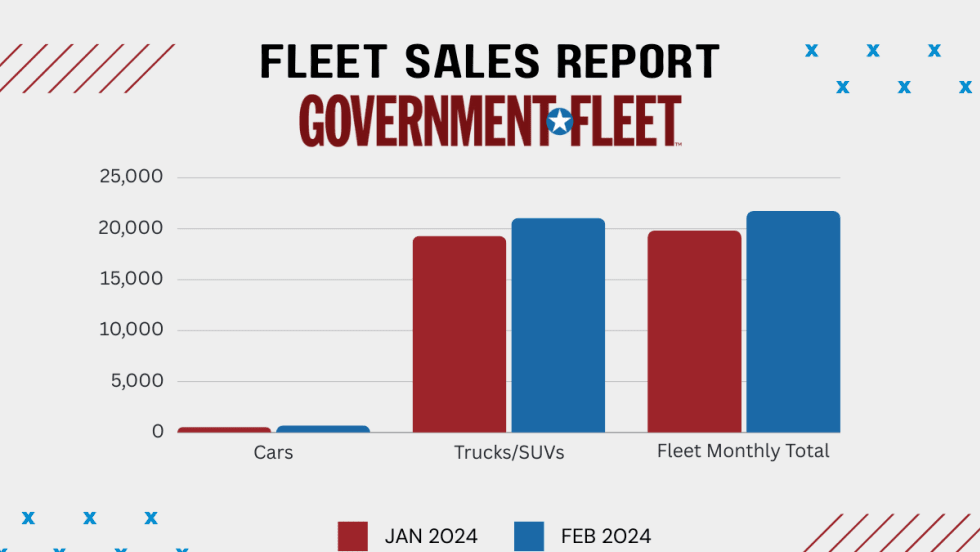
Government Vehicle Sales Rise from January to February
Government vehicle sales continue to rise into 2024 with both car and truck/SUV sales climbing between January and February of 2024, according to Bobit/Government Fleet sales data released March 2.
Read More →
How the UAW Strike Affected Government Fleet Orders from the Big 3
Government Fleet asked the Big 3 how their operations have been in the weeks since the UAW strike ended, with new contracts ratified. Plus, automakers address concerns about vehicle delivery delays.
Read More →