




Irvine Selects Sprinter to Meet Handicapped Transport Needs
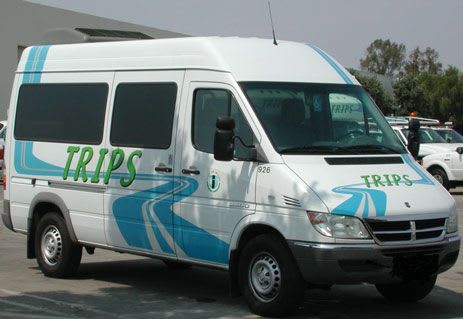
City of Irvine utilizes Dodge Sprinter vans for its TRIPS program, saving more than $10,000 per vehicle.

The City of Irvine, Calif., is one of the nation’s largest planned urban communities and encompasses more than 65 square miles. Irvine contracts for fire and medical services with the County of Orange and has three independent districts: library, educational, and utility services.
Other government services include animal control, building and safety regulation and inspection, general administrative services, planning and zoning, police, public facility/capital improvement construction, recreation and cultural programs, refuse collection and recycling, street lighting, street maintenance, landscape maintenance, and transportation management.
“The City of Irvine is about quality; it’s really a cut above other cities,” said Curtis Smith, fleet services superintendent for Irvine.
Smith, who has worked for other cities in the past, has been with Irvine’s fleet services for 25 years, starting out as a mechanic.
Smith’s staff consists of five full-time mechanics, one part-time mechanic, and one program specialist.
Irvine’s TRIPS Program Utilizes Dodge Sprinter Vans
As fleet services superintendent, Smith focuses on implementing cost-saving measures, and one such change occurred in 2004 when he added three Dodge Sprinter 2500 High Roof passenger vans to the City’s fleet of 400 vehicles.
The Sprinters are used in the City’s community services TRIPS program, which transports handicapped residents with permanent disabilities, as well as senior citizens more than 65 years of age. Services include transportation to medical appointments, work, and school.
“The vehicles replaced minivans, which were very costly to upfit,” Smith said.
The Sprinters, which feature a 140-inch wheelbase, 10 passenger seats, 2.7L I5 Mercedes-Benz turbodiesel engine, and 5-speed automatic transmission, have a replacement cycle of four to five years and generally more than 100,000 miles.
City Saves Money and Increases Customer Satisfaction
The Sprinters provide an effective alternative to the smaller compact minivans the City was operating, according to Smith. In fact, the Sprinters come completely equipped to suit the City’s needs, with the
exception of handicap lifts, which were added by the City.
“Our drivers like them, and the residents like them,” Smith said.“They sit up higher, which gives everyone more security. They are roomy, have a great turning radius, handle well, and have a lot of headroom.”
Smith said the vans provide more room to tie wheelchairs down, ultimately resulting in fewer driver injuries and workers’ comp claims. Also, the vehicles allow easy wheelchair access since the loading platforms are flush with the curb.
“Because the vehicle can get in and out of places easily, it reduces downtime, which is extremely important for our drivers to get the residents to their destination faster,” he added.
After switching to the Sprinters, the City saved about $10,000 per vehicle.
“The Sprinters have been an excellent addition to our fleet; they’ve been a great niche vehicle for us,” Smith said. “They are more cost effective, and maintenance-wise, they’ve been trouble-free.”
Looking toward the future, Smith hopes to add CNG Sprinters to the fleet once they become available in the United States..
More Operations
Who Deserves Fleet Recognition and What Could You Teach at GFX?
Who helped shape your fleet career, and what have you learned that could help someone else?
Read More →
What’s Haunting Public Sector Fleets?
Public sector fleet challenges rarely happen in isolation, and addressing one often means understanding how it connects to another.
Read More →
Is Keeping Older Fleet Vehicles Really Saving Money?
Is keeping vehicles longer saving money, and what happens when a diagnostic test points to the wrong fix?
Read More →
How Smart Fleet Strategy Can Help Local Government Agencies Do More with Less
Keeping a vehicle longer may ease this year’s budget, but what does it cost the next one? A closer look at fleet decisions can reveal opportunities to reduce spending while protecting essential services.
Read More →
Connect with Government Fleet on LinkedIn
From industry news and fleet management strategies to conversations with peers, Government Fleet's LinkedIn page offers public-sector fleet professionals another way to stay informed and connected.
Read More →
Town of Queen Creek Named Most Successful Fleet Award Winner of Inaugural RTA Fleet Success Awards
Five fleets were honored at RTA Connect 2026 in Chicago for excellence across resource efficiency, intentional culture, risk management, and stakeholder satisfaction.
Read More →
A buyer's guide to fleet management software in 2027
Buying fleet management software in 2027 means looking beyond features and price. As fleet operations, technology and expectations evolve, this guide explores what today’s fleet professionals should consider when choosing a system that can deliver value now and adapt to what comes next.
Read More →
Hazard Alerts, Fleet Car Sales Rise and a New Shuttle Concept
Fleet car sales doubled, but the bigger picture tells a different story in this week’s roundup.
Read More →
How St. Johns County Turned Fleet Data Into Better Replacement Decisions
St. Johns County, Florida, had fleet data, but turning it into reliable decision guidance was another matter. Instead of starting over with a new fleet management system, the county connected existing tools and built a scoring system that gives managers an objective look at fleet health.
Read More →
Fleet Forward Conference Introduces One-Day Passes for 2026
New one-day registration lets fleet professionals attend Tuesday, Wednesday, or Thursday, with passes available for $249.
Read More →