





Related: 6 Reasons Telematics is Essential for Snow Operations
How to Protect Parking Structures from Winter Damage
When winter weather hits, government fleets go to work salting, plowing, and keeping roads open. But these assets may cause damage to the facility where vehicles are housed.
December 31, 2019
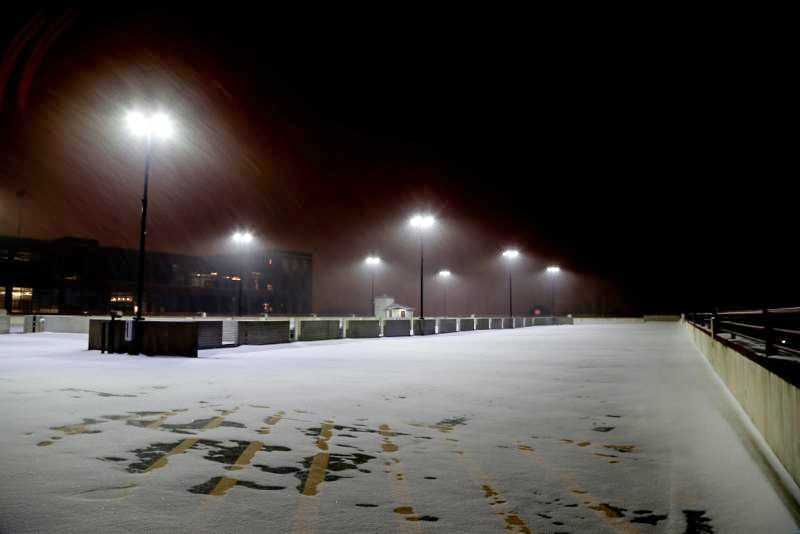
Snow, ice, deicing materials, and plowing equipment can all take a toll on parking structures. A winter maintenance plan can help public fleets protect concrete decks, drainage systems, and other vulnerable areas while keeping facilities operational.
Credit:
Western Specialty Contractors
3 min to read
When winter weather hits, government fleets go to work salting, plowing, and keeping roads open. But these operations may cause damage to the parking or maintenance facility where they are stored. Snow-removal operations can also take a toll on the parking and maintenance structures where fleet vehicles are stored, especially when moisture, deicing chemicals, and snow-removal equipment repeatedly contact concrete decks.
Western Specialty Contractors, which specializes in parking garage restoration and maintenance, offers several tips to minimize unnecessary damage to parking structures during the winter months and keep drivers safe.
Snow Removal Tips
- Clearly mark expansion joints in a way that will be visible to the equipment operator when the parking garage deck is covered with snow.
- Establish a snow removal pattern so that the plow blade approaches expansion joints, control joints, and tee-to-tee joints at an angle no greater than 75 degrees.
- Equip snowplow blades and bucket loaders with shoes or rubber guards that prevent direct contact with the deck surface.
- Do not stockpile snow on parking decks unless the structure has been evaluated for the additional load. Concentrated snow piles can add significant weight, particularly as snow becomes wet, compacted, or mixed with ice. Facility operators should follow the structure's snow-removal plan and consult a qualified structural professional if they have concerns about snow accumulation or load capacity.
Deicing/Salting Tips
Using chemical deicers to control ice and snow buildup is common; however, these chemicals can have a negative effect on concrete and reinforcing steel and should be used sparingly.
Chloride-bearing deicers can penetrate concrete and contribute to corrosion of embedded reinforcing steel, potentially accelerating deterioration and shortening the structure's service life.
Even when deicers are not applied directly to a parking deck, fleet vehicles can track salts used on surrounding roads and lots into the structure. Selecting and managing deicing materials should be part of a parking structure's overall winter maintenance plan.
- Sodium Chloride (road salt, table salt) – Common road salt can introduce chlorides into concrete. Over time, chloride exposure can contribute to corrosion of embedded reinforcing steel and deterioration of the parking structure, particularly when moisture is also present.
- Calcium Chloride – A major ingredient in most commercial deicers. Although effective at melting ice at lower temperatures, this chloride-bearing deicer should be carefully managed around concrete parking structures. Chloride intrusion can contribute to reinforcement corrosion and long-term deterioration.
- Ammonium Nitrate or Ammonium Sulfate – Products containing ammonium nitrate or ammonium sulfate should generally be avoided on concrete parking decks because they can contribute to deterioration of the concrete.
- Calcium Magnesium Acetate (CMA) – CMA is a non-chloride deicing alternative that may be considered where limiting chloride exposure is a priority. Deicer selection should account for the parking structure's materials, protective systems, environmental conditions, and recommendations from the structure's engineer or maintenance plan.
It is important to minimize the amount of deicing chemical applied during the first two years of the concrete being installed. During this time, the concrete has an increased permeability, which can allow the deicing chemicals to migrate into the concrete more rapidly. As concrete ages and cures, it will become less permeable, and chemicals will not penetrate as easily.
Remember that using deicing chemicals in general is not recommended. The safest way to remove ice and snow is to use a plow. Sand can also be used to increase tire traction, but accumulated material should be removed as part of routine housekeeping, and drains should be kept clear so melting snow and ice can move off the deck rather than allowing water and contaminants to accumulate.
Winter maintenance shouldn't end with the last storm. Once conditions improve, inspect parking decks for signs of cracking, spalling, leaking, damaged joints, failed sealants, or other deterioration that may have developed or worsened during the season.
Editor’s note: This article was originally published in 2019 and was updated in September 2026 with current industry data, examples, and resources.
Subscribe to Our Newsletter
More Safety

New Partnership Aims to Expand Public Digital Hazard Alert System Statewide
The Hawai’i Department of Transportation (HDOT) is expanding advance digital hazard alerts for the public statewide.
Read More →
New York City Expands Safety Technologies Across Municipal Fleet
Executive Order 19 moves intelligent speed assistance and pedestrian alerts from pilot programs toward standard fleet equipment, offering other public fleets a look at how safety technology can be tested, measured, and scaled.
Read More →
Sponsored•August 10, 2026
Hidden in Plain Sight: Fleet Compliance Risks
Fleet compliance isn't just about having policies — it's about consistently enforcing them. This practical guide reveals six hidden compliance risks common in public sector and shared fleet operations and outlines proven strategies to improve visibility, accountability, and audit readiness.
Read More →
5 Days Left to Submit Your 2026 Fleet Safety Award Nomination
Know a government fleet, safety, or risk manager who deserves recognition for making fleet operations safer? Nominations are open through Aug. 15.
Read More →
How the First 24 Hours Can Shape a Fleet Crash Response
How a strong accident response process helps government fleets move from the initial report to recovery while building a clearer record for what needs to change next.
Read More →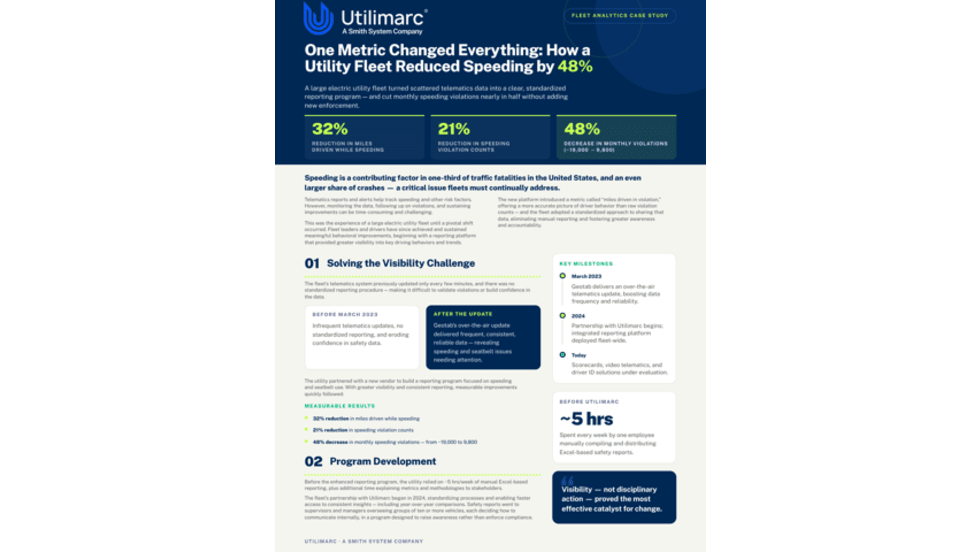
Sponsored•July 17, 2026
How Better Visibility Cut Speeding Violations by 48%
Fleet leaders don't need more data, they need clearer visibility into what the data is saying. This case study explores how one utility replaced speeding-event counts with a single metric — miles driven in violation — to strengthen safety and significantly reduce speeding violations.
Read More →
e-con Systems Expands AI Camera Tools for Traffic Monitoring
The systems support license plate recognition, traffic analytics, and video management for transportation agencies.
Read More →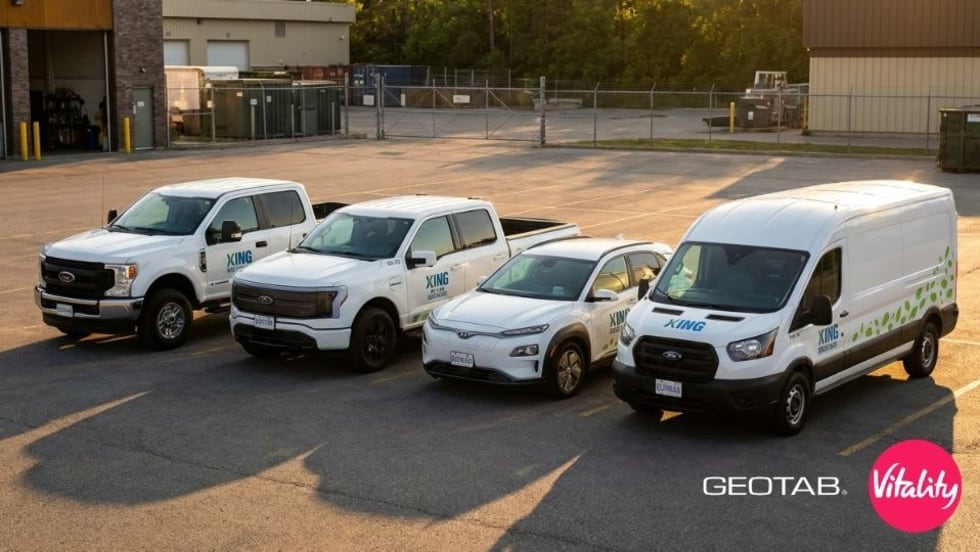
King Township Pilot Links Driver Feedback to Reduced Speeding
How King Township, a best-in-class municipal fleet, reduced speeding by 10.9% and demonstrated a projected 349% ROI by putting safety ownership directly in drivers' hands.
Read More →
Beyond the Fireline: The Critical Role of Public Fleets in Wildfire Response
Behind every wildfire response is a complex network of vehicles, data, and decisions that must work in sync under extreme pressure. Global heating trends require strong fleet coordination and reliable communications to keep crews safe and operations running smoothly.
Read More →
How AI Is Transforming Public Fleet Safety - Part 1
AI-powered safety systems are helping public fleets tackle distracted driving by delivering real-time coaching and measurable behavior change behind the wheel. In part one of our Q&A, Nauto CEO Stefan Heck explains how agencies can improve safety, reduce costs, and navigate implementation challenges with AI-driven technology.
Read More →