




Similar Content: Creating a Solid Safety Culture Through Better Maintenance Practices
How to Prevent Vehicle Underutilization
When COVID-19 stopped some vehicles from being driven, it woke fleet managers up to what was really needed to keep their operations moving.

Lexi Tucker・Senior Editor
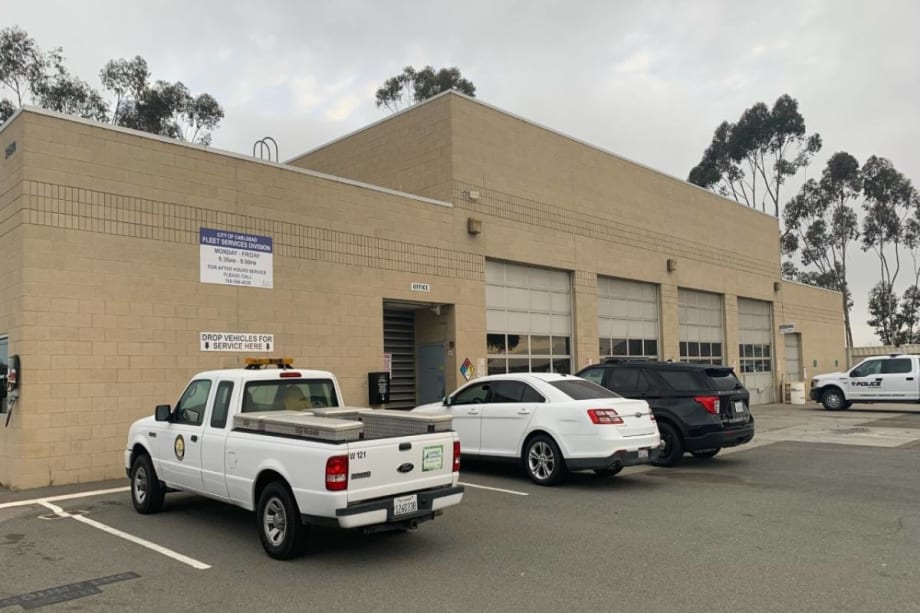
When COVID-19 stopped some vehicles from being driven, it woke fleet managers up to what was really needed to keep their operations moving.
Photo: City of Carlsbad, California
3 min to read
As the world halted with the onset of the pandemic, ensuring optimal vehicle utilization became a hot topic for fleet managers. If workers weren’t out in the field, vehicles weren’t being driven. It became vital to cut what wasn’t necessary. Bradley Northup, public works superintendent of fleet operations for the City of Carlsbad, California, was able to use the pandemic as an opportunity to continue his work building a better, leaner fleet.
“Coming into my new position with the city and inheriting a fleet without GPS or telematics to help identify underutilized vehicles has been difficult. This was exacerbated with COVID,” he explained.
He was able to overcome the challenge by:
Maintaining an open line of communication – Having regular and direct communication with each department person responsible for a subset of vehicles has allowed greater visibility on the effect of an underutilized vehicle, which has led to more temporary reassignments of vehicles to ensure their use is kept above a minimum threshold.
Get creative with what you do have – Although the City of Carlsbad’s fleet doesn’t currently have telematics, Northup didn’t let that stop the department.
“We were able to extract mileage information from our automated fueling system and create a custom report to help us identify ‘red flag’ vehicles for immediate follow up. For example, [these include] vehicles that reported less than 100 miles travel over a one- to two-month period, or those that did not report fueling at all,” he said.Providing clear expectations and consequences – Northup also drafted a revised Fleet Management Policy (which hadn’t been updated since 1994) incorporating a clear process of identifying an underutilized vehicle and what steps would be taken to change its assignment to increase its use. If use did not increase, he also added instructions for what to do when the vehicle should be removed from the city’s fleet permanently.
To make sure utilization is at an optimal level, Northup said ensuring vehicles and equipment will meet the needs of an operation is only successful if you really understand what that need is. “Drivers don’t want to operate a vehicle that doesn’t help them do their jobs, and, given the opportunity to choose one vehicle over another, they will neglect the lesser vehicle every time. So, to ensure proper utilization, it is very important to specify vehicles that meet their needs,” he explained.
In the budgeting phase of the city’s replacement planning calendar (which could be six months or two years before a vehicle is slated to be replaced depending on the type and complexity), Northup discussed what vehicle functionality and specific performance characteristics should be.
“This really helps in building performance-based specifications. This process also keeps the departments involved throughout, which helps to ensure the vehicle they end up with is exactly what they were looking for,” he said.
Using these tactics, the city was able to remove a half dozen vehicles and equipment from the fleet that were grossly underutilized and previously targeted for replacement. Additionally, the city was able to ensure vehicle utilization was increased for vehicles that were affected temporarily by COVID shutdowns, and identified three vehicles that could be shifted to new assignments.
“These vehicles were assigned for administrative use by certain employees, but these employees were telecommuting and no longer needed access to a vehicle. We re-assigned them to a more as-needed motor pool role up at our fleet garage,” he said.
Subscribe to Our Newsletter
More Operations

Is Keeping Older Fleet Vehicles Really Saving Money?
Is keeping vehicles longer saving money, and what happens when a diagnostic test points to the wrong fix?
Read More →
How Smart Fleet Strategy Can Help Local Government Agencies Do More with Less
Keeping a vehicle longer may ease this year’s budget, but what does it cost the next one? A closer look at fleet decisions can reveal opportunities to reduce spending while protecting essential services.
Read More →
Connect with Government Fleet on LinkedIn
From industry news and fleet management strategies to conversations with peers, Government Fleet's LinkedIn page offers public-sector fleet professionals another way to stay informed and connected.
Read More →
Town of Queen Creek Named Most Successful Fleet Award Winner of Inaugural RTA Fleet Success Awards
Five fleets were honored at RTA Connect 2026 in Chicago for excellence across resource efficiency, intentional culture, risk management, and stakeholder satisfaction.
Read More →
Sponsored•October 14, 2026
A buyer's guide to fleet management software in 2027
Buying fleet management software in 2027 means looking beyond features and price. As fleet operations, technology and expectations evolve, this guide explores what today’s fleet professionals should consider when choosing a system that can deliver value now and adapt to what comes next.
Read More →
Hazard Alerts, Fleet Car Sales Rise and a New Shuttle Concept
Fleet car sales doubled, but the bigger picture tells a different story in this week’s roundup.
Read More →
How St. Johns County Turned Fleet Data Into Better Replacement Decisions
St. Johns County, Florida, had fleet data, but turning it into reliable decision guidance was another matter. Instead of starting over with a new fleet management system, the county connected existing tools and built a scoring system that gives managers an objective look at fleet health.
Read More →
Fleet Forward Conference Introduces One-Day Passes for 2026
New one-day registration lets fleet professionals attend Tuesday, Wednesday, or Thursday, with passes available for $249.
Read More →
ENC Unveils its ZAVIR Medium-Duty Shuttle
Two variants of the concept shuttles were revealed: a low-floor configuration and a high-floor configuration.
Read More →
Could Your Next Fleet Technician Start as an Intern?
What if your next technician hasn’t worked in a fleet shop yet? What fleets are doing to free up time.
Read More →