




How to Calculate Construction Equipment Lifecycle Costs
Three municipal fleet case studies examine lifecycle costing measures for construction equipment to budget, purchase, and bill customers more effectively.
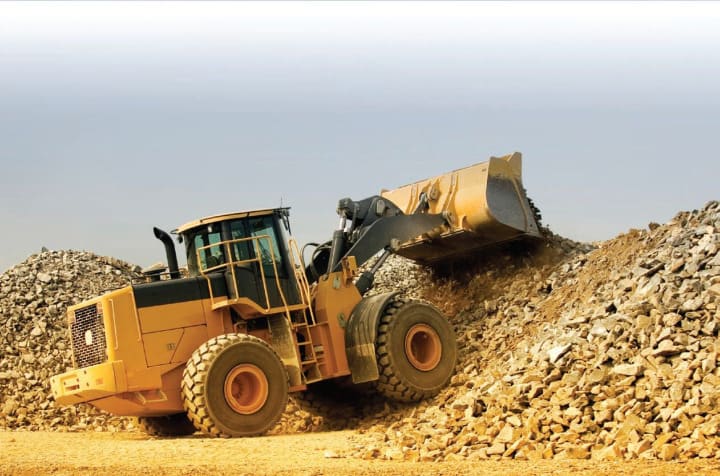
Calculating the lifecycle cost of a piece of off-road equipment consists of five basic steps.
An important aspect of fleet management is accurately calculating costs. But government fleets often manage a wide variety of vehicles and equipment, and not all costs can be calculated the same way. Fleets seeking to establish the lifecycle cost for construction/off-road equipment should follow five basic steps:
Determine the equipment's net acquisition cost, factoring in incentives and any other options or variables.
Establish the equipment's estimated depreciation rate (more on this later).
Identify other fixed costs, such as interest, insurance, etc.
Calculate the estimated lifetime operating expense.
Add the estimated lifetime holding and operating costs to arrive at the estimated lifecycle cost.
Government Fleet spoke to three municipal fleets to example lifecycle costing measures for construction equipment to budget, purchase, and bill customers more effectively.
Depreciation Calculation Difficulty Depends on Formula
Calculating the depreciation on construction and off-road equipment is a task that may cause consternation among some fleet managers, but it doesn't daunt Dennis Hogan, fleet services manager for the City of Cedar Rapids, Iowa.
The difficulty in figuring the depreciation rate depends on the formula one uses, Hogan said. "Obviously, off-road equipment is depreciated in a different manner than cars or pickups. Everything is different with an off-road piece because it's not driving on the city streets as much as a car." That means insurance rates differ. In addition, Hogan said, "We have to rely on the manufacturer to give us the anticipated maintenance costs."
He added, "We just use a straight-line method of depreciation. It works out perfectly because we don't have complicated percentages" to cope with.
For example, if the City bought a piece of equipment for $100,000 and it had a 20-year anticipated life, Hogan said, he would divide the purchase price by the number of years he planned to keep the unit. The calculation would provide an annual depreciation amount. Hogan then would divide that annual depreciation by 12 for the monthly depreciation.
The actual, rather than projected, lifecycle cost of a piece of construction or offroad equipment can be calculated at the end of its service life, based on operating, maintenance, and other costs documented over years of service.
Flood Stalls Cedar Rapids’ Lifecycle Analysis
In the City of Cedar Rapids, Hogan’s plans to analyze lifecycle costs of construction equipment have been delayed due to water-caused trouble. Appointed the first fleet services manager in the history of Cedar Rapids in October 2007, Hogan’s charge was to build a city fleet from scratch. After several months on the job, he was making progress. Then the flood hit.
In one of the city’s worst natural disasters in history, the Cedar River inundated the city in the summer of 2008, causing hundreds of millions of dollars in damages from which the City is still recovering. The fleet, numbering 900 vehicles and pieces of equipment, was not spared.
“The flooding wiped out our office, all of our vehicle records, and 91 pieces of equipment,” Hogan said “We basically had to start over again and rebuild everything,” he said.
The task includes calculating lifecycle costs for all vehicles and equipment, including construction equipment. Cost analysis is being applied to conventional fleet vehicles, and Hogan said he aimed to institute the same for construction equipment in preparation for the city’s 2009 fiscal year, beginning July 1.
“I am a very strong proponent of doing lifecycle cost analysis before a purchase simply because, as a municipality, we’re somewhat duty-bound to our taxpayers to look at low dollar versus overall life cost,” Hogan said.
The process provides a basis for purchase decisions and simultaneously serves another valuable purpose, Hogan pointed out: “You can easily explain those decisions to your customers, who are invariably
your taxpayers.”
Cedar Rapids operates about 55 pieces of construction equipment, Hogan said, including backhoes, excavators, and bulldozers. The lifecycle cost model for that equipment will be a modified version of the model the department uses for lighter-duty vehicles and medium-duty trucks.
“My biggest challenge this year” — because of the loss of records in the flood —“is where do I find the data?” Hogan said.
Fuel consumption figures and anticipated light maintenance costs for a backhoe or an excavator aren’t easily available, he said. The relative scarcity of data “leads to making assumptions and relying on your
colleagues in the industry to help point you in the right direction based on their experiences,” Hogan said.
He networks with other government fleet supervisors to glean data he needs. “Sharing information with each other and making it available to anybody that wants to use it is basically our bread and butter in this business,” Hogan said.
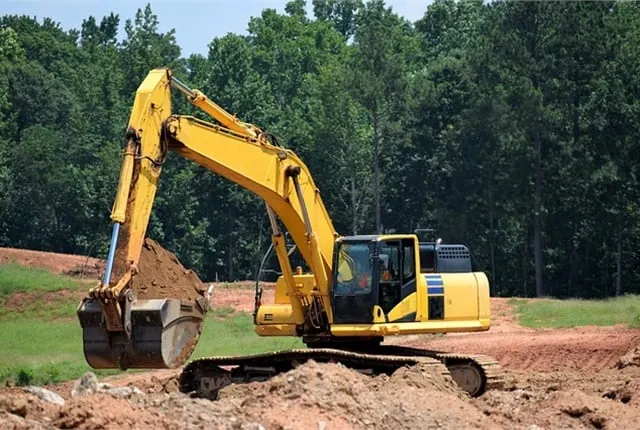
It is up to the fleet to decide how depreciation is calculated. Dennis Hogan, fleet services manager for the City of Cedar Rapids, Iowa, uses a straight-line method of depreciation. Photo via Pixabay
Equipment History Compiled for Lifecycle Analysis
Gregory Speas, fleet service director for the City of Hot Springs, Ark., said his fleet ventured into new territory three or four years ago in acquiring two boring machines. Deployed to bore paths under highways for water and sewer lines and available from a few OEMs, the machines cost nearly $250,000 each, Speas said.
“We talked to contractors in construction who have them. They are a good source of information,” he explained. Following a competitive bid, Hot Springs’ fleet operation purchased the machines. The department has compiled an operational and maintenance history of the machines, providing the foundation for cost analyses. “We are doing lifecycle costing on them now,” Speas said.
The Hot Springs city fleet runs about 100 pieces of heavy equipment, including backhoes, front-end loaders, and bulldozers. Lifecycle cost analysis is performed on all such equipment.
“We use that information to bill our services to other city departments and to contractors, who might borrow our equipment,” Speas said.
Since each manufacturer’s product differs, every piece of equipment must be analyzed individually, according to Speas. The average cost per hour is the benchmark; when a unit exceeds that average,“that’s when we start looking at it,” Speas said. Years of service and the unit’s application are additional considerations. Major work, such as a recently built engine, significantly impacts the analysis.
“You don’t want to replace that vehicle in the next year or you’ve lost all the capital you’ve put into it,” Speas noted.
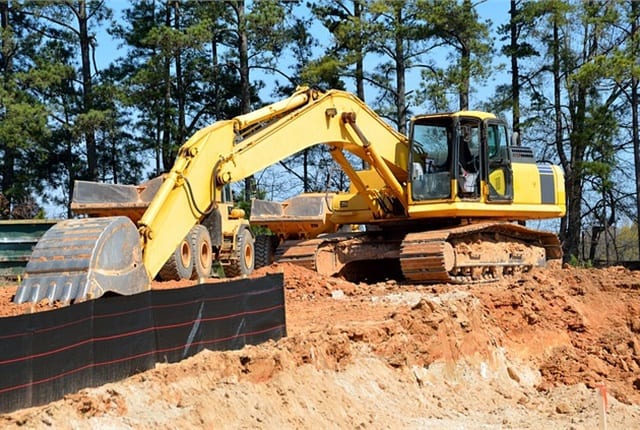
One challenge when calculating lifecycle costs is finding available data to benchmark against. One way to obtain this data is by sharing and comparing data with other fleet managers. Photo via Pixabay
Funding Issues Impact Replacement Schedule
In the City of Little Rock, Ark., "funding is our biggest issue, like most municipalities," Fleet Maintenance Manager J. Darryl Syler said. "Everything is driven by revenues and dollars for replacements. We would like to turn over our equipment just as quickly as possible," Syler said, to provide the benefit of using new equipment while under warranty, thus lowering maintenance costs.
When funding is less than optimal, however, "we have to look at which department is in need of equipment first," Syler said. That means some departments are bound to get full value of equipment over the long haul.
The 37 technicians, plus supervisors, in the Little Rock fleet "do a very good job on PMs, and the drivers and the operators want to take care of the equipment because they know it's got to last," Syler said. For example, a well-maintained 20-year-old Caterpillar dozer continues in service.
CCG Systems' FASTER fleet management software program features a 15-point checklist to support lifecycle cost analyses, Syler noted. He added that the Association of Equipment Management Professionals is exploring the availability of software cost analysis programs for construction equipment.
Information-sharing to support purchasing and lifecycle cost analyses is also a priority of the Arkansas Public Fleet Managers Association, according to the City of Hot Springs' Speas, who serves as association president. The group will hold its first conference March 19-20 in Hot Springs, Ark.
More Equipment
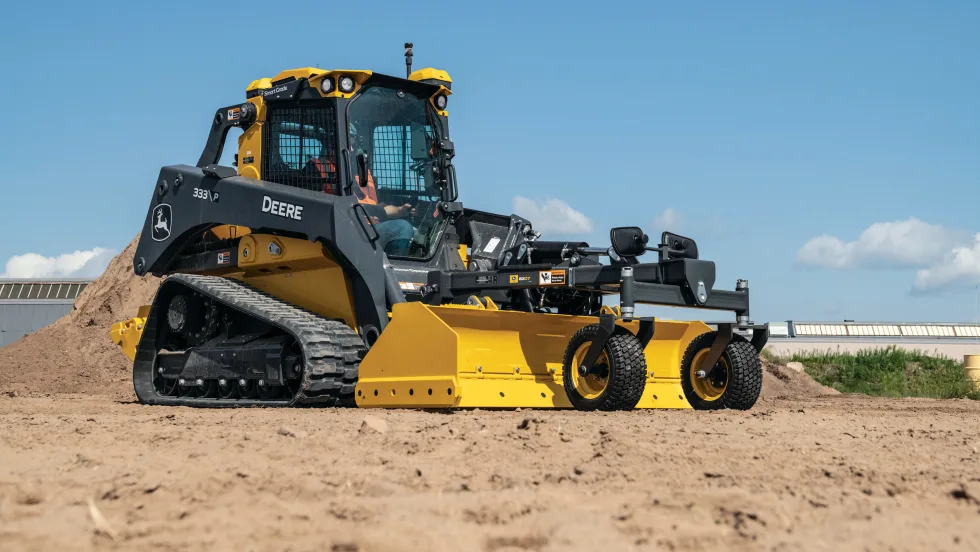
John Deere Adds SmartGrade Box Blades, Fire Suppression Option
John Deere is expanding the capabilities of its compact track loaders with new grading attachments and an equipment protection option. The additions include two SmartGrade box blades for the 333 and 335 P-Tier models and an integrated fire suppression system for large-frame machines.
Read More →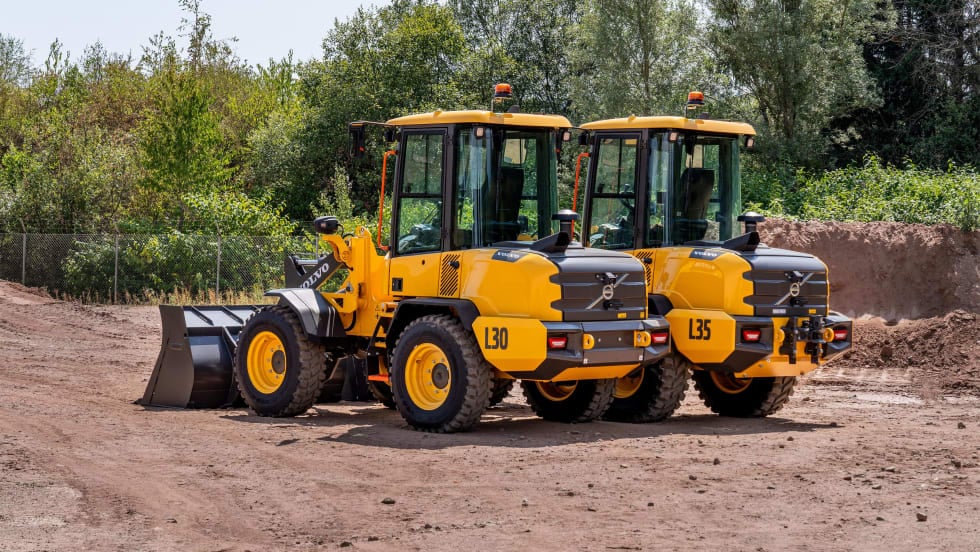
Volvo Updates L30 and L35 Compact Wheel Loaders With Redesigned Rear Frame
The updates aim to provide customers with more flexibility to use the machines for different jobs while improving service access and everyday operation.
Read More →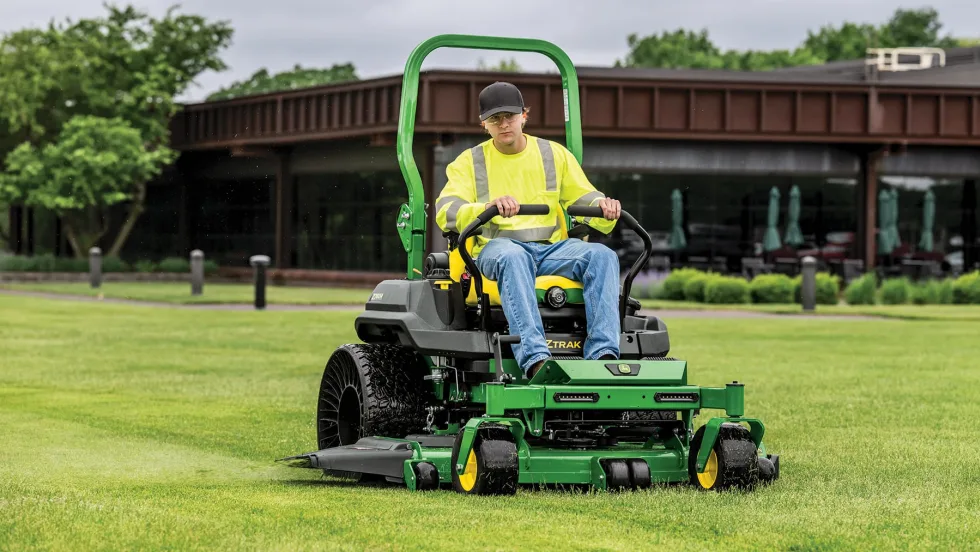
John Deere Updates Z700 ZTrak Commercial Mower Lineup
Public agencies responsible for maintaining large properties have several updated mower options from John Deere. The refreshed Z700 ZTrak lineup adds upgraded engines, transmissions, mower decks, and operator features across four models.
Read More →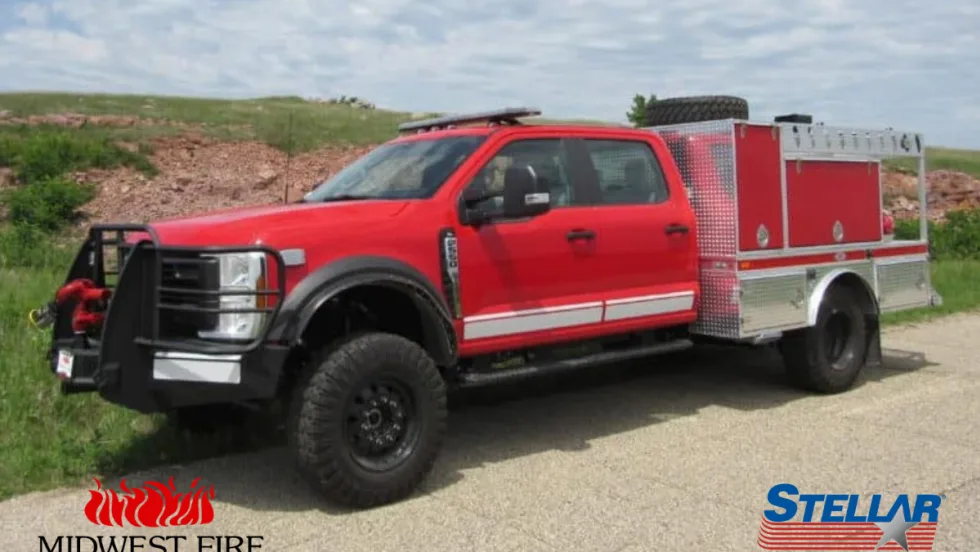
Stellar Industries Acquires Midwest Fire
The acquisition brings a manufacturer of custom fire apparatus under Stellar Industries, expanding the work-truck manufacturer into the fire and emergency response market. Midwest Fire will continue operating from its existing Minnesota headquarters as a distinct company.
Read More →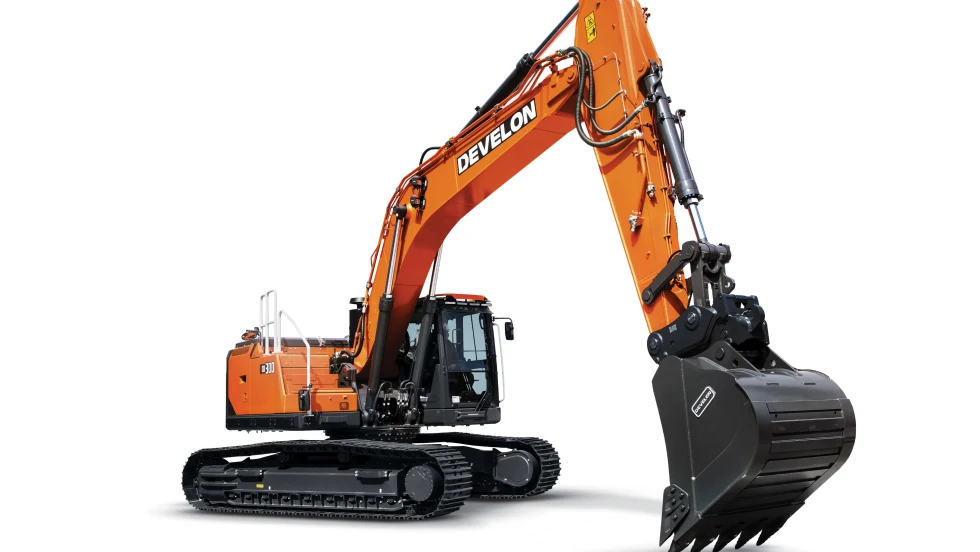
DEVELON Adds DX300LC-9 Excavator to -9 Series
For public works operations handling infrastructure, road, and utility projects, DEVELON has added a new 33-metric-ton excavator to its equipment lineup. The DX300LC-9 combines updated controls with technology designed to address operator safety, equipment monitoring, and machine operation.
Read More →
BendPak Ranger Wheel Service Equipment Receives Safety Certification
Equipment used every day in fleet maintenance shops comes with its own set of safety considerations. Following an 18-month redesign and testing process, BendPak's Ranger tire changers and wheel balancers have received certification to applicable U.S. and Canadian safety standards.
Read More →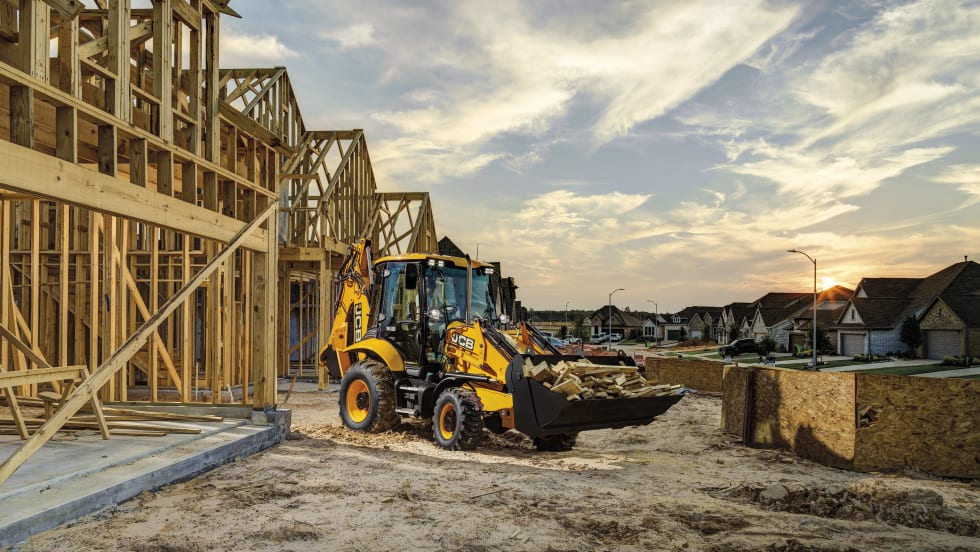
JCB Introduces Dual Drive System for Backhoe Loaders
Public works operators traditionally switch positions and controls each time they reposition a backhoe during excavation. JCB's new Dual Drive system is designed to allow operators to move the machine while remaining at the excavator controls.
Read More →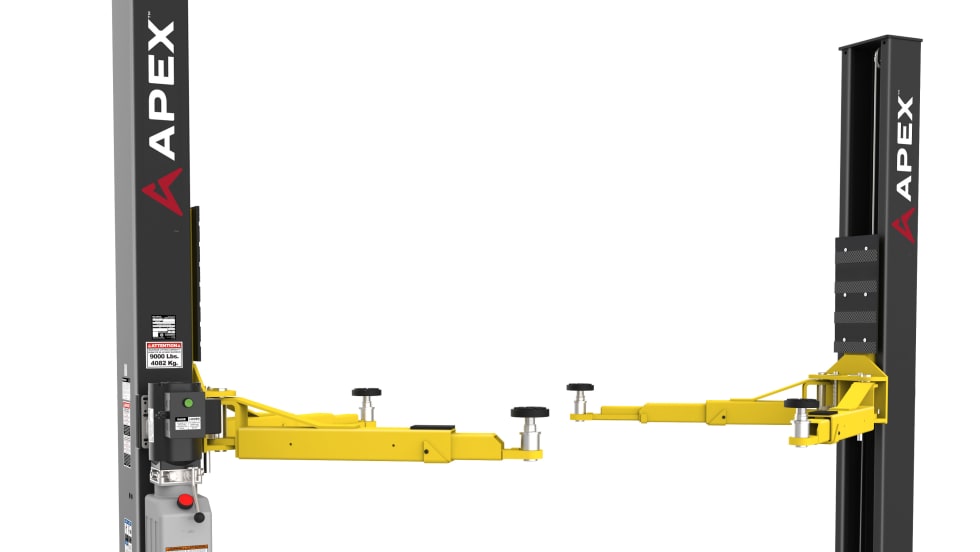
APEX by BendPak Launches AL9LC Two-Post Lift
The new low-ceiling floorplate car lift is designed to maximize overhead clearance for fleets.
Read More →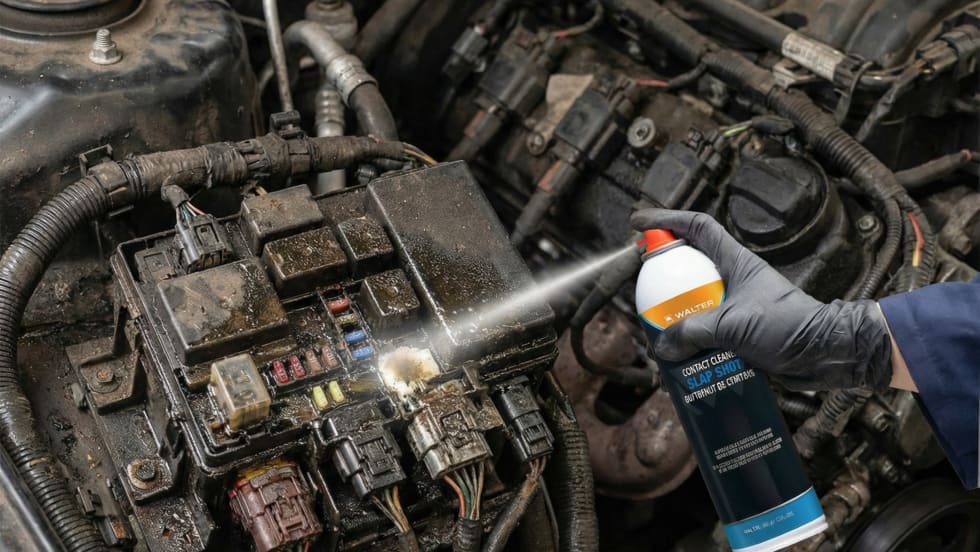
New Slap Shot Contact Cleaner: Heavy-Duty Cleaning Power Without the Residue
Slap Shot Contact Cleaner combines fast contaminant removal, rapid evaporation, moisture displacement, no-wipe cleaning, non-conductive performance, and residue-free cleaning into a single solution.
Read More →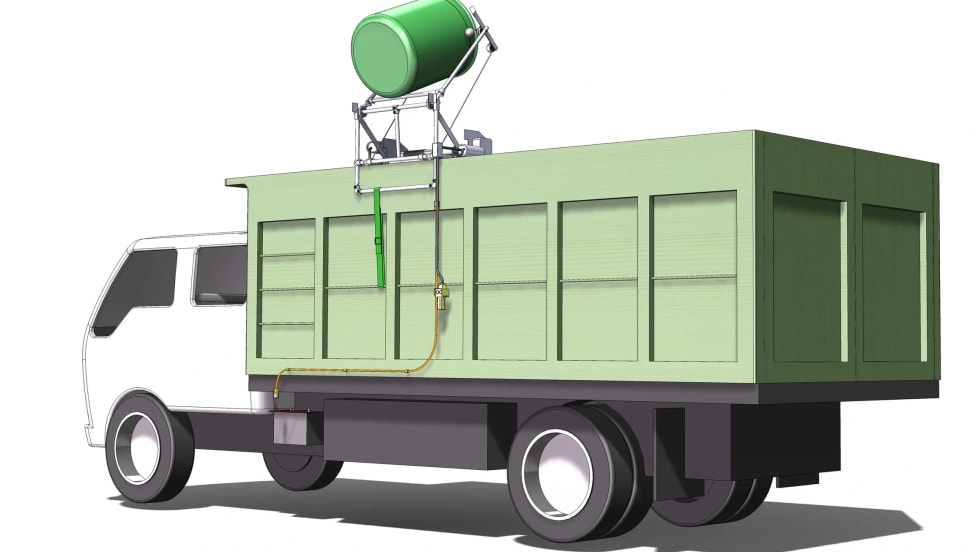
New Powered Carry Barrel Lift Helps Crews Dump Heavy Barrels Into Trucks With Less Manual Lifting
The Carry Barrel Lift is a new truck-mounted attachment designed to help landscape and municipal crews lift and dump heavy 60-gallon barrels more efficiently while reducing manual strain.
Read More →