




Highlights from GFX 2015
In early June, more than 700 fleet professionals convened at the Colorado Convention Center in Denver for the Government Fleet Expo & Conference (GFX). Find out more about the sessions and view photos here.
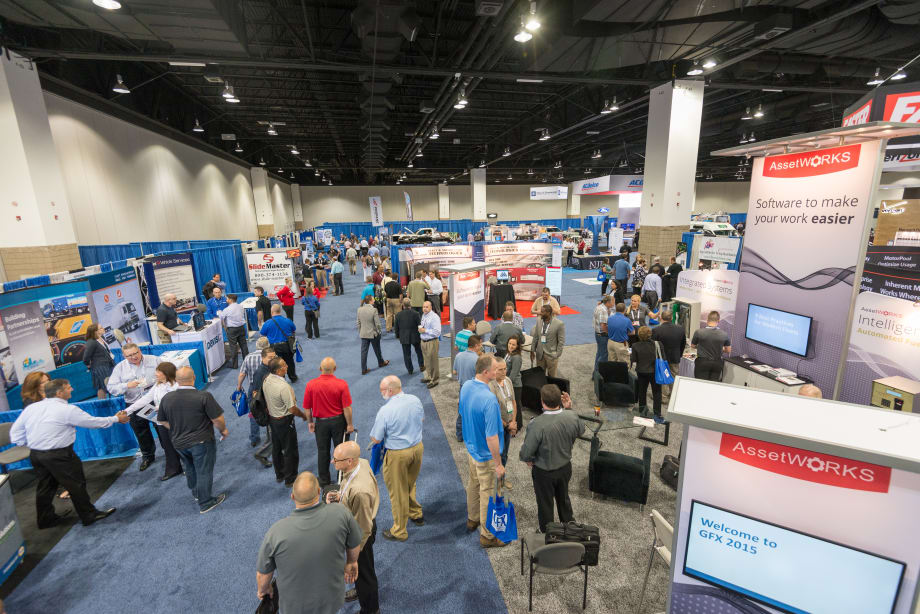
Photo by Gene Tewksbury
Photo by Gene Tewksbury
In early June, more than 700 fleet professionals convened at the Colorado Convention Center in Denver for the Government Fleet Expo & Conference (GFX). The event, which took place June 8-11, is the 8th annual conference exclusively for public sector fleet managers.
Attendees were able to choose from 14 breakout sessions during the event, led by industry leaders and with topics ranging from spec’ing vehicles to data management to redesigning the fleet.
In addition, two keynote presentations, one on decision-making and the other about procurement, and a general roundtable session about solutions for common fleet problems, gave attendees additional opportunities to learn.
The sold-out show floor featured 93 exhibitors and allowed fleet managers to connect with suppliers in one location. Numerous networking opportunities allowed attendees to connect and learn from each other.
“My first time at the GFX gave me great insight to the big picture of the business and also that we all have the same issues regardless of the size of our fleets,” said Kent Taylor, equipment superintendent and fleet services manager for El Dorado County, Calif. “A fleet of 300 units or 7,000 units, the management challenges are the same and this conference can be an eye-opener for any manager with any level of experience.”
One of the recurring topics fleet managers brought up at the conference was staff recruitment and training, with many saying they were having problems recruiting experienced technicians to fill positions. Succession planning was another big topic of discussion.
The Honors Celebration took place June 10, with many industry award winners recognized. These awards and honors include the Fleet Masters operation and Certified Fleet Management Operation certifications, Leading Fleets, Public Fleet Hall of Fame and Legendary Lifetime Achievement Award, and the Public Sector Fleet Manager of the Year.
Attendees arriving early could attend pre-conference sessions. The Denver International Airport hosted a tour of the airport and fleet facility, and afterward, the Municipal Equipment Maintenance Association (MEMA) hosted a general session detailing innovative ideas from fleet managers and that also included a panel with heavy-duty and off-road equipment manufacturers.
The next GFX will take place June 20-23, 2016, at the Music City Center in Nashville, Tenn. Click here for more information.
For photos of the event online, view the photo gallery.
To download a PDF of the print edition of this feature, click here.
More Operations

Is Keeping Older Fleet Vehicles Really Saving Money?
Is keeping vehicles longer saving money, and what happens when a diagnostic test points to the wrong fix?
Read More →
How Smart Fleet Strategy Can Help Local Government Agencies Do More with Less
Keeping a vehicle longer may ease this year’s budget, but what does it cost the next one? A closer look at fleet decisions can reveal opportunities to reduce spending while protecting essential services.
Read More →
Connect with Government Fleet on LinkedIn
From industry news and fleet management strategies to conversations with peers, Government Fleet's LinkedIn page offers public-sector fleet professionals another way to stay informed and connected.
Read More →
Town of Queen Creek Named Most Successful Fleet Award Winner of Inaugural RTA Fleet Success Awards
Five fleets were honored at RTA Connect 2026 in Chicago for excellence across resource efficiency, intentional culture, risk management, and stakeholder satisfaction.
Read More →
A buyer's guide to fleet management software in 2027
Buying fleet management software in 2027 means looking beyond features and price. As fleet operations, technology and expectations evolve, this guide explores what today’s fleet professionals should consider when choosing a system that can deliver value now and adapt to what comes next.
Read More →
Hazard Alerts, Fleet Car Sales Rise and a New Shuttle Concept
Fleet car sales doubled, but the bigger picture tells a different story in this week’s roundup.
Read More →
How St. Johns County Turned Fleet Data Into Better Replacement Decisions
St. Johns County, Florida, had fleet data, but turning it into reliable decision guidance was another matter. Instead of starting over with a new fleet management system, the county connected existing tools and built a scoring system that gives managers an objective look at fleet health.
Read More →
Fleet Forward Conference Introduces One-Day Passes for 2026
New one-day registration lets fleet professionals attend Tuesday, Wednesday, or Thursday, with passes available for $249.
Read More →
ENC Unveils its ZAVIR Medium-Duty Shuttle
Two variants of the concept shuttles were revealed: a low-floor configuration and a high-floor configuration.
Read More →
Could Your Next Fleet Technician Start as an Intern?
What if your next technician hasn’t worked in a fleet shop yet? What fleets are doing to free up time.
Read More →